1. Home
  2. Phones
  3. Mobile
  4. Web
  5. News

Skype now supports 911 calls in the U.S.

Add as a preferred source on Google

Skype has updated its mobile and desktop apps to allow emergency calling in the U.S. for the first time in its 18-year history. Calls to 911 are also possible via Skype’s web-based service, notes for the recently released Skype 8.80 showed.

Emergency calling from Skype could come in handy if you find yourself in a tricky situation without a phone but have a computer close by, or if phone lines are down but you can get online.

Recommended Videos

An important part of the 911 feature is the ability to let emergency operators know your precise location so that first responders can easily find you. This will be useful in situations where you don’t know your precise position or if it’s simply easier to send automatically generated location data rather than trying to explain where you are — something that’s not always easy to do in a high-stress situation.

Take note, though, 911 emergency location sharing is turned off by default in a nod to privacy. To enable it, jump into Skype, select your profile picture, then Settings, and then Privacy. Finally, turn on 911 emergency location sharing. If you have any problems setting it up, you may need to allow location sharing from the settings menu on your device.

Skype points out that you’ll also have to acknowledge messages for “Notices & Disclosures” and “Special 911 Warning of Limitations & Unavailability” to complete the process of setting up the emergency location sharing feature.

Skype has been gradually increasing the number of countries where you can use the service to make emergency calls. You can see the full list here.

Skype’s latest update also increases the maximum length of voice messages from two minutes to five, and lets you zoom in during a screen share to get a better look at text or something else that you need to see more clearly.

For everything you need to know about how to use Skype, Digital Trends has you covered.

Trevor Mogg
Contributing Editor
Not so many moons ago, Trevor moved from one tea-loving island nation that drives on the left (Britain) to another (Japan)…
Xiaomi beats Samsung to become the first non-Pixel phone with stable Android 17
The stable Android 17 rollout begins with Xiaomi's latest flagship, putting it ahead of Samsung and other rivals.
Xiaomi 17 Ultra

Android 17 rolled out to Pixel phones last month, and if you were hoping your non-Pixel Android phone would catch up anytime soon, you might have to wait. Samsung is still running the One UI 9 in Public beta, and most other manufacturers haven't even announced when their skins will get the Android 17 treatment. 

So it's a genuine surprise that Xiaomi, of all companies, just jumped the queue. Xiaomi has started rolling out HyperOS 3 updates based on stable Android 17, and it's currently limited to the Xiaomi 17 series.

Read more
Your child can now get a free Spotify account with parental controls
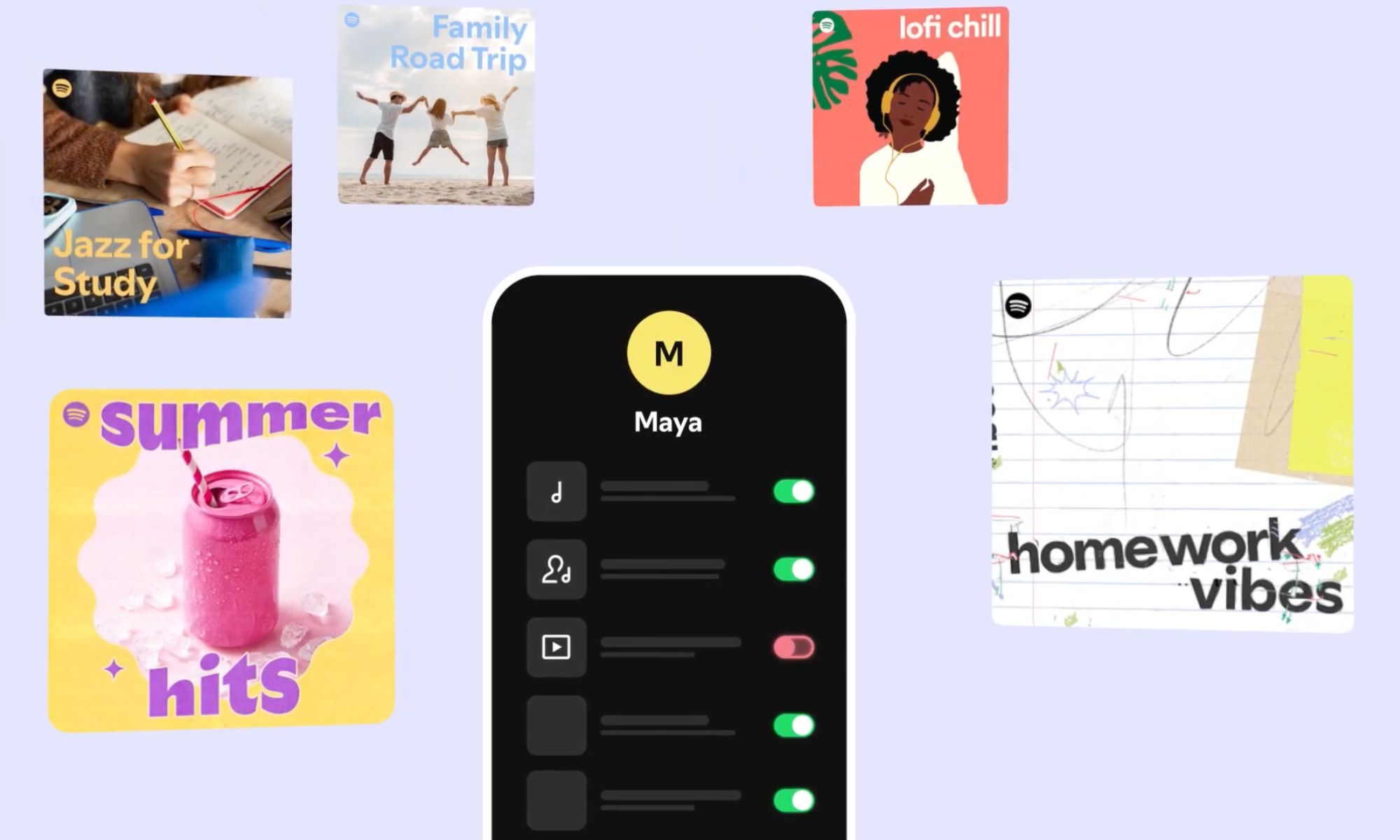
Kids get personalized playlists and Wrapped summaries with Spotify's new free managed accounts.
spotify-kids-free-account

Parents no longer need to pay for a premium plan to give their kids a safe Spotify account. The company announced it is expanding free managed accounts to every subscription tier, starting immediately in the US, UK, Australia, France, Germany, and the Netherlands. Combined with earlier rollouts, managed accounts are now live in 16 countries total. Spotify says more countries are coming soon.

What can kids do with a managed account?

Read more
China approves Apple Intelligence for iPhones, with Alibaba, Baidu emerging as partners
Apple Intelligence finally gets a passport to China
A promo picture of Apple Intelligence.

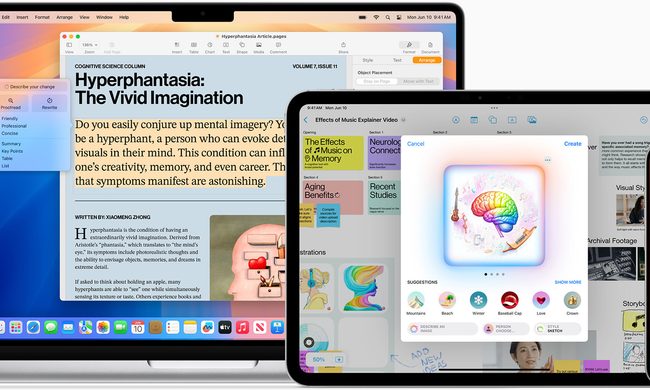
Apple Intelligence has finally found a way through China’s regulatory maze--and all it took was nearly two years after it brought the AI suite to iPhone users elsewhere. China’s Cyberspace Administration has registered Apple Intelligence for use on iPhones in the country, clearing the main regulatory hurdle preventing its release. The approval creates a path for Apple to deploy its generative AI tools on Chinese devices. Now, the only wait is for regulators and Apple to provide a launch date.

Alibaba and Baidu are the new AI partners

Read more