As increasing the sustainability of our modern lifestyles becomes an ever more significant concern, it’s important that we recognize those who make an effort to reduce the impact of humans on our planet. That’s why it’s great to see that the U.S. Environmental Protection Agency (EPA) has given Samsung Electronics two awards in recognition of the company’s accomplishments as a sustainability leader and innovator.
Gold Tier Award
For the eighth year in a row, Samsung won the Gold Tier Award, which is the EPA’s highest award for recycling of e-waste collection. This centers around the fact that Samsung currently collects and recycles roughly 100 million pounds of e-waste every year. Since 2008, it has recycled more than a billion pounds of electronics. This major recycling effort prevents a significant quantity of emissions that would otherwise be produced.
It’s also worth noting that, in addition to reduced emissions, utilizing recycled e-waste moderates the environmental harm that results from extracting raw materials from the natural environment. Furthermore, it keeps electronics out of landfills and slows the expansion of such trash repositories.
Samsung has adopted the goal of incorporating 500,000 tons of recycled plastics into its products globally by 2030.
EPA Sustained Excellence Award
This new EPA award recognizes Samsung’s long record of innovations in increasing the sustainability of its products. An example of such innovation is the recently announced Solar Cell Remote, which is made of 24% recycled plastics, and which doesn’t need any AA batteries and is instead powered by radio frequencies, like those produced by Wi-Fi routers. Samsung says this tech will be incorporated into more of its products, such as TVs and home appliances, going forward, with the goal of eliminating more than 200 million batteries from landfills.
Further accomplishments in sustainability made by Samsung include the reduction of more than 301 million metric tons of Co2 emissions via energy efficiency improvements, and the fact that all of Samsung’s facilities in the U.S. run entirely on renewable electricity.
A sustainable unboxing experience

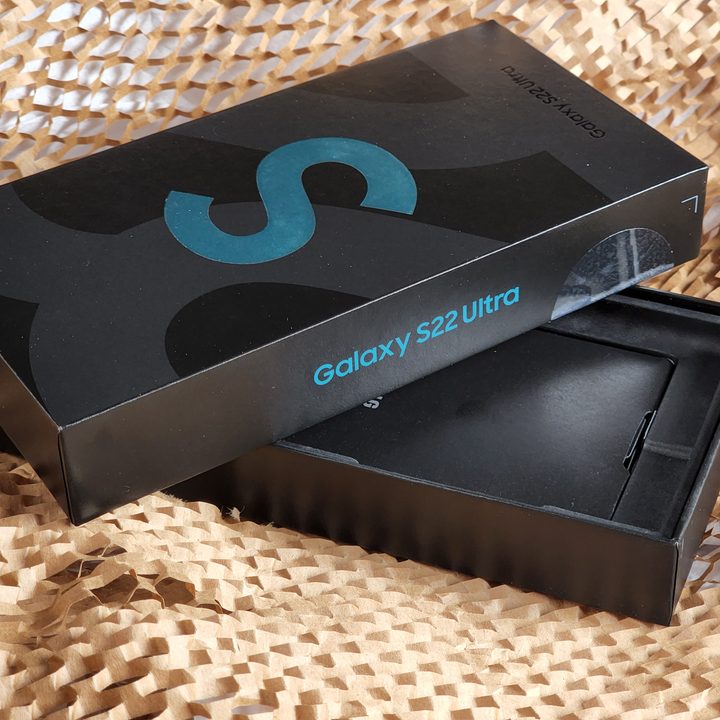
Just yesterday, I pulled my new Samsung Galaxy S22 Ultra out of its box, which gave me a timely look at this company’s innovative methods of reducing waste and recycling materials. I was impressed with the paper-based cushioning in the shipping package that protected the phone wrapped within. Not only is this far less environmentally harmful than styrofoam or plastic cushioning, but I also prefer such packaging in the unboxing experience from an aesthetic perspective.
The smaller box containing the S22 Ultra itself is composed of recycled (and recyclable) cardboard, as are the package containing the manual and USB cable and the sleeve holding the USB cable in place. Graphics on the box were printed with soy-based ink. The only plastic I could find on the packaging is the tape holding the box closed. Inside the device itself, a large portion of the materials used are recycled, including plastics sourced from discarded fishing nets.
A tantalizing glimpse of a battery-free future
It will be particularly interesting to see how far Samsung’s radio frequency power tech will go. Reducing or eliminating the need for batteries in our devices is not only of extreme environmental importance, but would also enable our devices to be lighter, cheaper, longer-lasting, and more convenient. People have dreamed of wireless power since the days of Nikola Tesla, and now we are beginning to see that future gradually materialize.
Conclusion
While some new, unrecycled materials do go into the production of these Samsung’s devices, and there are other tricky sustainability challenges to tackle, it is clear that this company has exceeded its competition when it comes to innovative ways to reduce its environmental footprint.
I’m not easy to impress when it comes to claims of sustainability and eco-friendliness, but after looking into Samsung’s accomplishments in this regard, including hands-on experience with their most recent mobile offerings, I can’t help but admire the lengths to which it has gone. Both the EPA’s Gold Tier and the Sustained Excellence Award are fitting recognition of the progress Samsung has made.