1. Home
  2. Mobile
  3. Legacy Archives

AT&T cuts $10 text messaging plan, forcing users to buy $20 unlimited plan

Add as a preferred source on Google
att-simpsons-homer-strangling-bart
Image used with permission by copyright holder

It’s happening again. Mobile phone bills are going up. AT&T has confirmed to Engadget, that a leaked document outlining the elimination of AT&T’s $10 “Messaging 1000” texting plan, is true. The wireless carrier is eliminating the $10 plan and will force all new subscribers into a $20 “Messaging Unlimited” plan. The Messaging 1000 plan is still available on the AT&T site at this time, but will be removed on August 21. Those who currently use the $10 Messaging 1000 plan will not be forced to change their plan at this time.

“We regularly evaluate our offers and are making some adjustments to our messaging lineup,” AT&T explained. “Starting August 21, we’re streamlining our text messaging plans for new customers and will offer an unlimited plan for individuals for $20 per month and an unlimited plan for families of up to five lines for $30 per month. The vast majority of our messaging customers prefer unlimited plans and with text messaging growth stronger than ever, that number continues to climb among new customers. Existing customers don’t have to change any messaging plan they have today, even when changing handsets.”

Recommended Videos

We can think of no good reason for this hike, except to enhance profits. Though carriers routinely charge at least 20 cents per text, texting actually costs carriers next to nothing. In reality, sending a text is equivalent to sending a few bytes through the air. If carriers like AT&T wanted to be fair to customers, they would wrap this service right into their data plans, which have also been rising in priceas of late. 

This price hike takes AT&T cell phone bill prices to a new high. Those who use smartphones will continue to take a hit. Now the minimum monthly texting plan is $20, the minimum talk plan is $40, and the minimal usable data plan is $25 for 2GB (we don’t consider the 200MB for $15 plan an acceptable amount of data for anyone actually using their smartphone). Add that up and you have $85 as a base fee, plus about $5 in connection charges, meaning most new users are going to have to pay $90 per month, and up for smartphone service. If you use more than 450 anytime minutes, prepare to pay a lot more, as an unlimited talk plan is $70 per month. 

Minimum monthly AT&T smartphone costs:

  • $40 – 450 minute talk plan
  • $20 – Unlimited texting
  • $15 – 200MB data plan ($25 for 2GB, which is what we recommend)
  • $5 – connection charges (rough estimate, varies)
  • Total: $80 ($90 if you get an actual data plan)
Unfortunately, AT&T isn’t alone in its price hikes. While Verizon remains kinder on texting plans, offering a $5 for 250 texts and $10 for 500 texts plan, it is charging users more for data as of late. Since it moved to tiered data plans in July Verizon now charges $30 for 2GB of data, at minimum. Previously, it was selling “unlimited” data plans at that price. Sprint and T-Mobile currently offer the best all around prices on plans. 
Jeffrey Van Camp
As DT's Deputy Editor, Jeff helps oversee editorial operations at Digital Trends. Previously, he ran the site's…
The best note-taking apps for iOS and Android
I tested these apps for months so your notes never have to switch homes again.
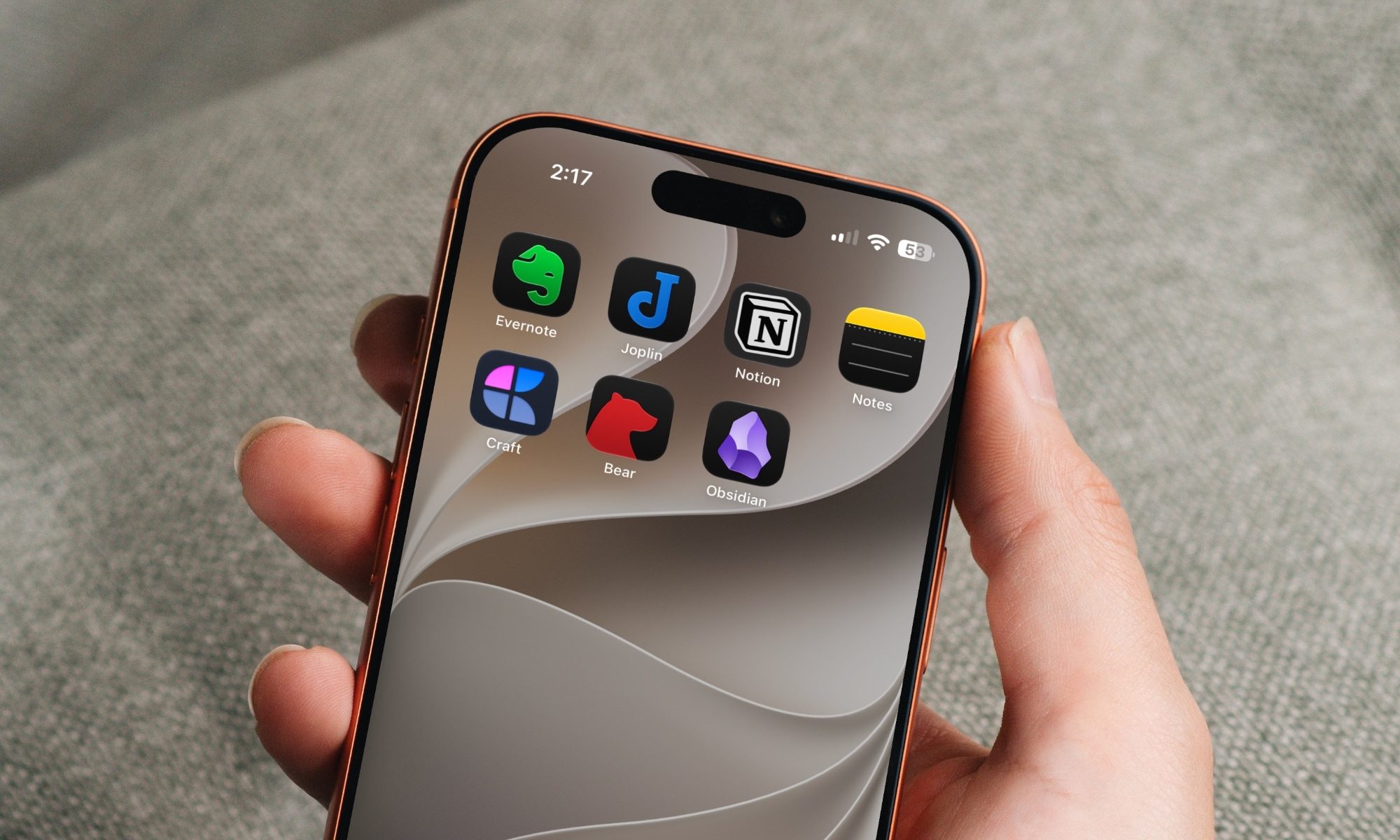
iPhone showing note-taking apps

Choosing a note-taking app is not easy. What note-taking app you choose depends on your needs, the platform you use, and of course, the cost. The process becomes even more complicated as it seems that there’s a new shiny app released every other week. 

That’s why I always suggest choosing a note-taking app that has all the features you need and can last you for a long time. Also, don’t chase new apps. The real power of a note-taking app comes when all your notes live in one place, making it easy to spot connections between them.

Read more
The best phones in 2026: our 14 favorite smartphones right now
We tested phones across all price brackets so that you can make the best pick based on your needs and budget.
Google Pixel 10 Pro Fold vs Galaxy Z Fold 7 cameras

Choosing the right smartphone in 2026 is no easy task. Apple and Android manufacturers now have strong options at almost every price, while better cameras, longer battery life, improved software support, new AI features, and more refined foldable designs have made the market more competitive than ever. But picking one is not easy, especially if your budget is tight, or you are just legitimately concerned about getting the best value for your money and need a reliable daily driver for long-term usage.

We have tested and compared the leading smartphones available today, looking beyond the spec sheet to see how they actually perform in daily use. Camera quality, battery life, performance, display quality, software, design, and long-term value all play a part in our recommendations. Whether you are looking for a powerful flagship, a dependable budget phone, a compact device, or a foldable, this guide should help narrow down your choices.

Read more
Snapchat Planets Meaning: Order, Rankings, and How Friend Solar System Works
Snapchat Planets turns your best friends list into a solar system, and yes, your orbit says a lot
Snapchat Planets being shown on the Snapchat app on iPhone.

Snapchat+ includes several exclusive features, but few have generated as much curiosity as Snapchat Planets. Part of the app's Friend Solar System, it transforms your Best Friends list into a planetary ranking, assigning each of your top eight friends a planet based on how often you interact.

From Mercury, which represents your closest friend, to Neptune, which represents your eighth closest, the system offers a quick visual snapshot of your interactions. But what do the different planets actually mean, and how does Snapchat decide who gets which one?

Read more