[Update: HP has confirmed it will manufacture and offer a limited number of additional TouchPads, although it does not yet know how many will be available, if there will be enough for everyone, or the tablets’ price points.]
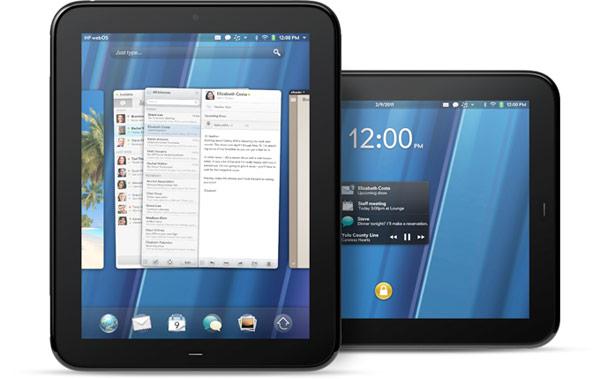
Hewlett-Packard’s TouchPad tablet has led a turbulent life: years in development and widely viewed as a potential serious competitor to the iPad, HP cancelled the product (and all webOS development) after only a few weeks on the market and chopped its price to a shelf-clearing $99. And the radical price cut may have been the best thing to happen to the TouchPad, as tech enthusiasts snapped it up off store shelves. The TouchPad is now very hard to find, but there may be hope on the horizon: HP may—just may—make more TouchPads available.
In a post to its The Next Bench blog, HP says it will release more information “in the next few days” about whether more TouchPads will be made available to U.S. consumers, along with other details. At $99, HP is absolutely taking a loss on each unit sold, but it’s less of a loss than if the company had stuck with the original $499 price tag (then $449, then $399) price tag and been forced to take huge amounts of unsold inventory back from retailers.
The sudden popularity of the discontinued TouchPad has led to some price-gouging, as some customers purchased large numbers of discounted TouchPads only to offer them for sale on eBay, Craigslist, and other services at higher prices. HP says that if more TouchPads are offered for sale, it will institute an order limit. HP set up a notification service to let interested customers know if more stock became available, but apparently disabled the service due to overwhelming demand.
Customers who placed on online order for a TouchPad may not necessarily receive one, although HP says they should receive an email confirmation soon confirming the order or informing them the TouchPads are out of stock and the order can’t be filled.
HP says individual retailers are responsible for deciding whether to match HP’s $99 pricing on the TouchPad, or whether they will match prices offered by other retailers, so it’s possible some sellers are still offering TouchPads at previous prices. HP recommends checking with retailers about their pricing polices; also, people who paid full price for a TouchPad should contact their retailers about any refund or rebate.
And remember: TouchPads purchased for $99 or $149 are not eligible for return.
The popularity of the HP TouchPad’s discontinued price of $99 has ignited speculation in the tech community about whether the TouchPad could truly have been a serious challenge to the iPad. Some wonder of it still might challenge the iPad, perhaps with HP reversing its position on canceling webOS and selling tablets on a model similar to video game consoles, where console makers take a loss on initial sales in order to seed an ecosystem, then reap profits on the long tail. However, HP seems committed to transforming itself from a consumer PC and products company into an enterprise services outfit—where CEO Leo Apotheker’s primary experience lies—and the lifespan of mobile devices—even the iPhone 4—isn’t long enough that HP would be able to realize an eventual profit on hardware sales at such low prices. And amongst tablets, hardware is where the profit is: sure, Apple makes money selling music, apps, and video, but it’s real revenue generation is in sales of physical devices.