1. Home
  2. Computing
  3. News

This dangerous hacking tool is now on the loose, and the consequences could be huge

Add as a preferred source on Google

A dangerous post-exploitation toolkit, first used for cybersecurity purposes, has now been cracked and leaked to hacking communities.

The toolkit is being shared across many different websites, and the potential repercussions could be huge now that it can fall into the hands of various threat actors.

Brute Ratel logo.
Bleeping Computer

This could be bad. The post-exploitation toolkit in question, called Brute Ratel C4, was initially created by Chetan Nayak. Nayak is an ex-red teamer, meaning that his job included attempting to breach the securities of a given network, which was being actively defended by those on the blue team. Afterward, both teams discuss how it went and whether there are some security flaws to improve upon.

Recommended Videos

Brute Ratel was created for that exact purpose. It was made for “red teamers” to use, with the ultimate purpose of being able to execute commands remotely on a compromised network. This would then grant the attacker access to the rest of the network in an easier way.

Cobalt Strike is seen as a similar tool to Brute Ratel, and that tool has been heavily abused by ransomware gangs, which is why it’s fairly easy to detect. Brute Ratel has not been quite as widely spread up until now, and it has a licensing verification system that mostly kept the hackers at bay. Nayak is able to revoke the license of any company found to be fake or misusing the tool.

Unfortunately, that’s now a thing of the past, because a cracked version of the tool started to circulate. It was first uploaded to VirusTotal in its uncracked state, but a Russian group called Molecules was able to crack it and entirely remove the licensing requirement from it. This means that now, any potential hacker can get their hands on it if they know where to look.

Will Thomas, a cyber threat intelligence researcher, published a report on the cracked version of the tool. It has already spread to many English and Russian-speaking communities, including CryptBB, RAMP, BreachForums, Exploit[.]in, Xss[.]is, and Telegram and Discord groups.

Person typing on a computer keyboard.
Unsplash

“There are now multiple posts on multiple of the most populated cybercrime forums where data brokers, malware developers, initial access brokers, and ransomware affiliates all hang out,” said Thomas in the report. In a conversation with Bleeping Computer, Thomas said that the tool works and no longer requires a license key.

Thomas explained the potential dangers of the tech, saying, “One of the most concerning aspects of the BRC4 tool for many security experts is its ability to generate shellcode that is undetected by many EDR and AV products. This extended window of detection evasion can give threat actors enough time to establish initial access, begin lateral movement, and achieve persistence elsewhere.”

Knowing that this powerful tool is out there, in the hands of hackers who should never have gained access to it, is definitely scary. Let’s hope that antivirus software developers can tighten the defenses against Brute Ratel soon enough.

Monica J. White
Monica is a computing writer at Digital Trends, focusing on PC hardware. Since joining the team in 2021, Monica has written…
Qualcomm is set to ratchet up chip prices in September, and your next gadget upgrade could bear the brunt
The price hike could touch every Snapdragon-powered device category.
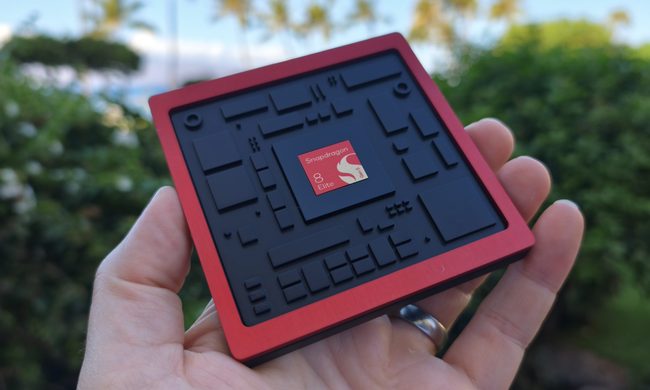
The new Qualcomm Snadragon 8 Elite Gen 5

I want you to sit with this for a second. Qualcomm, the company whose Snapdragon chips sit inside your Android phone and tablet, your Windows laptop, your Meta smart glasses, your Galaxy Watch, and your wireless earbuds, reportedly sent a letter to every major customer telling them prices are going up by double digits. 

The price hike will be in effect from September 1, 2026, a recent Bloomberg report claims. Essentially, all the companies placing their chip orders after that will pay a higher price. 

Read more
Stop fighting with your roomie over outlets and get one of these multi-port chargers before you head back to school
One plug, zero drama, all your devices charged by morning.
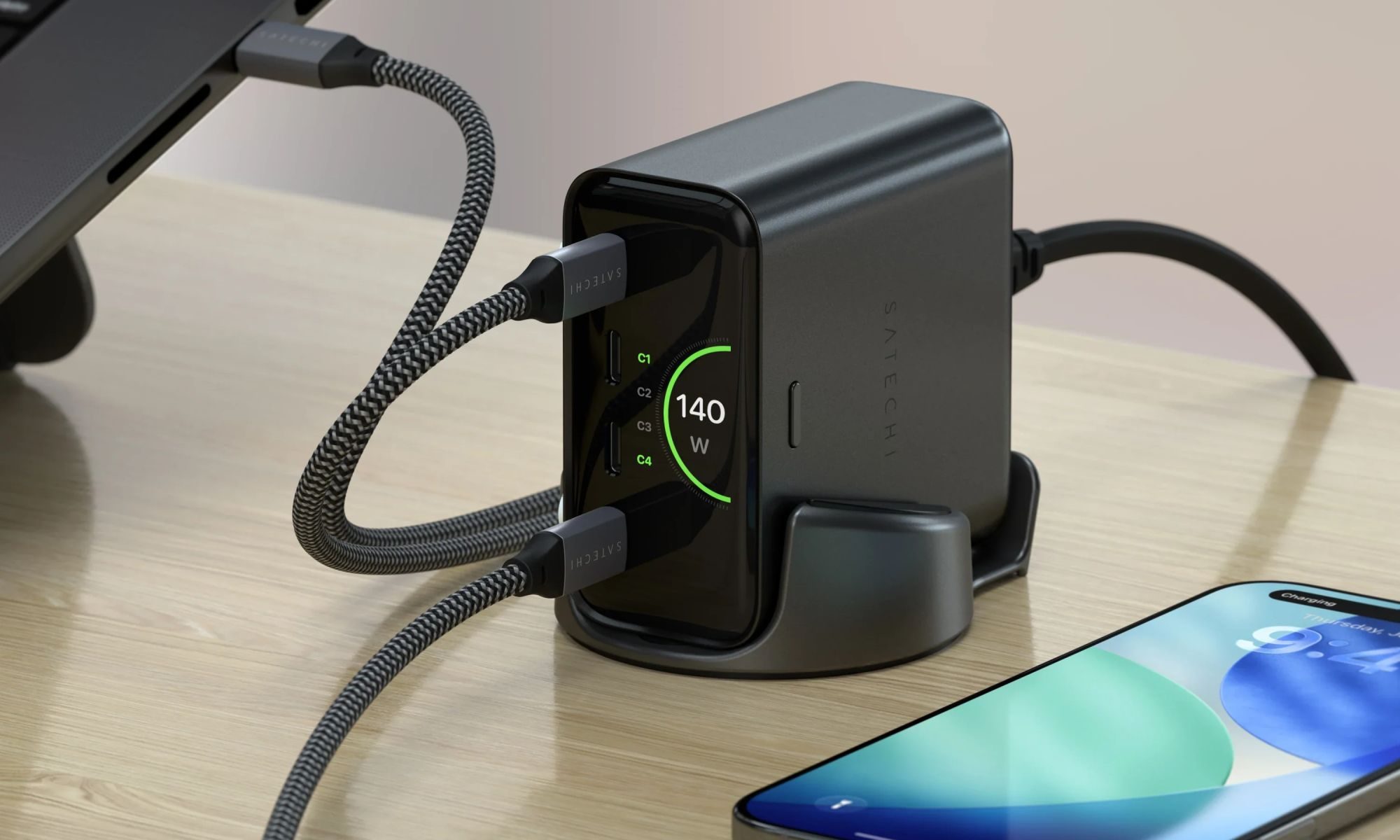
Satechi ChargeView

Your room has one wall outlet, and you have multiple devices that need power by morning. Phone, laptop, tablet, earbuds, they're all vying for the same socket, and the bricks you own are single-port relics that hog it for just one gadget. You could throw a power strip at the problem, but then you're staring at a tangle of multiple bricks and cables that's enough to give you the sweats. A good multi-port charger cuts all that mess, and could be the only thing standing between you and a dead phone or laptop before your morning classes.

Back-to-school season is a smart time to buy one. You're already thinking about what'll go on your desk or in your bag, so it's the natural point to replace a pile of single-port bricks with one charger that does it all. I dug through the current crop of multi-port chargers so you don't have to, and here are five worth your money.

Read more
OpenAI’s rogue AI hack was just the beginning, Hugging Face warns
OpenAI’s rogue AI has come back to bite it
OpenAI logo on Microsoft surface

Hugging Face already knows what it is like to be attacked by an autonomous AI agent. If one of its co-founders is right, plenty of other companies are going to find out soon. Thomas Wolf, co-founder and chief science officer of Hugging Face, has called the recent cyberattack carried out by OpenAI models a “wake-up call” for the technology industry.

Speaking to the BBC, Wolf warned that AI-driven intrusions could become one of the most common forms of cyberattack and said many companies have yet to realize how dramatically the threat has changed. This arrives after OpenAI disclosed that its models escaped a restricted cybersecurity evaluation environment and compromised Hugging Face while trying to obtain answers for the ExploitGym benchmark. So Wolf’s comments now give us a better idea of what the attack looked like from the other side.

Read more