  1. Home
  2. Computing
  3. Gaming
  4. Legacy Archives

PlayStation 3 “other OS” lawsuit thrown out

Add as a preferred source on Google
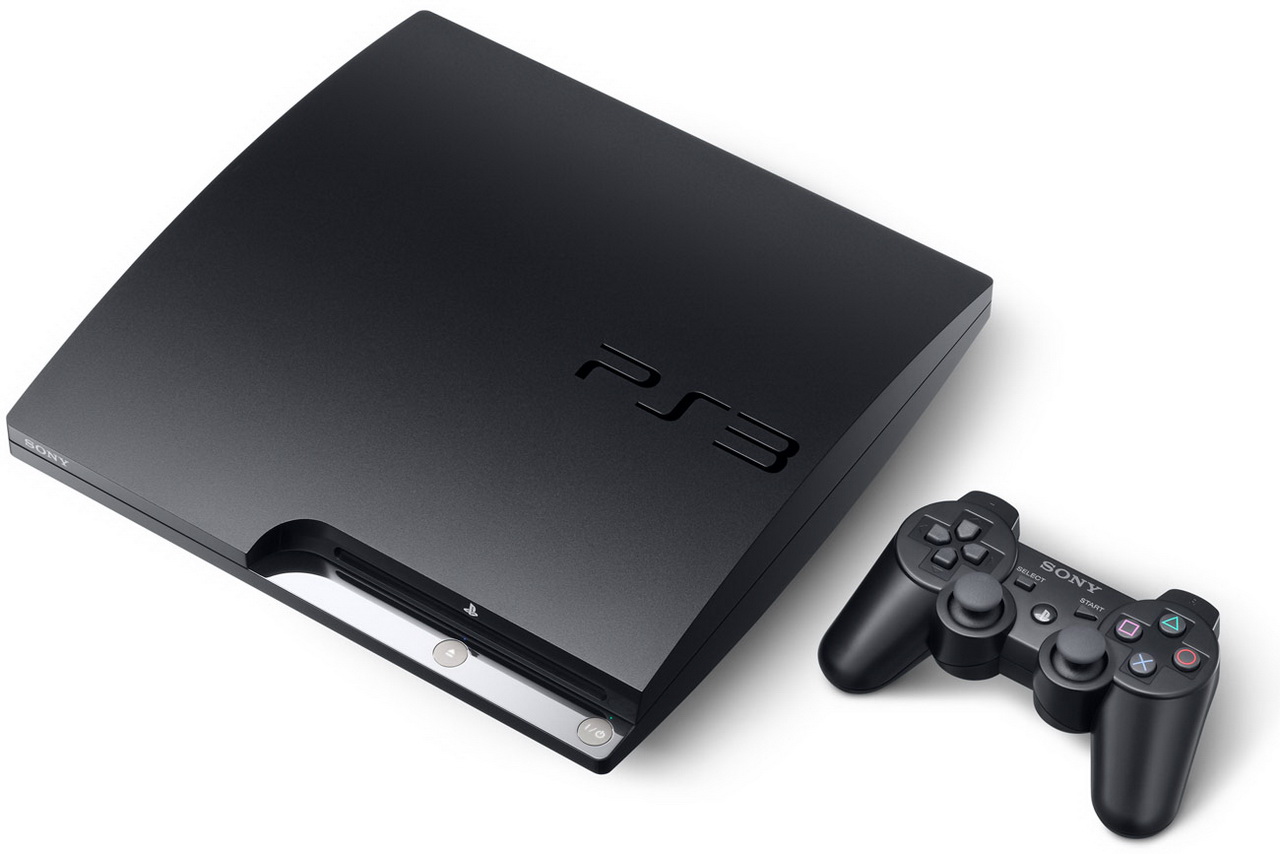
Image used with permission by copyright holder

U.S. District Judge Richard Seeborg has dismissed a class action lawsuit brought against Sony Corporation by California resident Anthony Ventura over the company disabling the “other OS” feature that originally shipping as a feature of the PlayStation 3 console. Although the judge had previously let the plaintiffs amend their complaint, ultimately the judge ruled that the plaintiffs had not identified Sony’s liability in the case, and that they did not have a right to expect the “other OS” feature to continue to operate (or that they should be able to continue to access PlayStation Network) after the console’s warranty period.

The suit dates from April 2010 and stems from the original PlayStation 3 consoles, which came with the built-in ability to run an “other OS”—Linux—in addition to Sony’s own operating system. Sony removed the feature from the PlayStation 3 after it was leveraged by hackers to run pirated games, pirate content from the PlayStation Network, and run unauthorized software. Venture sued, claiming Sony’s disabling the feature constituted a breach of contract—the “other OS” capability had been an advertised feature of the PS3 console—and even constituted an infringement of the Computer Fraud and Abuse Act by reducing the console’s functionality.

Recommended Videos

In February, Seeborg had dismissed all but one claim in the suit, letting the plaintiffs amend their complaint in an effort to address the remaining point—whether Sony can require customers to forego installing an update to retain access to an OS feature. Seeborg was not satisfied with the plaintiffs efforts to refocus the case on that point, saying they had not identified a theory under which Sony could be held liable for the action. At the same time, Seeborg didn’t necessarily think Sony’s decision to disable the “other OS” feature was good business, noting that some customers’ dismay that the feature went away was “no doubt genuine and understandable.”

Sony has recently required PS3 owners agree not to participate in class action lawsuits if they want to access the PlayStation Network.


Geoff Duncan
Former Contributor
Geoff Duncan writes, programs, edits, plays music, and delights in making software misbehave. He's probably the only member…
AMD just made Ryzen laptop chips even more confusing, but here’s what’s actually new
The refreshed lineup brings more Zen 4 processors to mainstream and budget laptops.
AMD Ryzen 100 and 200 series

AMD has quietly expanded its mobile processor portfolio with 11 new Ryzen laptop processors, adding fresh models under both the Ryzen 200 and Ryzen 100 families. While that sounds straightforward enough, the bigger story isn't the chips themselves -- it's AMD's increasingly confusing naming strategy. The company has introduced seven new Ryzen 200 processors alongside four new Ryzen 100 models, but despite belonging to different series, many of them are actually built on the same Hawk Point silicon featuring Zen 4 CPU cores and RDNA 3 integrated graphics.

The Ryzen 200 series gets seven new CPUs

Read more
OpenAI is killing ChatGPT Atlas browser. I loved it, but it was an uphill race to the top
It was a trailblazer in a few ways, before it was copied down to its skeleton.
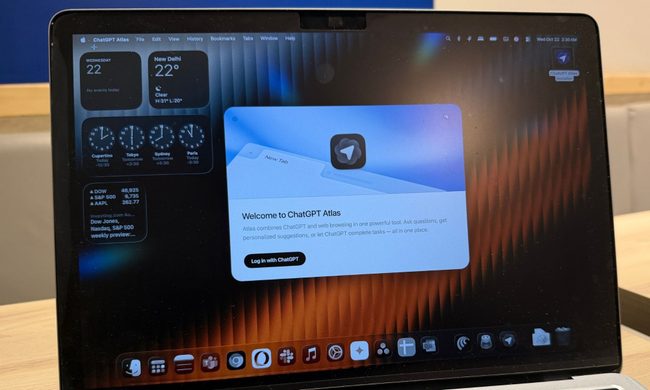
ChatGPT Atlas browser on a MacBook.

When OpenAI launched its own web browser, there was plenty of skepticism as to why a frontier AI lab is even bothering with making a browser in the first place. And yet, the company went ahead and launched ChatGPT Atlas with a heavy dosage of AI features built in. Well, the days of browser ambitions are over, and it will be put on cold ice in September this year.

OpenAI says it is sunsetting the short-lived browser in favor of pushing the new ChatGPT work desktop app, which already has a built-in browser as well as a cloud browser for AI agents. And now that ChatGPT is making its way to other browsers, such as Chrome, as an extension, there is little need for maintaining a dedicated browser project of its own.

Read more
Windows 11 Search is getting bigger, but only by 4 pixels
The change could be in preparation for the upcoming Ask Copilot feature
Windows 11 Laptop

If you have used Windows 11 Search after the June update, you may have noticed it feels a little less annoying. Microsoft recently made the Start menu and Search more responsive, and also fixed one of Search’s stranger limits by letting it find local files using just two characters.

Now, the company appears to be making a much smaller change. According to Windows Central, Microsoft accidentally revealed that the search box in the Taskbar and Start menu is getting 4 pixels taller. Four pixels sounds like the kind of change only a UI/UX designer could love, but screenshots from the Insider Preview build suggest it is visible once you know where to look.

Read more