1. Home
  2. Computing
  3. News

Digital Trends may earn a commission when you buy through links on our site. Why trust us?

This critical exploit could let hackers bypass your Mac’s defenses

Add as a preferred source on Google

Microsoft has discovered a critical exploit in macOS that could grant hackers easy access to your Mac’s most important data. Dubbed ‘Migraine,’ it shows why it’s vital to update your Mac as soon as possible.

Migraine is so damaging because it can bypass Apple’s System Integrity Protection, or SIP for short. SIP is enabled by default on modern Macs and works by sandboxing sensitive parts of the computer from outside meddling. Only processes that are signed by Apple (or those with special privileges, like Apple installers) are allowed to alter something guarded by SIP.

A hacker typing on an Apple MacBook laptop while holding a phone. Both devices show code on their screens.
Sora Shimazaki / Pexels

If a piece of malware can simply sneak past SIP, though, it can do untold damage — and that’s just what Migraine is capable of.

Recommended Videos

Ordinarily, the only way to disable SIP is to restart your Mac in Recovery mode, enter a specific command into the Terminal, then restart again. That means you need to be present in front of the computer in question, which on the surface should make exploits like Migraine untenable.

However, Migraine doesn’t actually require physical access to the target device, meaning a hacker could activate it remotely and gain unauthorized admission to the most sensitive parts of your Mac.

Instead, Migraine abuses macOS’ built-in Migration Assistant utility, which contains SIP-bypassing capabilities. Microsoft’s researchers found that a person can automate the utility’s migration process with AppleScript, add a malicious payload to the SIP exclusions list, then launch it on the target Mac. All of this could be done without restarting the computer or booting from macOS Recovery mode.

Update your Mac now

Window's new Microsoft Security Experts program works to protect users from cybercrime using.
Windows

Getting past the protections offered up by SIP gives malware writers significant powers to harm your Mac. They could bypass Apple’s Transparency, Consent, and Control (TCC) policies, for example, which would grant them access to your private data. Or they could craft SIP-protected malware that can’t be deleted using normal methods.

That all makes this vulnerability a very high priority to get fixed. Fortunately, Apple and Microsoft have been working hand in hand to do just that. Microsoft alerted Apple as soon as it discovered the vulnerability, and Apple was able to quickly roll out a fix in various updates: macOS Ventura 13.4, macOS Monterey 12.6.6, and macOS Big Sur 11.7.7, all of which were released on May 18.

It’s not the first time that an exploit has been found that can access extremely important data on your Mac. If anything, Migraine illustrates exactly why you should always keep your Mac up to date and install security fixes as soon as they become available. Doing that should help you stay on top of headache-inducing threats like Migraine.

Alex Blake
Alex Blake has been working with Digital Trends since 2019, where he spends most of his time writing about Mac computers…
Qualcomm is set to ratchet up chip prices in September, and your next gadget upgrade could bear the brunt
The price hike could touch every Snapdragon-powered device category.
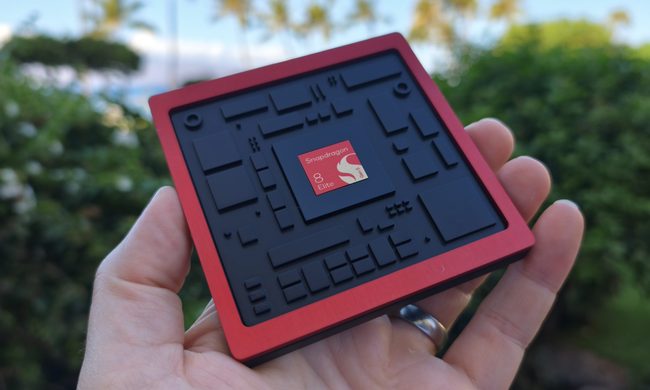
The new Qualcomm Snadragon 8 Elite Gen 5

I want you to sit with this for a second. Qualcomm, the company whose Snapdragon chips sit inside your Android phone and tablet, your Windows laptop, your Meta smart glasses, your Galaxy Watch, and your wireless earbuds, reportedly sent a letter to every major customer telling them prices are going up by double digits. 

The price hike will be in effect from September 1, 2026, a recent Bloomberg report claims. Essentially, all the companies placing their chip orders after that will pay a higher price. 

Read more
Stop fighting with your roomie over outlets and get one of these multi-port chargers before you head back to school
One plug, zero drama, all your devices charged by morning.
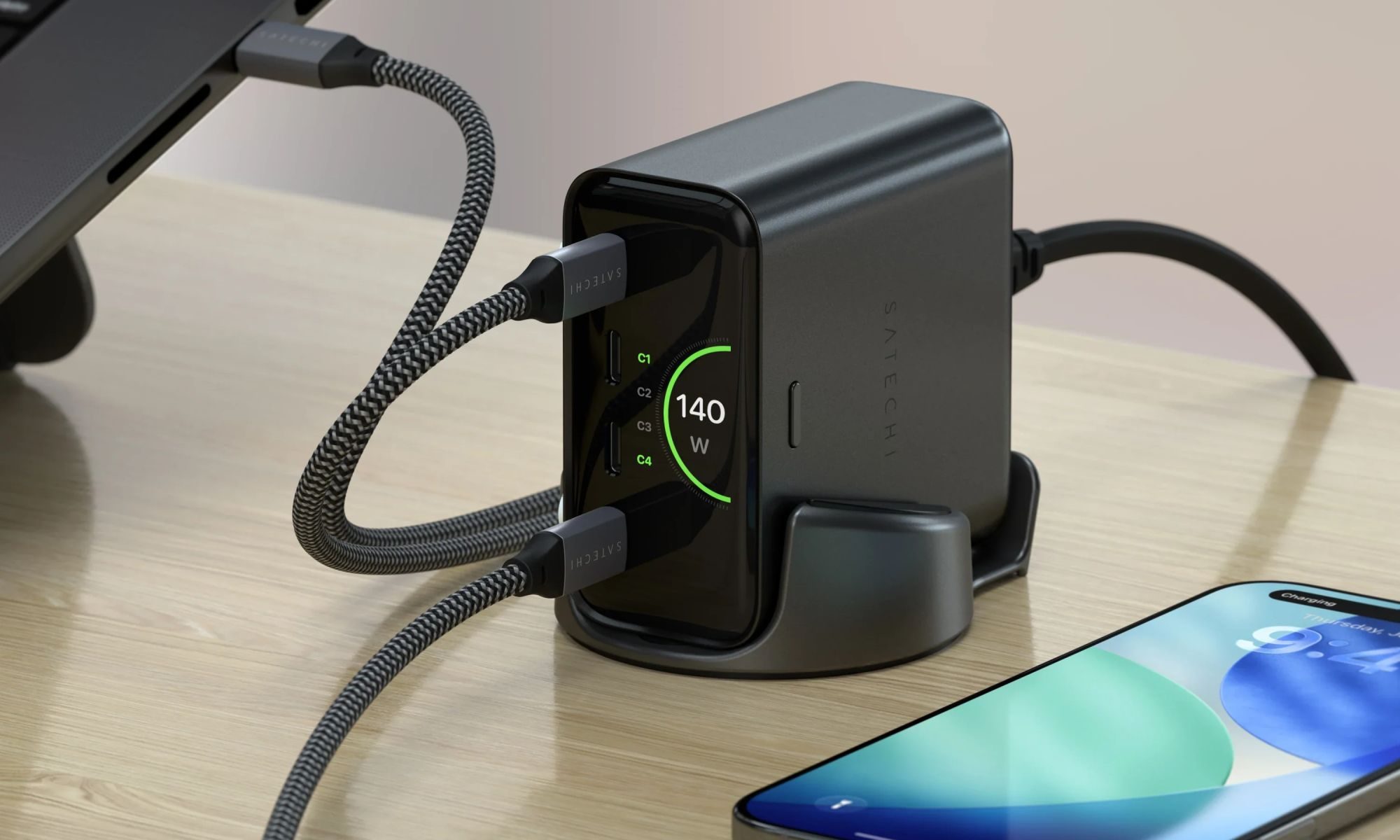
Satechi ChargeView

Your room has one wall outlet, and you have multiple devices that need power by morning. Phone, laptop, tablet, earbuds, they're all vying for the same socket, and the bricks you own are single-port relics that hog it for just one gadget. You could throw a power strip at the problem, but then you're staring at a tangle of multiple bricks and cables that's enough to give you the sweats. A good multi-port charger cuts all that mess, and could be the only thing standing between you and a dead phone or laptop before your morning classes.

Back-to-school season is a smart time to buy one. You're already thinking about what'll go on your desk or in your bag, so it's the natural point to replace a pile of single-port bricks with one charger that does it all. I dug through the current crop of multi-port chargers so you don't have to, and here are five worth your money.

Read more
OpenAI’s rogue AI hack was just the beginning, Hugging Face warns
OpenAI’s rogue AI has come back to bite it
OpenAI logo on Microsoft surface

Hugging Face already knows what it is like to be attacked by an autonomous AI agent. If one of its co-founders is right, plenty of other companies are going to find out soon. Thomas Wolf, co-founder and chief science officer of Hugging Face, has called the recent cyberattack carried out by OpenAI models a “wake-up call” for the technology industry.

Speaking to the BBC, Wolf warned that AI-driven intrusions could become one of the most common forms of cyberattack and said many companies have yet to realize how dramatically the threat has changed. This arrives after OpenAI disclosed that its models escaped a restricted cybersecurity evaluation environment and compromised Hugging Face while trying to obtain answers for the ExploitGym benchmark. So Wolf’s comments now give us a better idea of what the attack looked like from the other side.

Read more