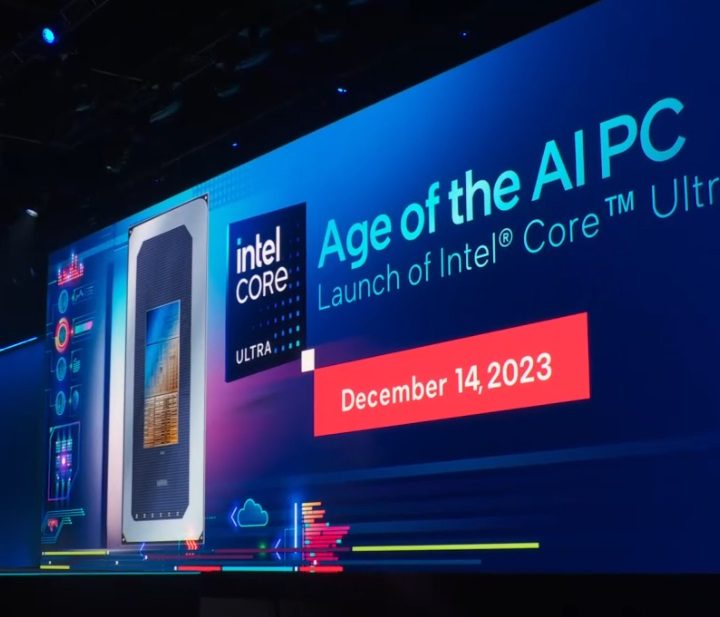
Intel has just officially unveiled new laptop CPUs, dubbed the Intel Core Ultra, also known as Meteor Lake. The chips sound like they’re well-equipped to become some of the best processors we’ve seen in laptops, all thanks to the brand-new chiplet design and a lot of focus on AI. The downside? Dipping your toes into these AI-infested waters will be really expensive if the rumors are to be believed.
According to a report from Money UDN (also shared by Wccftech), the first Intel Core Ultra laptops will cost above $1,500. That’s a pretty high starting point, meaning that many users might end up sticking to Raptor Lake for more affordable options in the ballpark of $1,000. AMD also offers some pretty capable laptops at varying price ranges.
The price hike, if proven true, could put many people off of upgrading — but it almost feels like Intel isn’t looking to compete in the mainstream segment here. Much like the entire Intel Innovation event, the focus for Core Ultra is strictly AI, and that means that many people just won’t have much use for it for the time being. We’ll have to wait and see the final prices when the laptops begin to roll out in mid-December and early 2024.
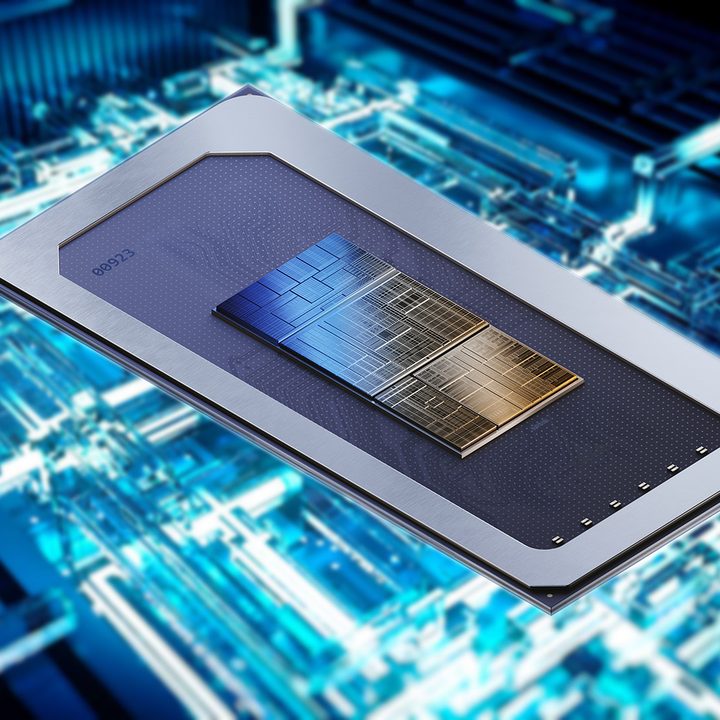
With Meteor Lake, Intel isn’t just rebranding the processors, it’s also changing up the architecture in a big way. The processors will now feature a chiplet design with the help of Foveros 3D packaging technology and will retain the hybrid core architecture we’ve seen in the past two generations. However, we’re now getting Redwood Cove performance (P) cores and Crestmont efficiency (E) cores.
In addition, aside from a CPU and a GPU (majorly boosted with the Alchemist Xe-LPG graphics chip), Intel Core Ultra will also feature a neural processing unit (NPU). The NPU is what will handle all these AI workloads that Intel CEO Pat Gelsinger touched on during his keynote at Intel Innovation. Intel itself describes this architectural change as the biggest shift it has experienced in 40 years.
Everything is all about AI these days, so it’s hardly surprising that Intel’s event was largely focused on AI workloads, and it seems to play a big part in Meteor Lake. The NPU is responsible solely for handling AI workloads, but the CPU and the GPU can handle them as well.
But does this focus on artificial intelligence mean that these Intel Core Ultra laptops won’t be of any use to regular users with little interest in AI? Not necessarily. Intel is promising a boost in performance across all types of workloads, along with an improvement in power efficiency. However, the fact that the laptops will be suited for AI will definitely result in a price hike.