For as much as I love technology, sometimes I really hate it.
Several pieces of hardware come to mind when I think about the tech devices with which I am least satisfied, but three stick out as especially annoying. Unfortunately, those are also some of the devices I depend on most. Here are three of the most double-edged devices in my gadget arsenal, and why it seems to be that the gadgets we rely upon more than any others also seem to grate on our nerves the most.
FM transmitter
Why I love it: Solo drives are the only time that I can blast music at max volume, and my car is the only place I dare sing along. Most of the music that currently has my attention is on my iPhone, so connecting to the car stereo makes any trip a lot more friendly. An FM transmitter is the most versatile way to do this.
Why I hate it: I don’t know of another type of device that has so consistently disappointed me. For as long as I have owned an iOS device, I have been plagued by poor use experiences. In most cases, this was due to the nature of the device itself. FM audio has lower fidelity than CDs (though higher than MP3), and the signal from your iPhone must compete with the station you try to override. Further, locating a viable station for listening can prove challenging, especially in urban areas. In my experience, devices with features to automatically find an empty station have left a lot to be desired.
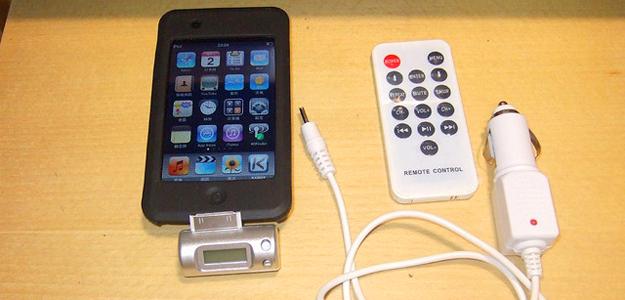
If I were a smarter man, I would have installed a 3.5mm audio input in my Mazda. Radio advertisements suggest they cost as little as $99 (installation included). Many FM transmitters are cheaper, but with as many as I’ve purchased and the frustrations they have caused me, a 3.5mm input would have saved money and hassle in the long term. It may be the increasing availability of eighth-inch inputs that makes the shortcomings of FM transmitters so enraging.
Xbox 360
Why I love it: Nothing provides my information-addicted brain the squirts of “surprise” dopamine it craves like a good video game. A quality title on Xbox 360 occupies my attention as few other things can.
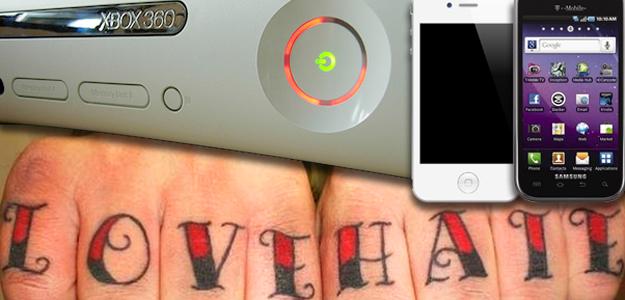
Why I hate it: I am now on my third Xbox 360. The first two units failed in my first year of ownership. I had much better luck with my third Xbox, which lasted around four years before it finally succumbed to the dread Red Ring of Death. Fortunately, a CPR (Cell Phone Repair) franchise here in Portland repaired my unit for just $55. Unfortunately, the Xbox was returned with a new feature: jet-engine-like noise from the machine’s fan. It may be keeping the 360 cool, but it is also so loud that the TV must be at a noticeably higher volume during operation.

I’m not so naive as to think that a tech product should last forever, but I don’t use my 360 heavily. I can only game for a few hours a week. With many problems in my personal experience and a rumored fail-rate of up to 54 percent, the Xbox 360 as infuriating as it is entertaining.
Smartphones
Why I love it: Each phone call or text message I receive is a reminder that people care about me and I am not alone in the cosmos. Plus, it’s nice to browse Digital Trends on the can.
Why I hate it: I asked friends about their most hated tech devices, and cell phones were mentioned more often than anything else. One cited telephone interruptions of in-person engagements as a major annoyance, though she also noted that her iPhone 4S was something she could not live without. This cuts both ways, however, as a major benefit of smartphones is their ability to distract from less-interesting situations. Those of us sitting ignored while friends are engrossed with their phone should strive to be more interesting or find new companions.
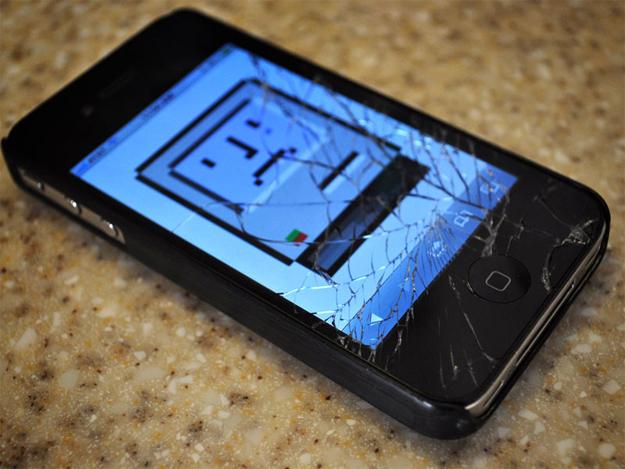
Smartphones (and just regular phones) are frequently subjects of complaint due to poor use experiences as well. As a long-time iPhone owner, I feel somewhat insulated from these problems. Though echoes of Apple’s Antennagate ring even today, I have always enjoyed my iPhone experience. It (and other phones) may drop calls on occasion, but providing ubiquitous communications access makes smart phones incredibly powerful. Dropped calls — which probably happen less often than we think, and which are only annoying because we enjoy talking on the phone so much — are minor annoyances when viewed in context of an overall quality experience.
Ugh, I’m such a whiner.
It’s like Louis CK says: everything is amazing and nobody’s happy.
I only hate these devices exactly because I love them so much. My phone connects me to those I care about while I’m on the go. Video games are my favorite way to turn my brain off after a long day. My FM transmitter turns a boring and seemingly endless car ride into an opportunity to sample from a vast music library in a judgment-free zone. Each of these devices is so integral to my life that stress arises whenever things don’t go just right with them.
Regardless of occasional annoyances, tech makes my life tons better. Hopefully, remaining mindful of this will help me temper my reactions during those rare moments when tech disappoints me. Maybe it can help you too.