  1. Home
  2. Computing
  3. News

Windows 12 could repeat Windows 11’s big mistake

Add as a preferred source on Google
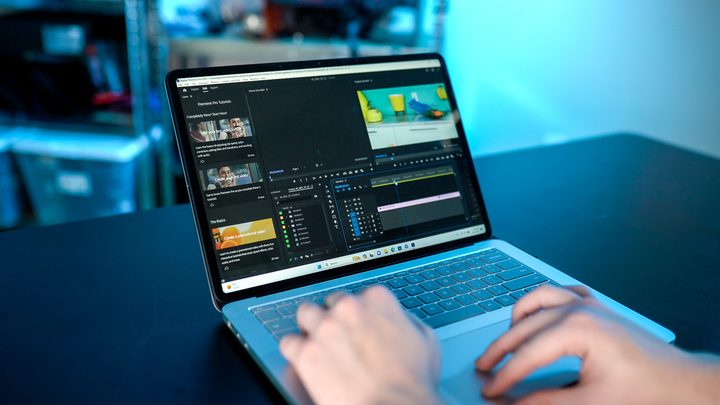
Someone using the Surface Laptop Studio 2 with Adobe Premiere Pro.
Jacob Roach / Digital Trends

The first details about Windows 12 are starting to take shape, and the rumored OS could repeat the biggest mistake of Windows 11. As we’ve heard previously, the new OS will likely have a big focus on AI features. Now, we’re hearing that many of those features will require a dedicated Neural Processing Unit (NPU), as reported by Windows Central.

It’s hard to forget the fumble Microsoft made with Windows 11 and its requirement of a Trusted Platform Module (TPM). This security chip isn’t included, at least in hardware, on the majority of off-the-shelf PC components, leading many to believe their PC wasn’t compatible with Windows 11 when it really was.

Recommended Videos

We could see that play out again if Windows 12 requires an NPU. The report from Windows Central states that the next version of Windows will heavily focus on AI. Some features could include an advanced Windows Copilot, AI-enhanced search, AI upscaling for games and videos, and AI-animated wallpapers, “much of which will likely require new NPU hardware to function.”

The report stops short of saying the next version of Windows will flat-out require an NPU, but many of the features could be restricted to that hardware. It’s unlikely that Microsoft would go as far as to require an NPU to use Windows 12, as we’re just starting to see that hardware hit the market.

AMD was first out of the gate with Ryzen AI, which it’s furthering with Ryzen 8040 CPUs. In addition, we know Intel’s upcoming Meteor Lake CPUs will pack in an NPU. Qualcomm is even throwing its hat in the ring with its Snapdragon X Elite chips for Windows PCs.

Come next year, we’ll have plenty of AI PCs, but they’ll be new and likely very expensive. Microsoft doesn’t want to restrict the next version of Windows to only users who can afford the latest and greatest laptops, so it’s hard to imagine you’ll need an NPU even to use the OS.

That doesn’t completely get around the problem, though. If AI features are the main draw of Windows 12, and NPUs aren’t available on older PCs, Microsoft could fragment the base of Windows users even more. According to Windows Central, this is a legitimate concern within Microsoft.

We know that AI is a big focus for Microsoft, and several reports now have claimed that Windows 12 will launch at some point next year. The only real question now is if users will need to upgrade their PCs to use the OS.

Jacob Roach
Former Lead Reporter, PC Hardware
Jacob Roach is the lead reporter for PC hardware at Digital Trends. In addition to covering the latest PC components, from…
Google’s new Magic Pointer Play Store listing reveals a Gemini shortcut built for Googlebooks
The unannounced app turns the cursor into a contextual AI tool for search, image creation, and shopping
Plant, Text, Business Card

Google has quietly published a new Play Store listing for Magic Pointer, an unannounced app built for Googlebooks. Updated on July 10, the app turns the cursor into a Gemini shortcut that can act on whatever a user selects on screen.

Magic Pointer can send an image to Lens, generate a related image, or surface a shopping action without forcing users to open a separate chatbot. Regular Android devices currently show as incompatible, so the listing offers an early preview rather than a broad release.

Read more
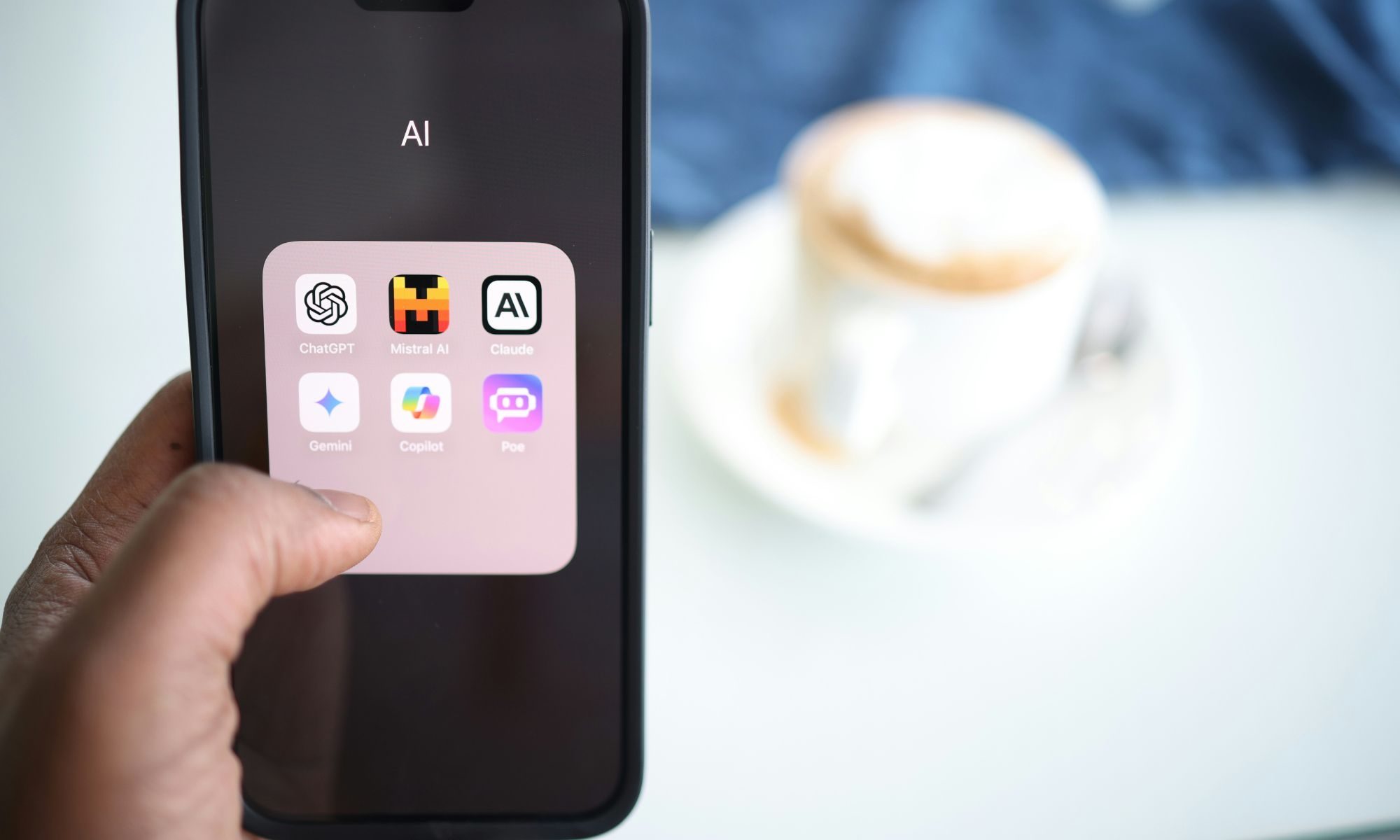
You can stop using AI, but this new report says you probably can’t escape it
A UK survey found that most people feel AI exposure is unavoidable, raising harder questions about consent, privacy, and whether opting out is still realistic
AI Chatbots

More people are trying to use less AI, but avoiding it altogether may already be impossible.

A survey of 2,055 UK adults found that 42% deliberately limit how much AI they use. Another 70% said avoiding AI exposure would be difficult or impossible, even when they actively wanted less of it.

Read more
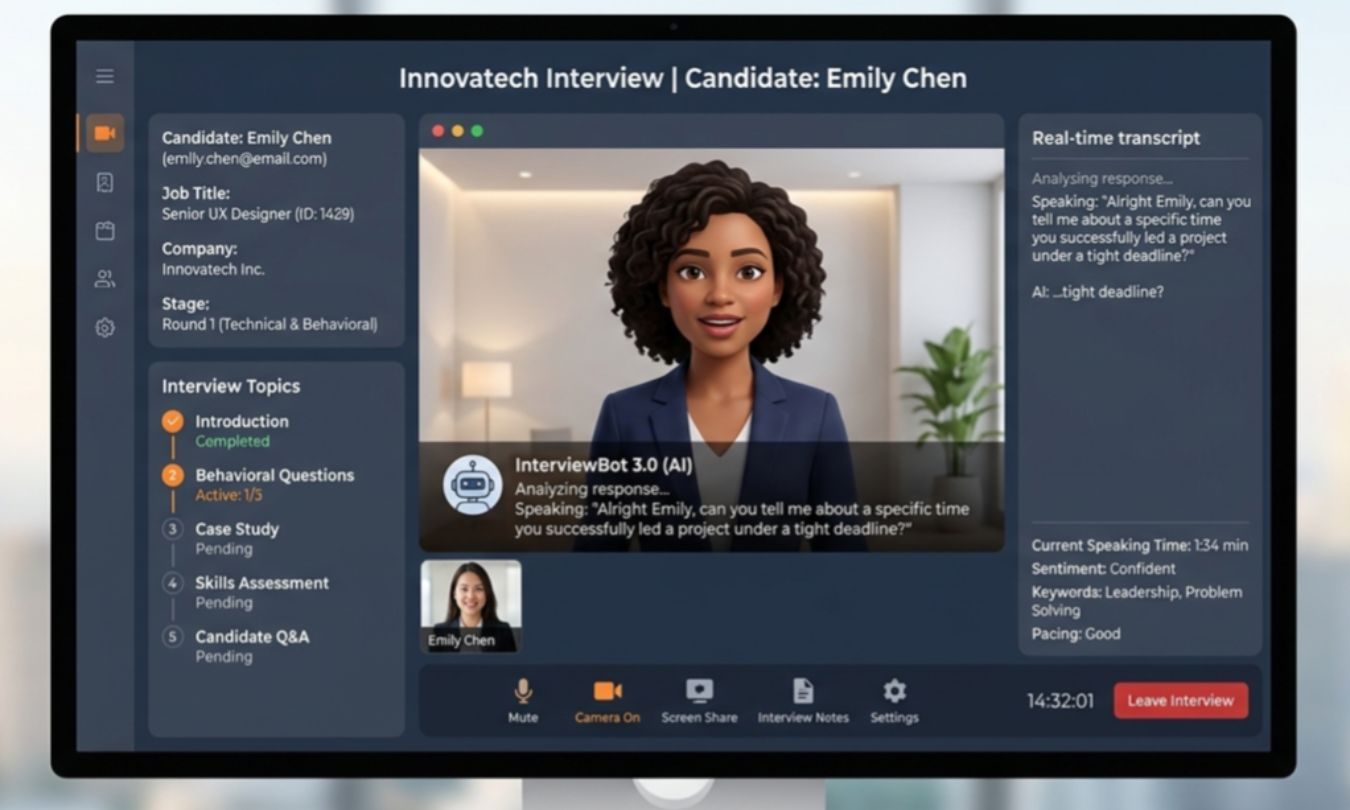
The face on an AI interviewer may matter as much as the decision it makes
Researchers found that race and gender matching changed how fairly rejected applicants viewed an automated interview, even though everyone received the same outcome
File, Computer Hardware, Electronics

An AI hiring system can treat every applicant the same and still leave some people feeling targeted. Researchers found that rejected candidates judged an automated interview differently depending on the race and gender of the avatar delivering the result.

Around 220 participants completed a simulated interview for a fictional customer support role with one of four photorealistic AI avatars. Everyone was rejected, yet perceptions of fairness shifted with the interviewer’s appearance. An algorithm audit could miss that reaction because candidates don’t experience the system as raw code. They experience a face asking questions and judging their answers.

Read more