  1. Home
  2. Phones
  3. Mobile
  4. News

The Spotify Android app just got an odd design change

Add as a preferred source on Google
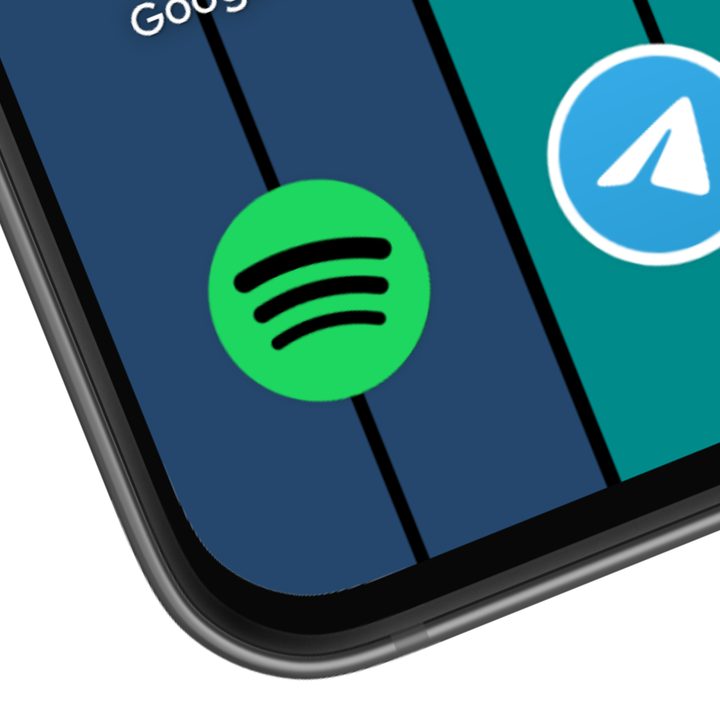
A closeup view of the Spotify app icon
Digital Trends

There’s a good chance you use Spotify for your music streaming and podcast listening. There’s also a good chance you use the Spotify app on your Android phone. If so, you’ll soon notice that the app looks a bit different than usual.

How so? The app icon no longer has its distinctive black background. Gasp.

Recommended Videos

Previously, the Spotify app icon had the green Spotify logo surrounded by a black background. Now, the new app icon (spotted by Will Sattelberg of Android Police) is just the green Spotify logo — no black background to speak of.

While not a massive deal by any means, it certainly is an odd change. The black background is distinct and familiar, and helped the app stand out a bit more. The new background-less version certainly doesn’t look bad, but there is a “cheap” feeling to it. When I first saw it, I immediately thought it looked like a Spotify logo I’d find in a third-party icon pack. It’s not bad, per se — just slightly off.
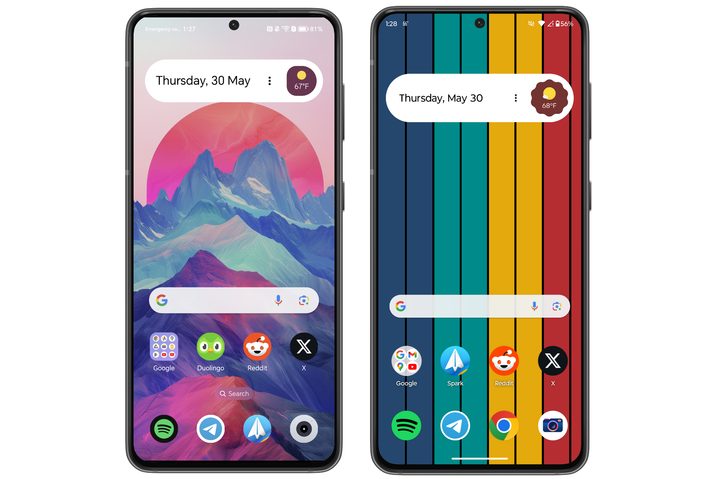
A comparison of the different Spotify app icons.
Old Spotify app icon (left) and new Spotify app icon Digital Trends

On a slightly more serious note, it looks like this new app design is actually causing some potential issues. As reported by one user on the r/spotify subreddit, the new icon makes it look particularly out of place and awkward if you’re using Android’s themed icons feature.

The new Spotify app icon appears to have rolled out with app version 8.9.44.368. It also only appears to be live on Android right now and does not currently apply to the iOS app icon.

In short, it’s a big day for Spotify! Now, how’s Spotify Hi-Fi coming along?

Joe Maring
Joe Maring has been the Section Editor of Digital Trends' Mobile team since June 2022. He leads a team of 13 writers and…
Galaxy Z Fold 8 Ultra: Everything we know about Samsung’s next flagship foldable
Though it will feature improvements across the board, the memory crisis might not spare Samsung’s Fold 8 Ultra.
Electronics, Speaker, White Board

The Samsung Galaxy Z Fold 8 Ultra is not the phone that reimagines what a foldable looks like. As that job falls to its sibling, the wider-screen Galaxy Z Fold 8, the Ultra could come as the direct successor to the Galaxy Z Fold 7, with the same tall, narrow design and the same book-style proportions, for the same audience. 

If you've used a Samsung Galaxy Z Fold in the past and think that the shape is perfect for you, the Fold 8 Ultra could be just the right phone for you. It has a redesigned inner display, a substantially larger battery, faster charging, and the new Flex Titanium technology designed to minimize the crease that has troubled Samsung's foldables for years. 

Read more
Your OnePlus phone is switching to ColorOS, whether you like it or not
OnePlus has confirmed that OxygenOS is being phased out, and eligible devices will get the option to update to ColorOS 17 once it becomes available.
Person holding OnePlus 15.

OnePlus has confirmed that OxygenOS, the Android skin that helped define the brand for more than a decade, is being retired in favor of ColorOS. The confirmation came buried in the community forum post announcing its exit from North America and Europe.

ColorOS replaces OxygenOS worldwide

Read more
Personal Intelligence in Search now connects to Google Calendar
Google Search AI can now read your Calendar and add events automatically
Google Calendar

Google is taking another step toward making Search feel less like a search engine and more like a personal assistant. The company has announced that AI Mode's Personal Intelligence can now connect directly to Google Calendar, allowing it not only to reference your schedule but also to create calendar events on your behalf.

Until now, Personal Intelligence mainly pulled information from apps like Gmail and Google Photos to provide more relevant responses. Calendar changes the equation because it becomes the first connected Google app that doesn't just provide context. It can actively act. The feature is rolling out now to users in the United States, with a wider international rollout planned later.

Read more