  1. Home
  2. Computing
  3. News

Companies are cracking down on mouse jigglers

Add as a preferred source on Google
Vaydeer Mouse Jiggler in use.
Vaydeer

Ever since the proliferation of remote work, there’s been a growing demand for ways for employees to appear productive to their managers when away from their computers.

But now, we’re starting to see some high-profile cases of companies cracking down on this kind of workplace deception. Bloomberg reports that Wells Fargo recently fired over a dozen employees last month who used “mouse jigglers” to fake productivity. The fired employees were in the bank’s wealth and investment management unit. They were “discharged after review of allegations involving simulation of keyboard activity creating the impression of active work,” according to disclosures filed with the Financial Industry Regulatory Authority.

Recommended Videos

So far, there is no information on how long the employees were using the technology before getting caught or if the terminated employees were caught using the mouse movers while working remotely or on-site. The strategy used by the bank to come to this conclusion remains unclear. These mouse movers simulate mouse movements, so your computer will always appear active to software that monitors activity.

The prevalence of mouse jugglers raises questions about how well current monitoring tools assess actual productivity in specific roles. Hopefully, more information will become available on how the employees acquired jobs requiring their productivity to be measured by mouse movements and why such monitoring was necessary.

This technology is nothing new, but it became increasingly popular during the pandemic. Since many remote jobs persist to this day, the monitoring tools have improved, making it more difficult for workers to fake effectiveness. The technology is readily available for less than $20 at Amazon and can fake keyboard inputs, making the monitoring software think someone is at their desk.

Wells Fargo requires its employees to go to the office, but it didn’t need them to begin until early 2022. It’s easier for remote workers to fake productivity, but even so, there is software that will ensure they are at their desks and working. As these two technologies continue to improve, time will tell who gets the upper hand.


Judy Sanhz
Computing Writer
Judy Sanhz is a Digital Trends computing writer covering all computing news. Loves all operating systems and devices.
Lenovo’s new gaming laptop is the first to feature a 240Hz inkjet-printed OLED display
TCL’s inkjet-printed OLED technology finally reaches a commercial laptop through Lenovo
Computer, Electronics, Laptop

TCL has spent years saying inkjet-printed OLED could improve image quality, efficiency, lifespan, and manufacturing costs. Back in 2024, the company was still showing prototype laptop panels and promising a “comprehensive breakthrough” once the technology was ready for commercial products.

Two years later, it has finally arrived in a gaming laptop. Lenovo’s new Legion R9000P uses a 16-inch panel that TCL CSOT describes as the world’s first inkjet-printed OLED display integrated into a laptop.

Read more
This new Mac malware won’t let you use your computer until you surrender your password
This Mac malware turns your own computer against you
AI Generated Image

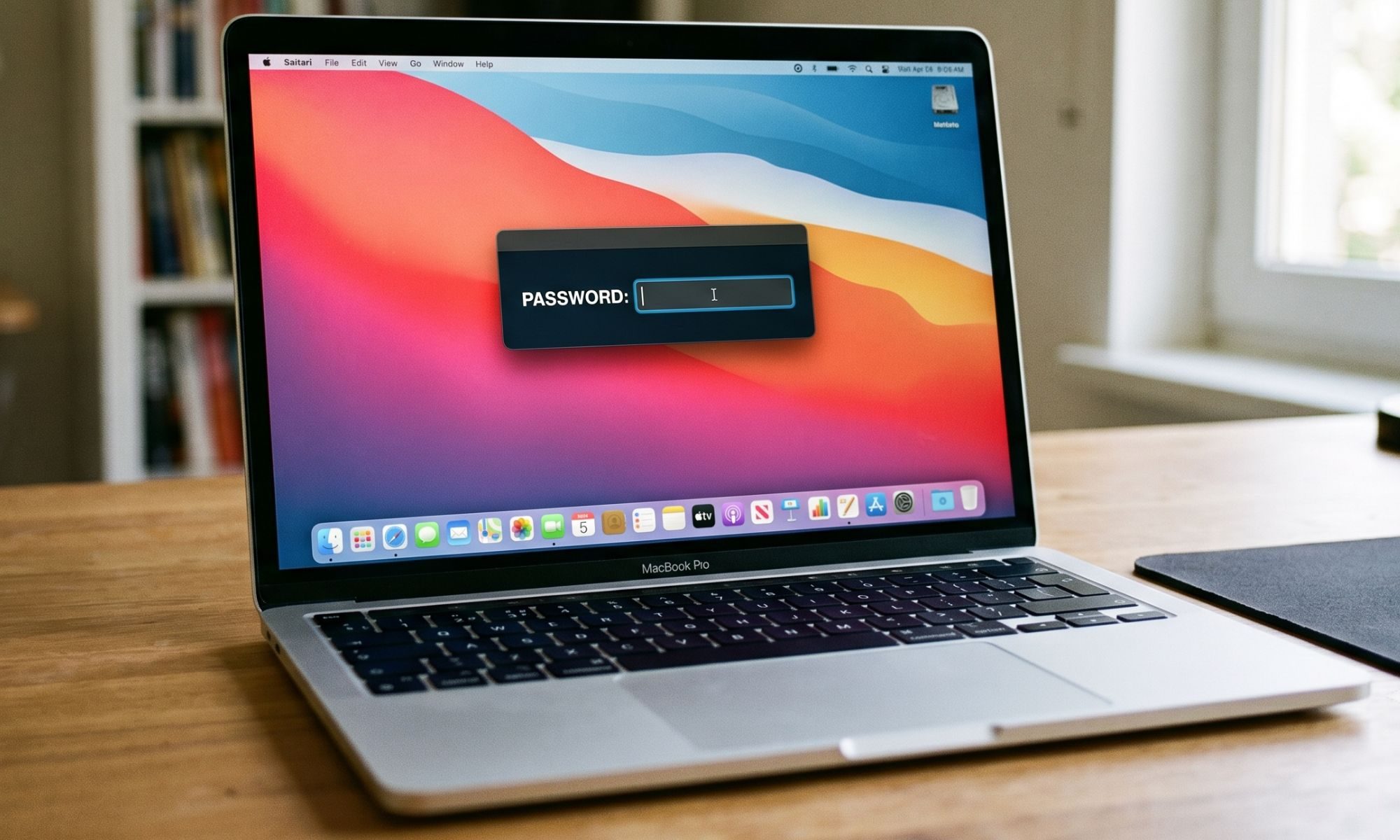
A newly discovered strain of macOS malware is taking social engineering to an unsettling new level. Instead of exploiting a software vulnerability or silently stealing information in the background, it simply refuses to let you use your Mac until you type in your login password.

Dubbed ClickLock, the malware repeatedly shuts down key macOS processes, disables notifications, displays convincing Apple password prompts, and effectively traps users in a loop that only ends when the correct password is entered. Once that happens, it doesn't just steal the password. It goes after browser data, cryptocurrency wallets, saved credentials, password managers, and much more.

Read more
1Password lets Claude inside your accounts without handing over the keys
Claude can now sign in on your behalf while your password stays hidden, though trusting it after login is a separate decision
1Password official

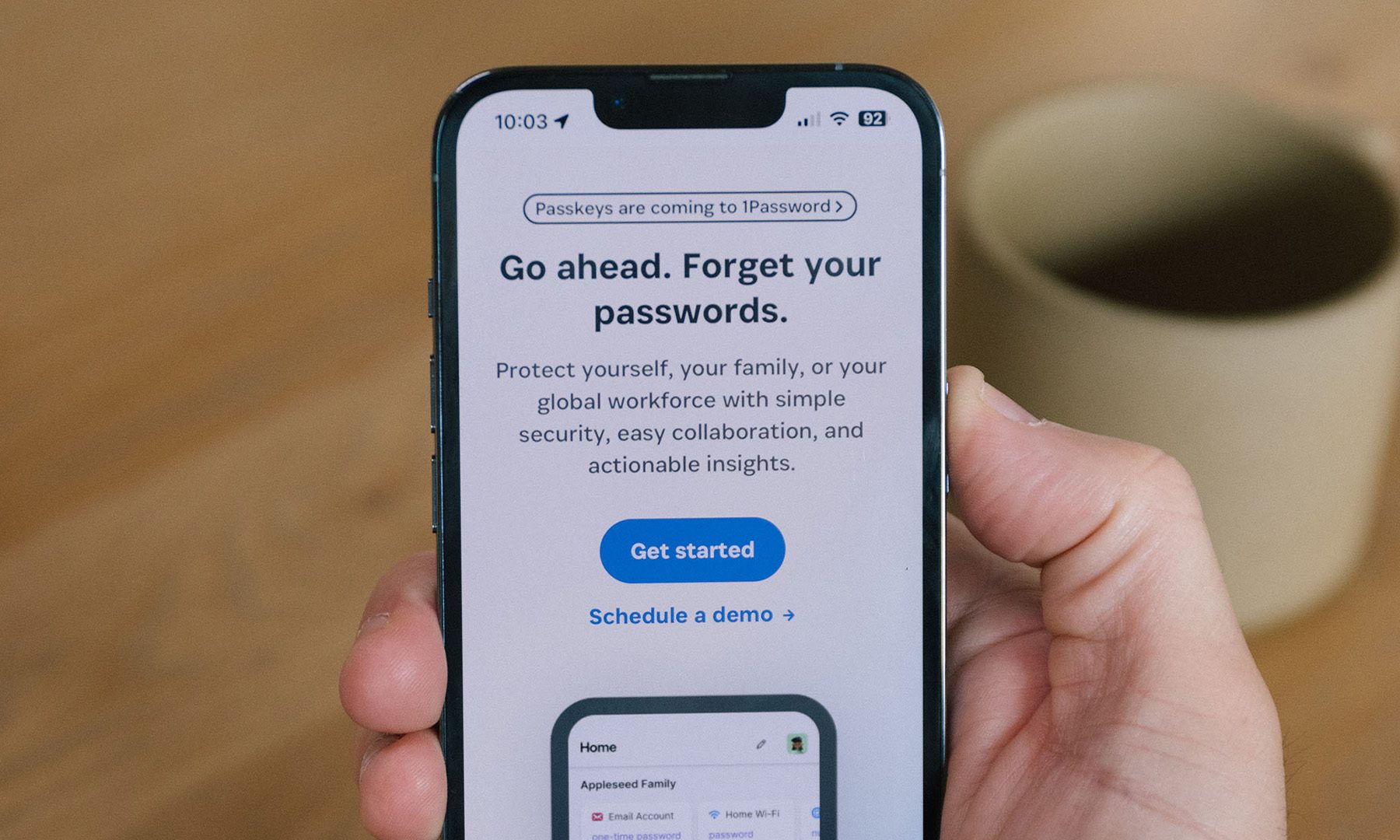
1Password is giving Claude a way into your online accounts without making your passwords part of the bargain. The new 1Password for Claude integration can fill login details while keeping the credentials hidden from Anthropic’s AI agent.

Available now on Mac, the feature kicks in when Claude reaches a sign-in page during a task. Claude requests a saved login, then you approve or deny it. If approved, 1Password submits the credentials through a separate encrypted channel. Passwords and one-time codes never enter Claude’s context or Anthropic’s systems.

Read more