1. Home
  2. Cars
  3. Audio / Video
  4. Computing
  5. Emerging Tech
  6. Entertainment
  7. Gaming
  8. Mobile
  9. News

Digital Trends may earn a commission when you buy through links on our site. Why trust us?

Might be time to buy EVs, laptops, and smartphones ahead of Trump tariffs

Add as a preferred source on Google
evs laptops smartphones price hike tariffs nafta member flags canada united states of america mexico 001 850x604 1
Image used with permission by copyright holder

Besides the traditional holiday shopping season, there might be good reasons to preempt some planned purchases between now and January 20: Price hikes are widely expected to be passed onto U.S. consumers should the incoming Trump administration carry out its plans to impose across-the-board tariffs on imports.

President-elect Donald Trump has said the U.S. will slap a new 25% tariff on imports from Mexico and Canada, along with an additional 10% on Chinese imports. While campaigning, Trump also mentioned a 10% tariff on all imports and an additional 60% tariff on imports from China.

Recommended Videos

Of course, no one knows exactly what the final tariffs will be. And before consumers rush to buy essential and non-essential goods, some are warning that retailers are using the threats of tariffs to boost their year-end sales.

Still, analysts and economists are also warning that tariffs are on the way. And based on Trump’s own promises, certain consumer goods are particularly at risk for price hikes.

While the impact on consumer prices would be wide-ranging, cars first come to mind.

GM, Ford, and Stellantis, the Big Three automakers., rely heavily on Mexico- and Canada-based plants to produce vehicles bound for the U.S. market. According to Global Data, about 15% of the 15.6 million new vehicles sold in the U.S. last year came from Mexico, while 8% came from Canada.

Responding to Trump’s announcement, Mexico’s economic minister, Marcelo Ebrard, noted that 88% of U.S. pickup trucks from the Big Three automakers are imported from Mexico. As a result of the tariffs, he said the average price of a pickup would rise by $3,000 in the U.S.

Wells Fargo analysts, meanwhile, predict that U.S. prices for vehicles entirely produced in Canada and Mexico would increase by $8,000 to $10,000. But U.S.-assembled cars would not be spared, with tariffs expected to lift their prices by an average of $2,100.

Electric vehicles (EVs) are also particularly at risk, facing a potential double-whammy of tariff-induced price hikes as well as the end of the Biden administration’s $7,500 federal tax incentive on EV purchases. The combination of the two could lift the average price of an EV by at least 20%.

Aside from automotive products, the National Retail Federation (NRF) is predicting huge increases in consumer prices on laptops and tablets, major household appliances, video game consoles, and smartphones, as well as e-bikes.

NRF, based on Trump’s campaign-trail promises of a 10% tariff on all imports and an additional 60% tariff on imports from China, predicts the price of the average household appliance would increase by 19.4%.

Price hikes would be much larger for laptops and tablets, which would increase by at least 45%, according to the Consumer Technology Association. Similarly, the price of a new video console would go up by nearly 40%. Smartphone prices would be expected to rise by at least 26%.

Nick Godt
Former Freelance reporter
Nick Godt has covered global business news on three continents for over 25 years.
Two Indian automakers just beat Tesla at the one thing you’d expect it to own
Two Indian automakers, Tata Motors and Mahindra, just topped a global EV efficiency ranking ahead of Tesla and BYD.
Car, Suv, Transportation

I'll admit, Tesla topping an efficiency ranking felt like a foregone conclusion until I actually saw the numbers. Turns out two Indian automakers just embarrassed both Tesla and the world's biggest EV maker at their own game. 

The first time I read the report, I couldn’t believe it, and I’ve been following the Indian automobile industry for a couple of years now.  

Read more
BYD’s new Racco is Japan’s first electric kei car with over 300 km range
The Racco also undercuts Nissan's Sakura on price before taxes and incentives, which packing in features rarely seen in the kei car segment.
BYD Racco

BYD has entered the Japanese kei car market with the Racco, an electric car built specifically for the country's compact car segment. Its top trim delivers 320 km of range, making it the first compact electric car in the market to pass 300 km, according to ITHome.

Kei cars are a Japanese vehicle class with strict size and power limits, and the segment has long been dominated by domestic automakers such as Honda, Nissan, Suzuki, and Daihatsu. The Racco is BYD's first attempt to compete in that space.

Read more
Xiaomi spills SkyNomad EREV details ahead of July 30 debut and it rhymes with Kunlun
Xiaomi made a sedan first. Now it's coming for your family SUV too.
Skynomad

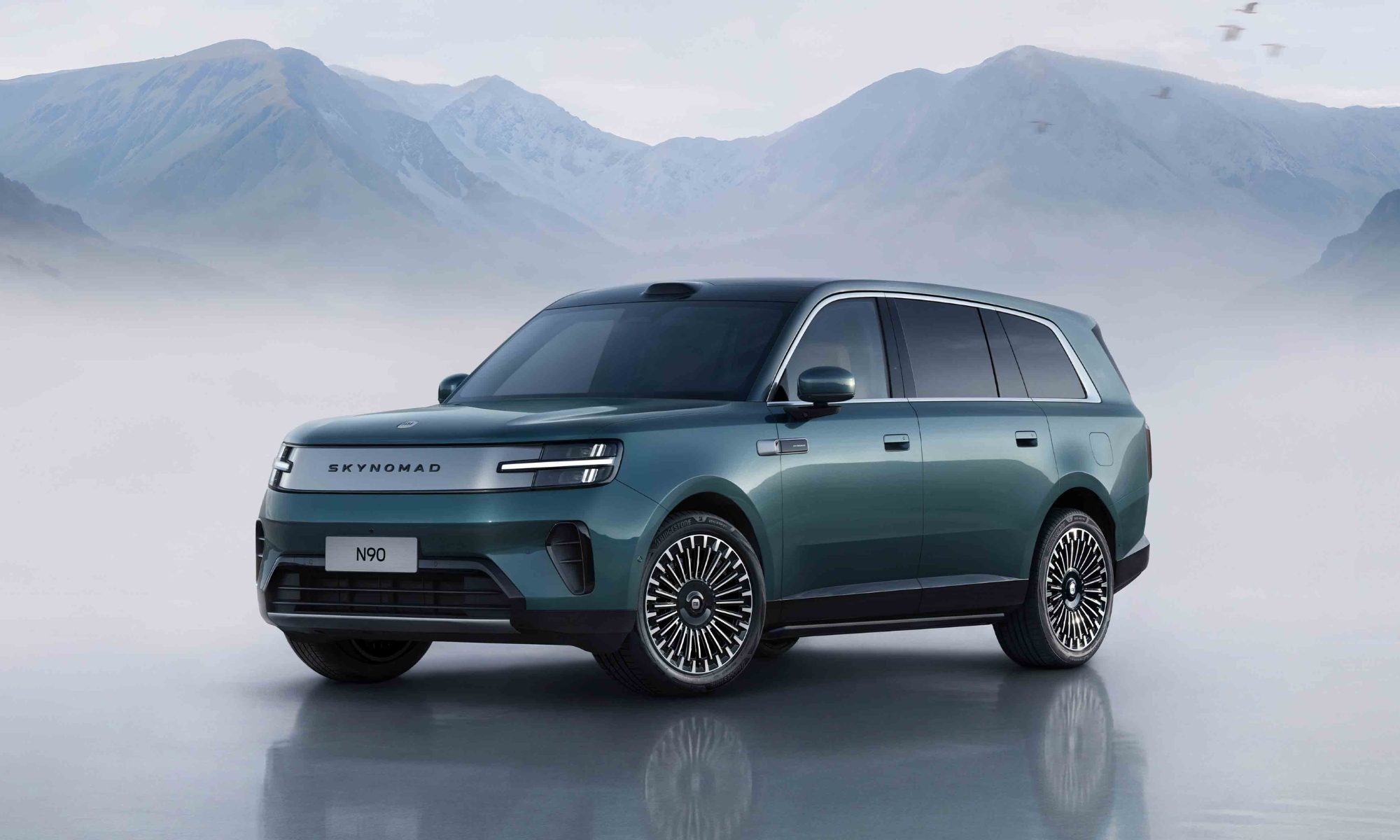
When Xiaomi entered the automotive industry, it did so with the all-electric SU7 sedan before expanding into SUVs with the YU7. Its next move is taking the company into one of China's fastest-growing vehicle segments: extended-range electric SUVs (EREVs). Ahead of a technical presentation on July 30, Xiaomi has shared fresh details about its upcoming SkyNomad lineup via its Weibo channel, first spotted by CarNewsChina, revealing the new Kunlun range extender, fuel economy figures and testing progress.

At first glance, the SkyNomad N90's upright silhouette, squared-off proportions and premium detailing inevitably draw comparisons with the Range Rover. But mechanically, Xiaomi appears to be targeting a very different group of rivals. The company is entering a market currently dominated by Chinese brands such as Li Auto and Huawei-backed Aito, both of which have built successful businesses around extended-range SUVs that combine electric driving with the convenience of a gasoline-powered range extender.

Read more