T-Mobile pledged to “end mobile dead zones” all the way back in 2022, thanks to a deal with SpaceX that would entail using Starlink satellites to enable communication across the entirety of the country. In September this year, the carrier successfully relayed a satellite-driven emergency alert to assess the service.
Now, T-Mobile seems ready for real testing.
Earlier today, the company announced the commencement of beta registration for its T-Mobile Starlink direct-to-cell satellite service. Notably, the signup process is open to all subscribers, including first responders as well as business customers, and doesn’t entail any fee either for postpaid customers.
Of course, priority will be given to emergency responders and affiliated institutions. As per the press release, the testing will begin “early next year.” In the initial phase, satellite-to-cell communication will be limited to texting, while data and voice calling facilities will be rolled out in a later phase.
One of the biggest advantages of T-Mobile’s service — compared to what the likes of Apple have implemented on iPhones — is that the whole process will be relatively fuss-free. Users won’t have to go through the hassle of finding a clear sky and aligning their phone to latch on to the satellite network.
“Both inbound and outbound messages are sent and received just like any other message,” says the carrier. That’s because the direct-to-cell satellite service has been tuned to integrate with T-Mobile’s existing terrestrial network infrastructure.
The ultimate goal is to cover areas like in-flight hours, off-grid locations, and even areas that fall out of T-Mobile’s on-ground cellular coverage scope. The company has already tested the service to a small extent as it sought to help people facing the wrath of hurricanes Helene and Milton.
When the entire satellite network is in place, T-Mobile says its new service will cover an area spanning over half a million square miles. The biggest advantage, however, is that T-Mobile is not asking for any bespoke hardware or flagship phones for the feature work.

T-Mobile has previously assured that a majority of smartphones will be ready when the service rolls out widely. That means users necessarily won’t have shell extra cash for a special phone, or invest in a standalone gadget like the Motorola Defy Satellite Link.
“During the beta, to ensure a great customer experience we are optimizing the experience on select smartphones and will expand the beta to more customers and phones as more satellites launch,” says the company’s FAQ page.
So far, Apple has been the foremost adopter of the tech. Earlier this year, the company expanded the scope beyond merely contacting emergency responders when users find themselves in a spot without any terrestrial network.
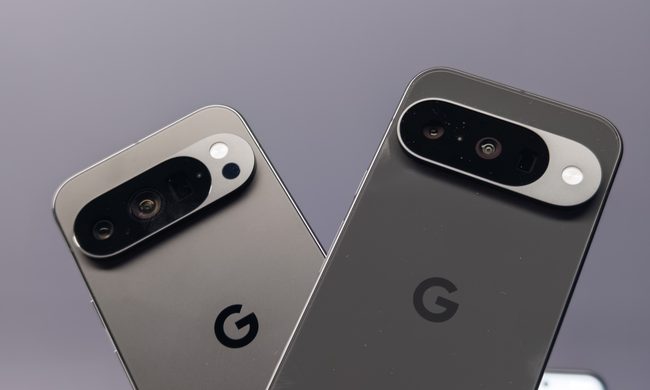
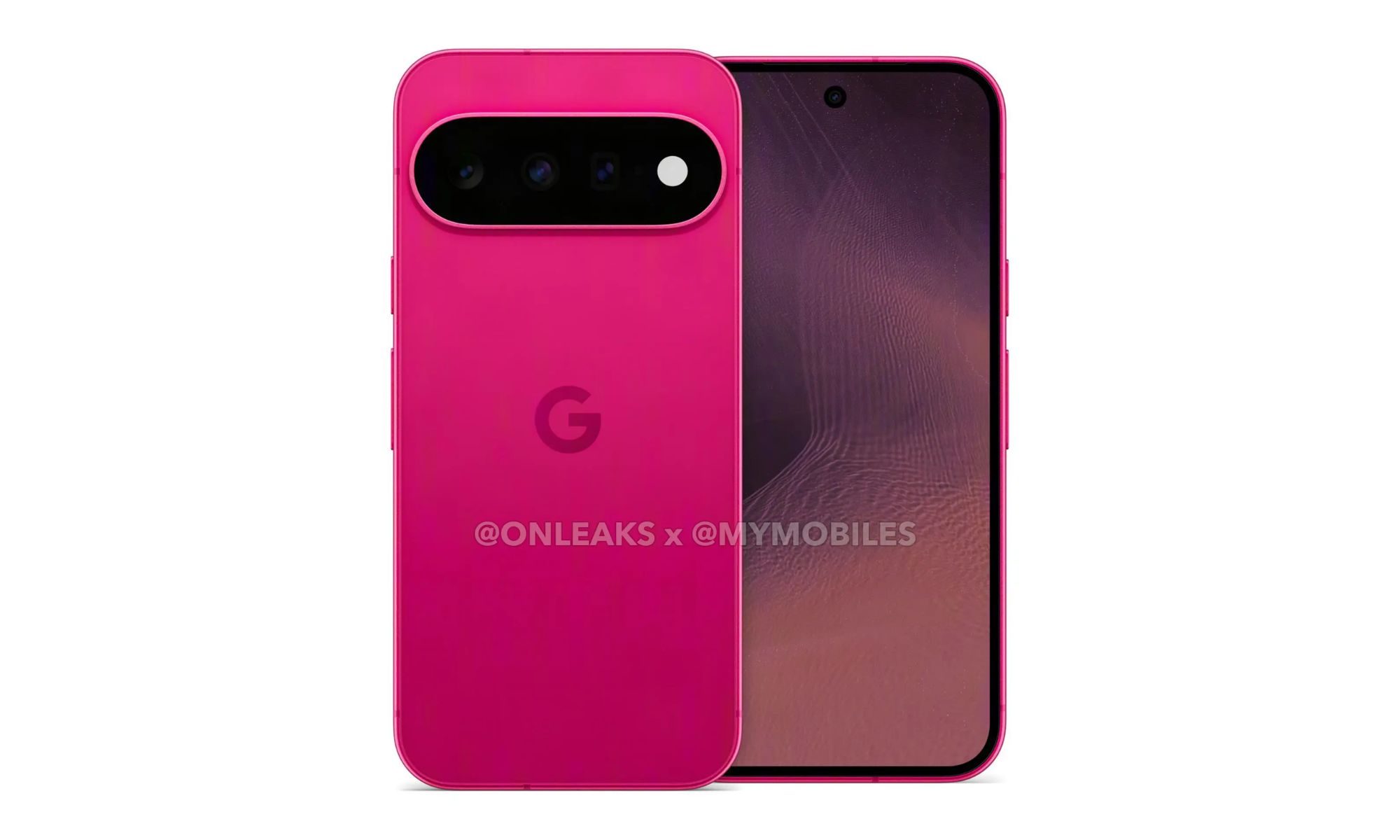
With its next rugged smartwatch, Apple is expected to enable satellite-based communication on the next Apple Watch Ultra, as well. Google also rolled out satellite messaging with Android 15 earlier this year, preceding the wider release with a fitting update for the Pixel 9 series smartphones. In T-Mobile’s case, a wider launch of its direct-to-cell satellite service is expected at some point in 2025.