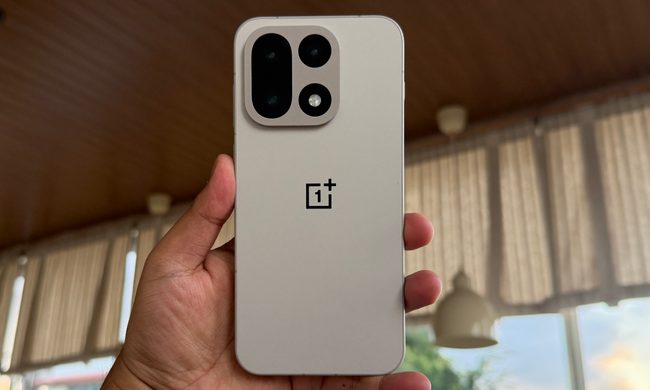
3D smartphones have come and gone a few times over the years. HTC and LG tried making 3D phones the next big thing in 2011 with little success. Amazon’s Fire Phone attempted to resurrect the 3D phone craze in 2014, and, perhaps most infamous, the Red Hydrogen One tried again in 2018.
We haven’t seen any 3D phones since then, but it looks like that’s set to change. At CES 2025, I had a private demo session with Leia, a company that converts 2D displays into 3D ones. My demo session began by seeing how this works on monitors, laptops, and tablets — including one launched last February.
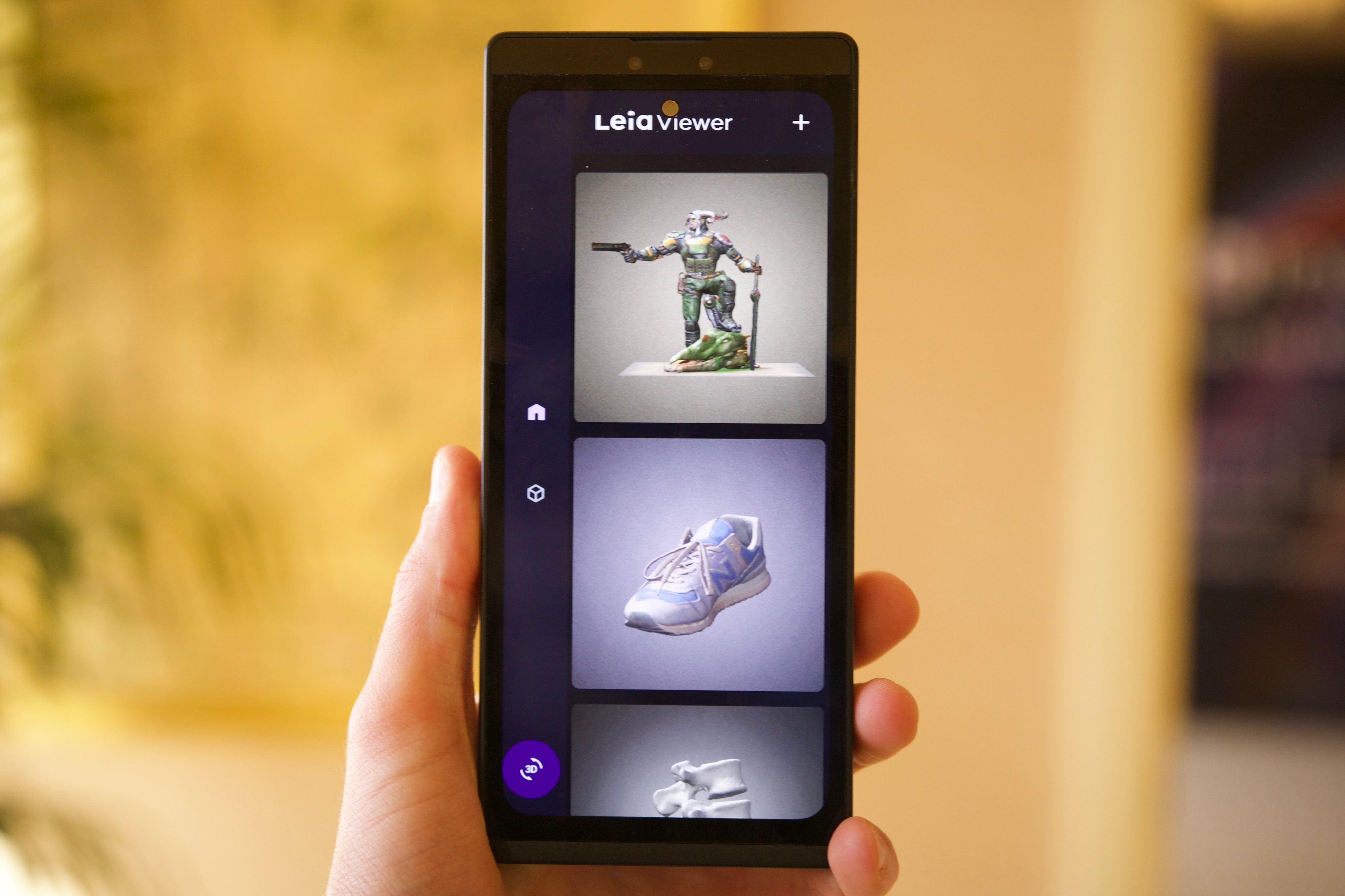
My final demo, the one I was waiting for, was with a prototype of Leia’s 3D tech on a smartphone. If you ask Leia, the prototype resembles how it thinks all smartphones should work in the future.
Leia’s 3D tech really works

Leia creates its 3D images using clever trickery of your eyes. When 3D imagery is enabled on a Leia device, you’re really seeing two sets of the same image. However, using a camera and eye-tracking, Leia is able to only show your right eye one image and your left eye the other — resulting in a glasses-free 3D viewing experience.
My first few demos on 4K and 8K monitors were particularly impressive. I played Shadow of the Tomb Raider, Lies of P, and Tunic — all in 3D — and they all looked surprisingly good. For me, it was less about the images popping out of the screen and more about the extra depth the 3D added to each game.
I’ve spent hours running around Tunic, and seeing that world transformed into a 3D landscape was quite something. I’m generally not the biggest 3D fan, but it was something I could see myself spending a lot of hours with. Playing these games in 3D made me feel like I was part of the game world; like I was looking directly into it rather than just a movie picture on a screen. It’s not something you can show on camera or in pictures, but the end result is a lot more impressive than I had anticipated.
Using a 3D smartphone in 2025

How does all of that translate to a phone? Leia is still developing it (hence the prototype nature of the handset I used), and while it’s certainly not perfect, it is off to a promising start.
On all of Leia’s 3D displays, including its phone, you can seamlessly switch between 2D and 3D with the tap of a button. When you don’t want 3D, the phone looks like any other 2D panel available today. When you do want 3D, you’re just a tap away.
What can you use 3D for? You can enable it anytime, so if you want to browse your home screen or scroll through Reddit in 3D, you can. However, the main benefit — and what you’ll probably want to use the 3D for most — is watching videos in 3D. You can watch content that was already created in 3D. What’s more impressive is that you can also convert any 2D videos into 3D ones.

I watched a handful of these during my time with the phone, and while not quite as immersive as the monitor demos, the same feeling of extra depth was there. Rather than just watching a video, it adds an element of feeling like the phone is a portal into whatever you’re watching — like you’re almost there.
Of course, the 3D isn’t perfect. Compared to the large-monitor demos I started out with, the 3D on the phone felt more … artificial. That’s not surprising considering the much smaller screen Leia has to work with, but it’s something I couldn’t help but notice. The camera also failed to register my face multiple times for the 3D to work.
It’s worth reiterating that this phone is still a prototype, so it makes sense that some things likely still need to be worked out. Leia’s phone isn’t there quite yet, but the company is getting there.
Are 3D phones back for good?
As I was leaving my demo session, Leia’s VP of marketing, Jochem Taminiau, said that Leia’s vision of the future is one where every phone can (and should) be a 3D one.
Is a 3D future really what lies ahead of us for our smartphones? The tech is impressive and works as advertised, but why should we think Leia will succeed today when so many other 3D phones came and failed before it?
That I don’t have the answer to. However, as someone who always loves to see new and weird things happening in the smartphone world, I’m glad Leia is trying to get 3D phones right, and I hope there’s at least some truth to its vision of a 3D smartphone future.