1. Home
  2. Computing
  3. News

The PS5 Pro will soon get an AMD-powered performance boost

Add as a preferred source on Google
Aloy squats near a bush in Horizon Zero Dawn Remastered.
Sony

Sony is set to enhance the PlayStation 5 Pro‘s visual performance by integrating AMD’s FidelityFX Super Resolution 4 (FSR 4) upscaling technology. This advancement stems from a collaboration between Sony and AMD, known as Project Amethyst, aiming to elevate the console’s graphical fidelity.

FSR 4, recently unveiled alongside AMD’s Radeon RX 9070 and RX 9070 XT graphics cards with RDNA 4 architecture, leverages machine learning with an aim to deliver image quality that is on par with Nvidia’s Deep Learning Super Sampling (DLSS). Unlike its predecessors, FSR 4 utilizes hardware-based machine learning for upscaling, optimizing performance and visual clarity.

Recommended Videos

Mark Cerny, PlayStation’s lead system architect, recently spoke to Digital Foundry where he highlighted that the neural network and training methodologies in FSR 4 are direct outcomes of the Amethyst collaboration, offering a more advanced approach that surpasses the current PlayStation Spectral Super Resolution (PSSR).

The integration of FSR 4 into the PS5 Pro is currently targeted for gaming titles launching in 2026, with ongoing efforts to adapt the technology to the console’s architecture. Cerny expressed confidence in the PS5 Pro’s machine learning capabilities, noting its peak performance of 300 8-bit Tera Operations Per Second (TOPS), which aligns favorably with AMD’s latest GPUs.

Machine learning and ray tracing are going to be the PS5 Pro’s key upgrades and could well be part of AMD’s Amethyst project. During the RDNA 4 reveal, AMD showcased a demo using path tracing and neural rendering, including a denoising feature similar to Nvidia’s ray reconstruction.

While it is too early to say whether this integration will be successful, the development signifies a notable enhancement in upscaling technology for the PS5 Pro, promising gamers crisper and more stable visuals in future titles.

Kunal Khullar
Kunal Khullar is a computing writer at Digital Trends who contributes to various topics, including CPUs, GPUs, monitors, and…
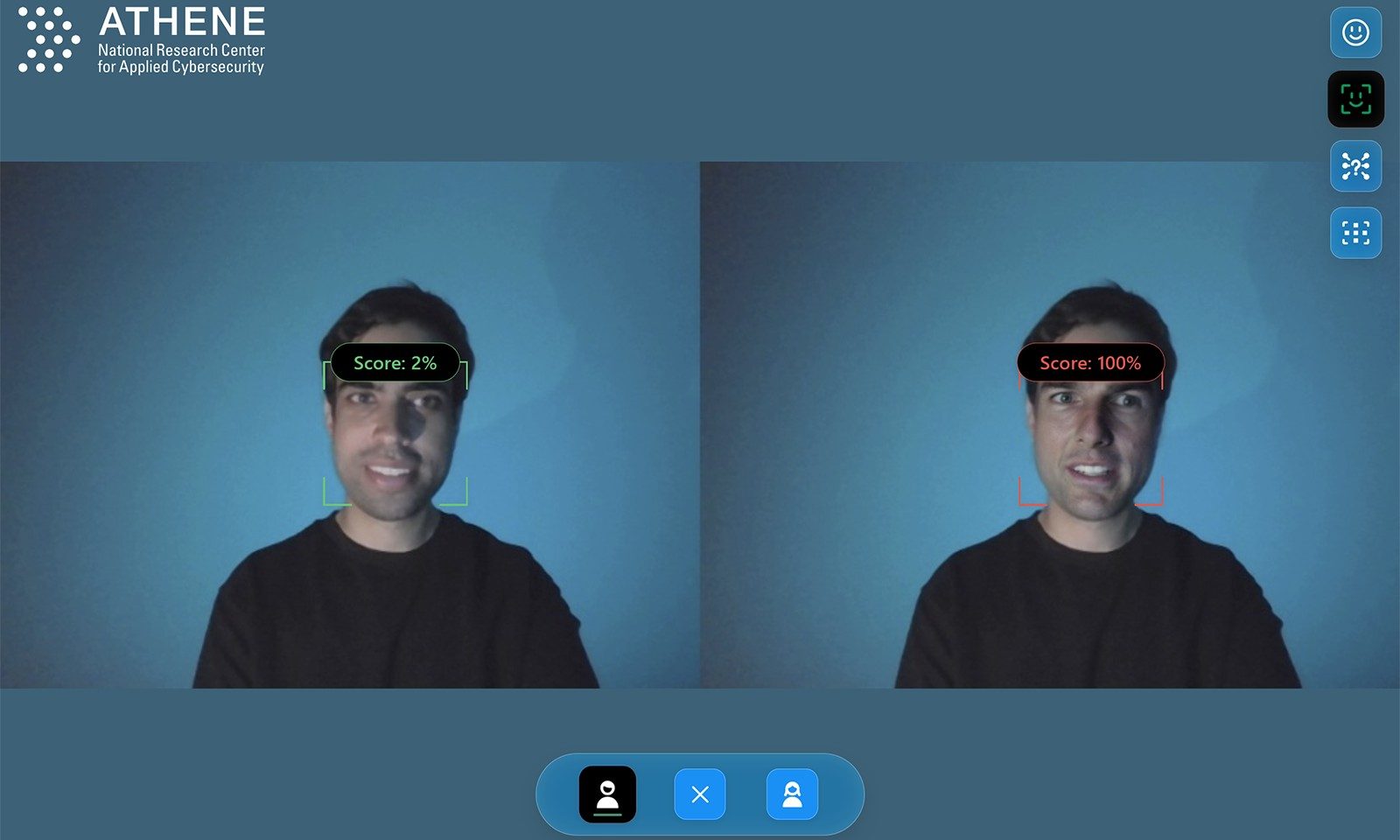
Deepfake bosses are crashing video calls, and researchers are trying to expose them
Seeing your boss on video no longer proves they are real
Researchers at Fraunhofer SIT are fighting against deepfake meeting video calls

Entering into a meeting with your boss and several familiar coworkers inside a video conference is the next area vulnerable to cybercrimes, and it's all because of deepfake technology. Researchers at the Fraunhofer Institute for Secure Information Technology SIT are working on a real-time warning system designed to identify attempted fraud during corporate video conferences.

The report states that criminals are increasingly targeting video meetings for identity theft and financial scams, taking advantage of the trust people place in familiar faces and voices. The intention is to flag suspicious activity while the meeting is still taking place. This gives an employee a chance to stop before following an expensive instruction from an AI-generated executive.

Read more
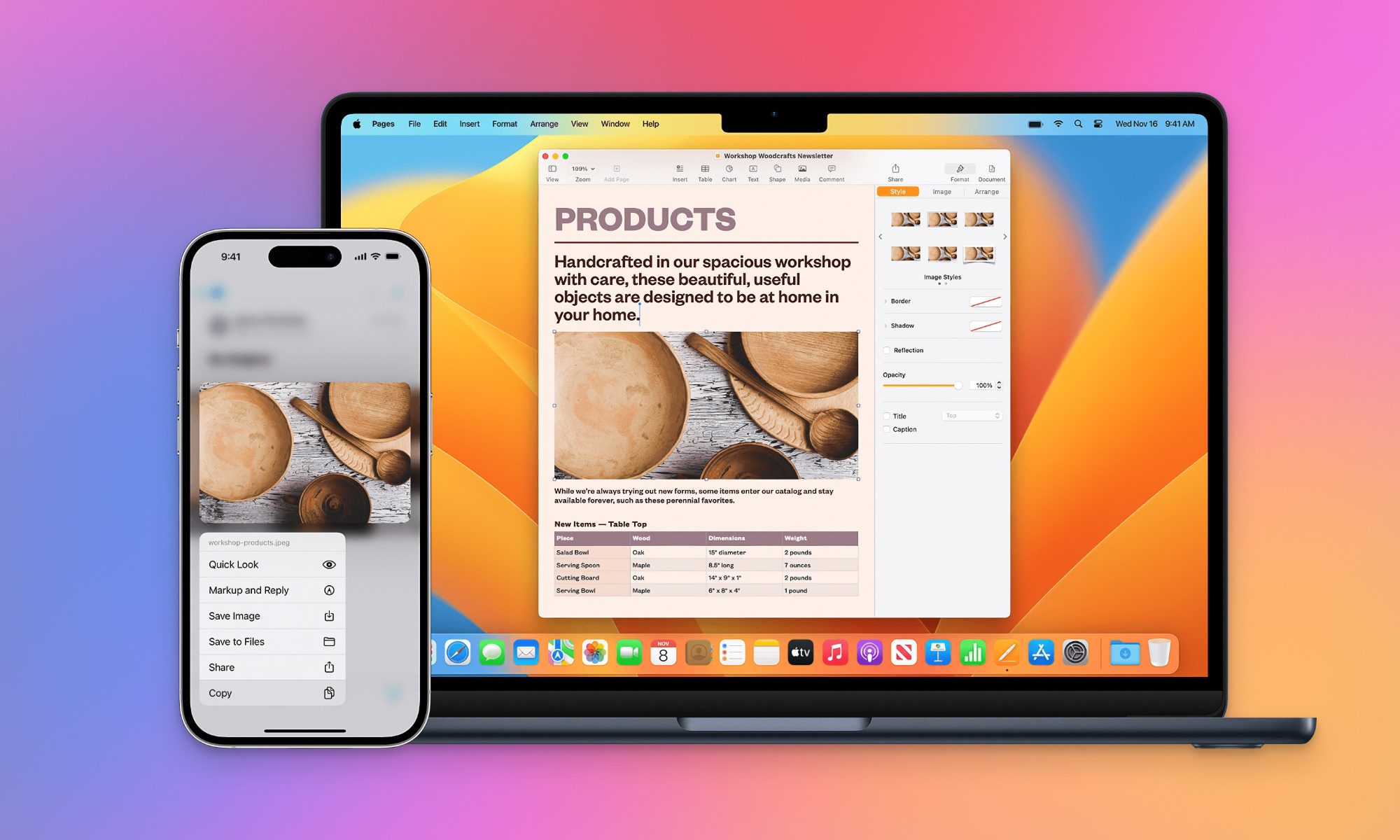
Apple will finally stop making iPhone-to-Windows copy-paste such a chore
Your iPhone may finally copy and paste with a Windows PC like it should
Apple Universal Clipboard feature

Copying something on an iPhone and pasting it onto a Windows PC should be one of the least remarkable features imaginable. While this simple process seems effortless between an iPhone and Mac, Windows users are still left waiting.

Now, Microsoft is formally asking Apple to provide interoperable clipboard access through the company’s European Union interoperability process. The request, submitted on March 25, argues that iOS restrictions prevent third-party platforms from creating an experience comparable to Apple’s Universal Clipboard. Apple has now reached Phase III and committed to developing a solution.

Read more
Chrome wants more extension reviews, but good ratings won’t keep malware out
Google is testing built-in extension review prompts, but good ratings can still hide malware
malicious-google-chrome-extensions-on-web-store

Google is preparing to add extension review links directly inside Chrome, putting feedback closer to the menus people already use to manage their add-ons.

A Chromium change, first spotted by Windows Report, points to review options in the Extensions menu, the chrome://extensions management page, and extension context menus. Only eligible Chrome Web Store extensions in good standing would qualify, and the feature is still under development.

Read more