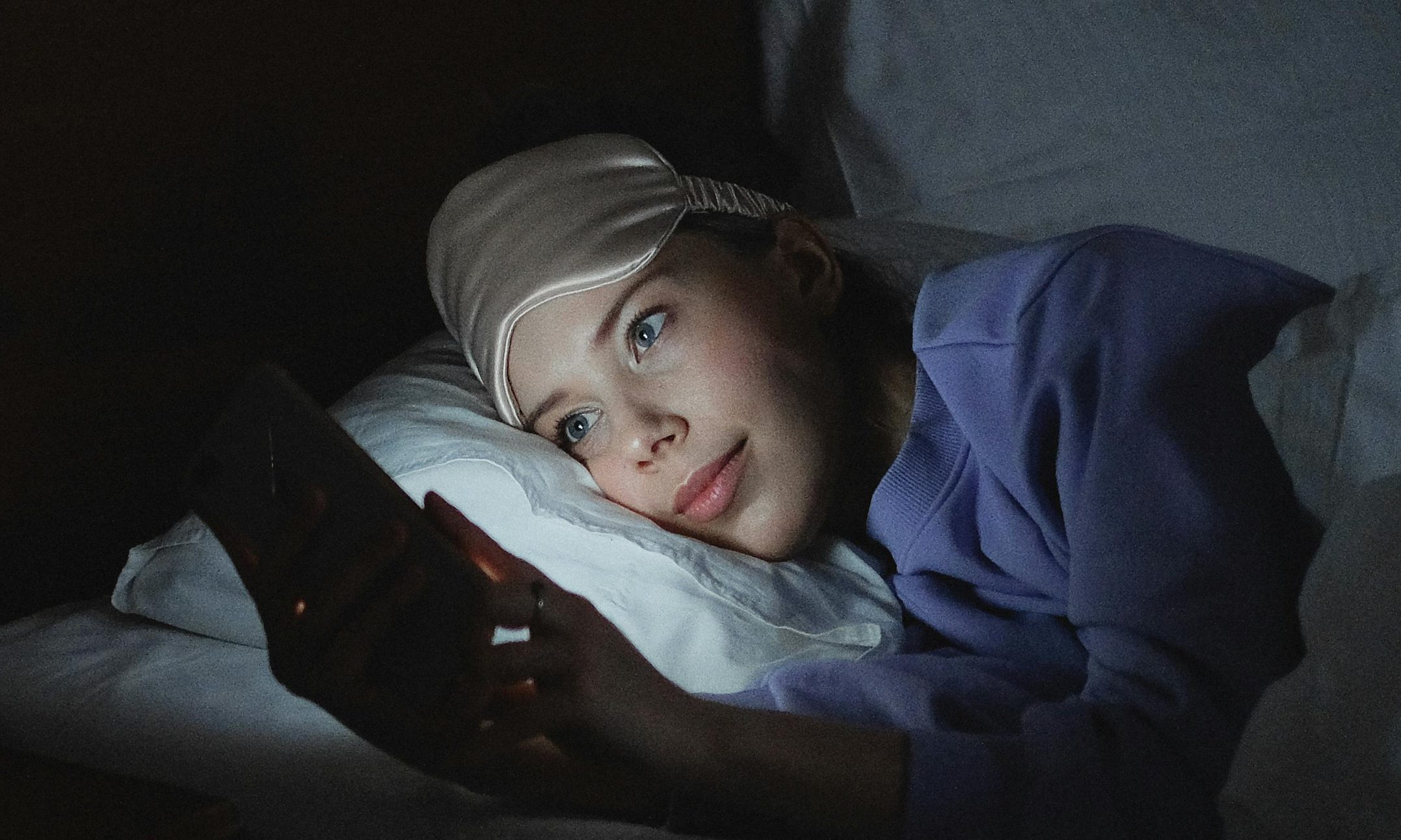
We have slowly grown accustomed to staring at screens in our bed, despite being well aware of the physical and mental harms. A study published earlier this month detailed a 33% higher prevalence of poor sleep quality for people who use electronic devices at bedtime.
Now, another research notes that by viewing a screen in bed, the risks of insomnia go up by a stunning 59% in young people and adolescents. Moreover, it also eats up into our sleep time by 24 minutes. While that is worrying in itself, each hourly increase in screen activity raises the insomnia risks even further.
“The results showed that increased screen time in bed correlates with a higher likelihood of reporting symptoms of insomnia and shorter sleep duration, whereby each additional hour of screen time was linked to a 63% increase in insomnia risk and 24 minutes less sleep,” says the research paper published in the Frontiers Psychiatry journal.
The research focused on over 45,000 students in Norway, studying how their screen usage in bed affected their sleep activities. Aside from sleep and wake-up times, participants also shared details about how long it typically took them to fall asleep, sleep difficulties, daytime sleepiness, and the persistence of their sleep issues.
All these details were used to create an insomnia profile. Insomnia is medically defined as “difficulty falling asleep or staying asleep, or regularly waking up.” According to the American Academy of Sleep Medicine, 12% of US residents suffer from chronic insomnia, while nearly a third of the population shows brief symptoms.
Social media is not the sole culprit
Social media often gets the flak for keeping us hooked to screens, serving us an endless barrage of algorithmically-tuned content, and deservedly so. The result is a cycle of doom-scrolling that often eats up hours without us even realizing the wasted time. Then there’s the health of social media content itself, especially its worrying impact on children.
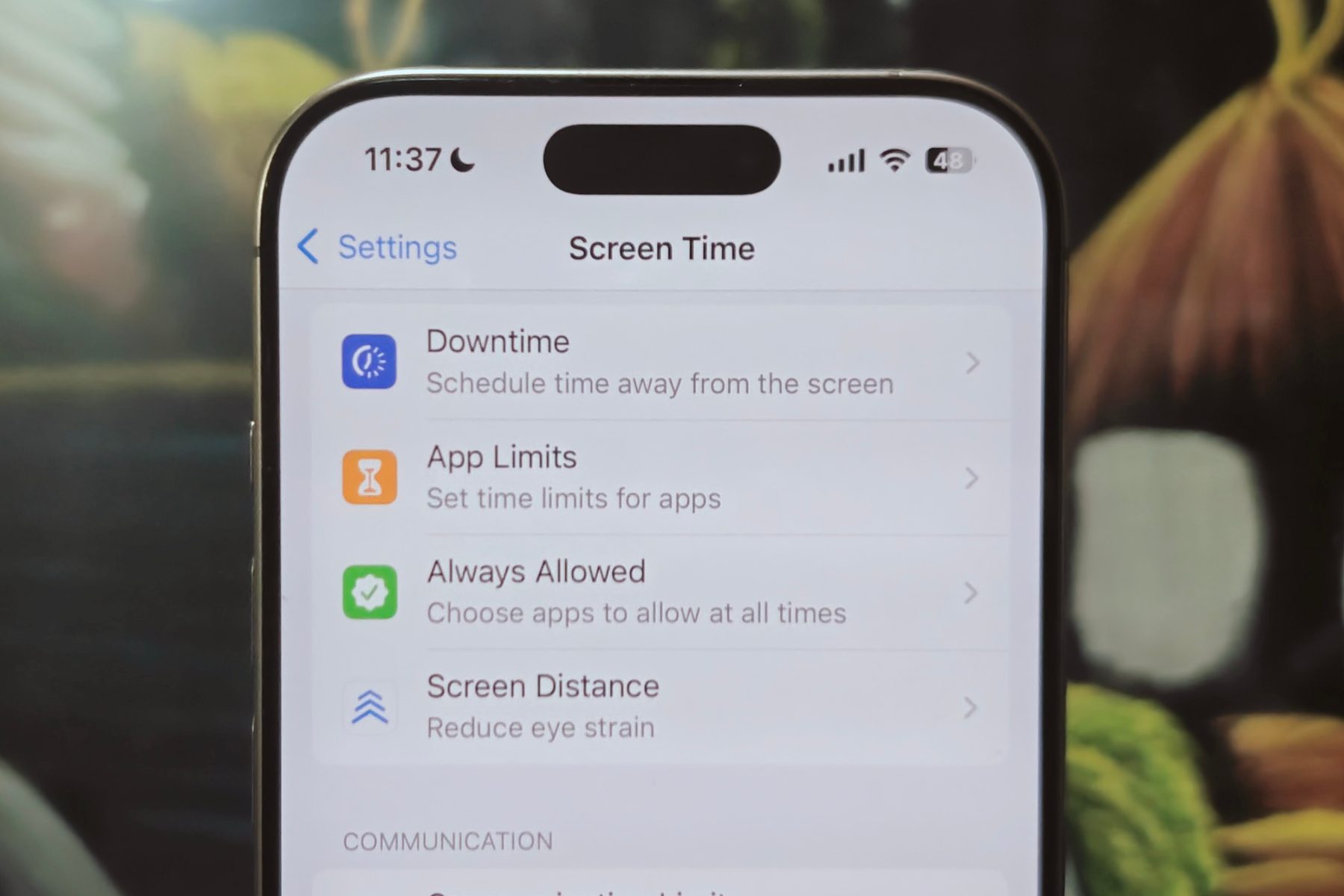
According to the experts, there is no direct relationship between social media and how it affects our sleep. As per the data evaluated by the experts, social media is no more worse than any other screen-based activity, which could be gaming, streaming, web browsing, or any other digital recreation, for that matter.
“Irrespective of screen time, those only using social media had the lowest proportion reporting symptoms of insomnia and the longest sleep duration, while those who only engaged in other screen activities had the worst sleep,” says the research paper.
It is, however, a reality that social media apps are also responsible for the highest number of alerts on smartphones. While they may not directly pull you into spending a few hours watching an endless stream of content, the notifications definitely disturb your sleep or serve as a mental distraction.