Nvidia’s shenanigans surrounding its RTX 50-series graphics cards seem almost never ending. Beyond driver issues, missing ROPs, melting power cables, and supply issues, it seems steadfast in its plans to hide the graphics cards that we all know are going to underwhelm. It didn’t send out review samples for the RTX 5060 Ti 8GB, and now it’s restricting reviewers from testing the upcoming RTX 5060 by not releasing any compatible drivers until launch day.
Nvidia has been shady and underhanded with its handling of the entire RTX 50 series, and it only seems to be getting worse.
Hiding in plain sight
When the RTX 5060 Ti debuted, its 16GB version received generally positive reviews. It was a capable card at a fair-ish price, with enough VRAM to satisfy the needs of gamers and the latest games at 1080p and 1440p resolution. With DLSS upscaling and frame generation support, it was even capable of a little light 4K gaming; An arguable first for an XX60-series GPU from team green.

But that was only the 16GB version. The 8GB version was decidedly worse due to its lack of VRAM and susceptibility to performance issues related to the PCIe generation of the slot it was plugged into. That left it seriously underperforming at higher resolutions, and falling notably behind the 16GB in even 1080p gaming, despite their otherwise comparable specifications. But you’d never have known that before the cards’ launched, because Nvidia didn’t send out any 8GB samples of the card.
It’s now doing the same thing with the RTX 5060, but this time locking reviewers out of testing it by limiting their access to drivers, which is arguably worse. Nvidia now expects them to do unboxings and talk about the card, and even talk about how they can’t test it; And even get us talking about it here. It’s bad publicity for a card that will probably underperform if Nvidia is being this cagey about it, but it’s still publicity.
On top of that, Nvidia is launching the RTX 5060 during Computex, where there will be a lot of other tech-related stories doing the rounds which will help bury any bad launch day coverage.
But for gamers, they’ll see an affordable RTX 50-series card on the shelf, and buy it. Well they better, right? Stock has been so low they’re lucky to even have the chance. And that leaves them making an uninformed decision, leading to potential buyers’ remorse at best, and unplayable games at worst.
Hiding behind fake frames
But this has been the entire saga of the RTX 50-series. Nvidia might be seriously burying the performance of its new 8GB graphics cards in 2025, but it wasn’t forthcoming about the performance or capabilities of any of its graphics cards this generation.
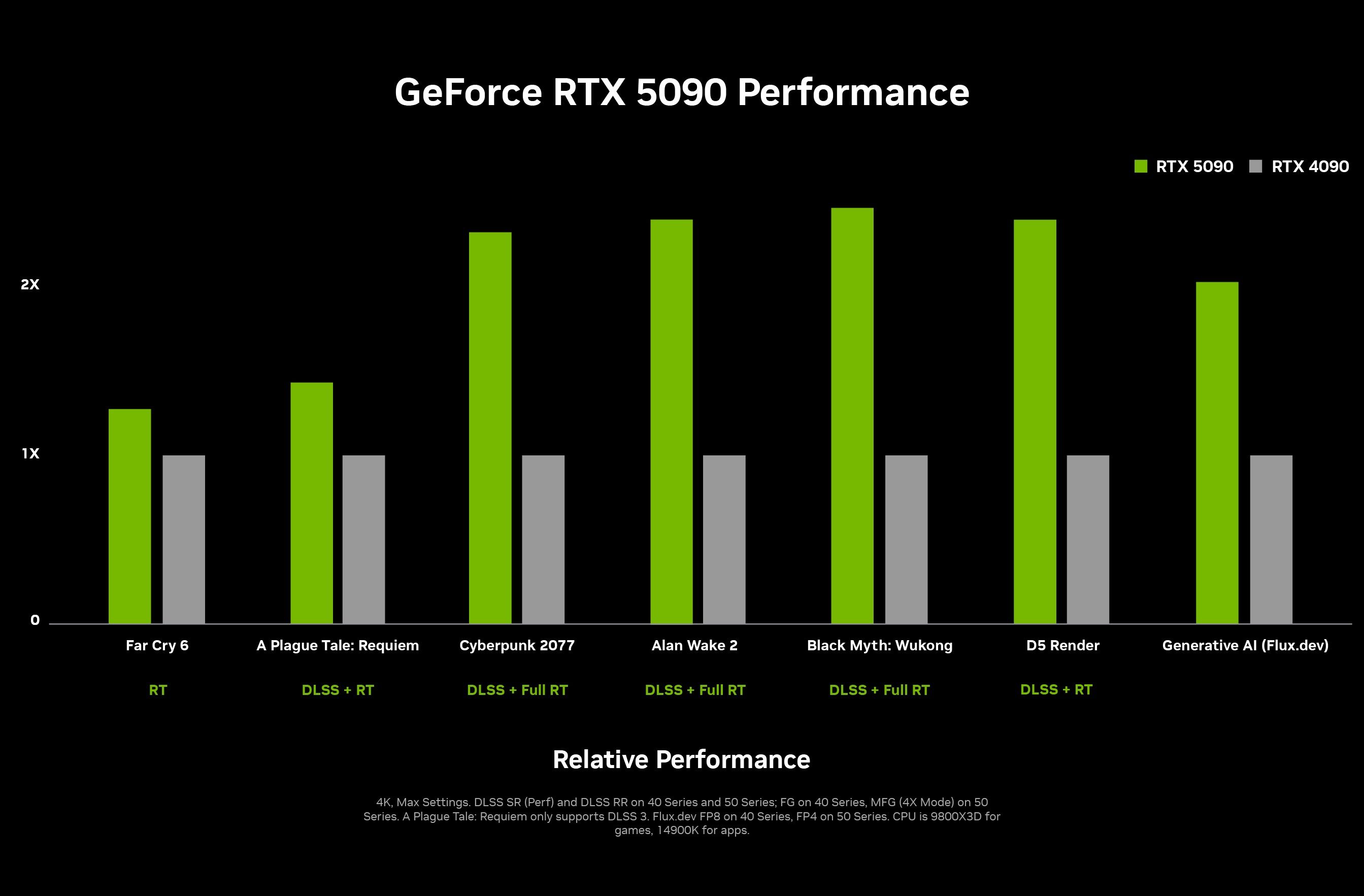
Jensen Huang stood on the stage at CES in January and told the world that the RTX 5090 was twice as fast as the RTX 4090 and that the RTX 5070 could match the performance of the RTX 4090. Neither were even remotely true, with the 5090 performing about 30% faster than the 4090, and the 5070 more like a 4070 Super than a 4090. With multi frame generation in a few select games, sure, these cards could go well beyond their predecessors, but not across a wide range of games or settings. Jensen knew this when he made those claims. And he said it anyway.
Nvidia knows better
That’s the thing that stings about this all, too. Nvidia knows what it’s doing. It knows the 8GB versions of the 5060 Ti and 5060 aren’t going to be up to scratch, but instead of marketing them in ways that highlight this problem but lean into their strengths, it just chooses to hide it. Not even just pretend it’s not a problem, but take active steps to hide it from the gamers who will be disappointed when they buy it and find the games they want to play don’t run as they should.
It knew the performance uplift of the higher-end RTX 50-series cards wouldn’t be that impressive, either. But instead of highlighting the strengths that were there and setting expectations at a manageable level, it overpromised and underdelivered. Because by that point, the cards are already sold out. It doesn’t care.
Nvidia has made it abundantly clear in recent years that its focus is on AI and datacenters, and gaming is just a way for it to fun-wash its sinking reputation. Jensen isn’t cool, his cards aren’t impressing, and Nvidia is being ever shadier about the way it milks what it seems to see as a captive audience.
It knows better and should do better. But at least now, so do we. Skip the RTX 5060 until we can see how it actually plays, and don’t buy anything Nvidia sells on marketing hype alone.