  1. Home
  2. Cars
  3. Emerging Tech
  4. Legacy Archives

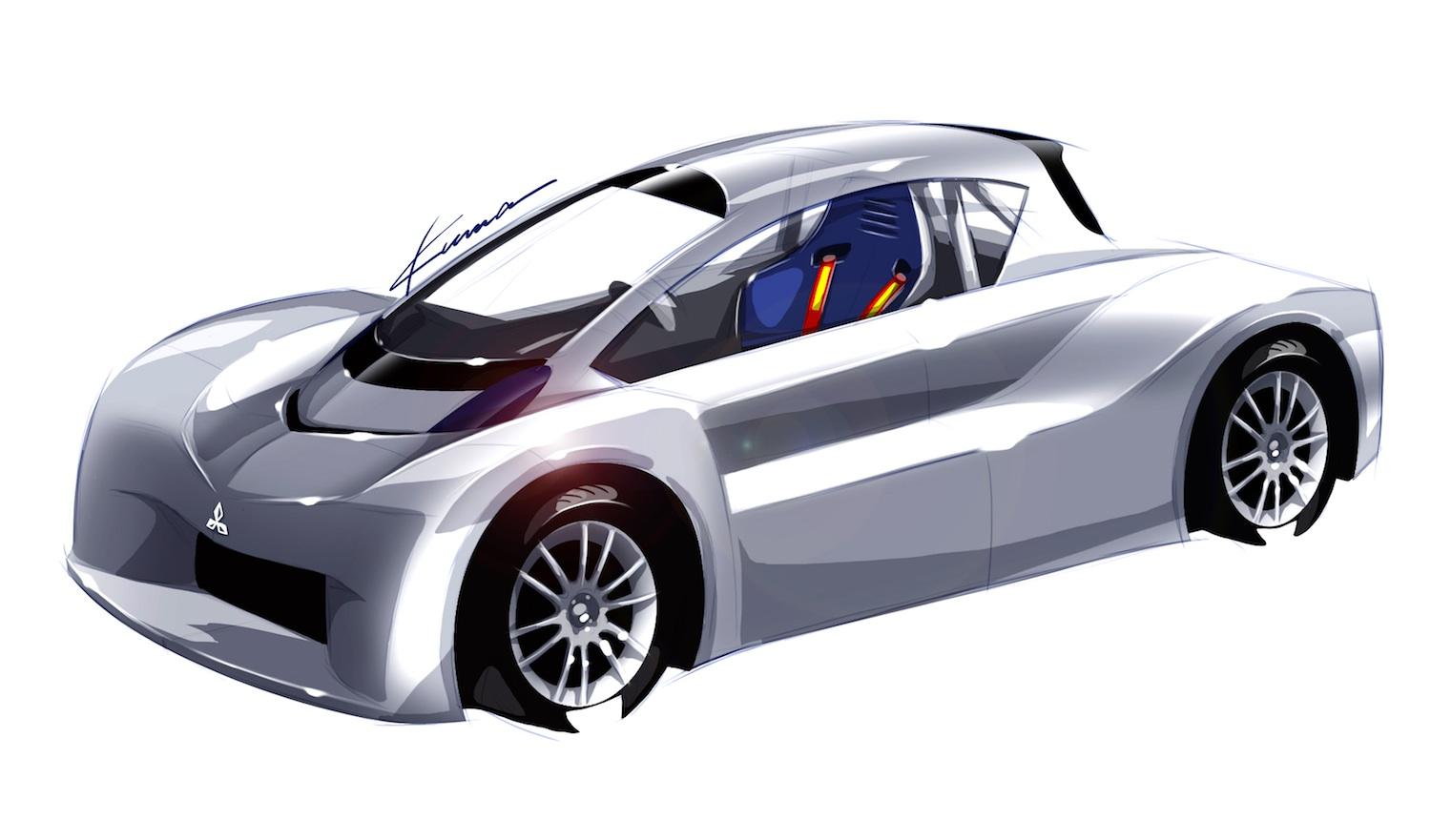
Mitsubishi to race i-MiEV Evolution II at 2013 Pikes Peak powered by high-density lithium-ion batteries *UPDATED*

Add as a preferred source on Google
mitsubishi i racer
Image used with permission by copyright holder

Mitsubishi has revealed to Digital Trends that it will be returning to the Pikes Peak International Hill Climb this year with a new all-electric racecar. Called the i-MiEV Evolution II, it’s based upon last year’s i-MiEV Evolution but with one big distinction: new high-density lithium-ion batteries.

Just like the name indicates, the new batteries allows for a denser composite, which, in turn, allows for greater onboard energy storage in the same compact space. This should give the i-MiEV Evolution II more brute force to get up Pikes Peak twisting road course in less time.

Recommended Videos

In fact, Motor Authority reports that the i-MiEV Evolution II will eclipse last years version’s power output by churning out 536 horsepower over its predecessor’s 321-horsepower.

Motor Authority also reports that the i-MiEV Evolution II will be driven by two-time Dakar Rally champion Hiroshi Masuoka. Joining Masuoka (who came in second place with i-MiEV Evolution last year) in the second car is Greg Tracy, six-time Pikes Peak motorcycle champion.

While the dense new lithium-ions should make for quite a racing show for the Japanese automaker, more importantly, the new technology provides Mitsubishi with valuable data  for its road-going version as well. 

A Mitsubishi product planner has divulged that the next-generation Mitsubishi electric car, called the i-MiEV, will also receive the new dense lithium-ion batteries. While the current i-MiEV is only rated at 62 miles per charge, the new one should see a range well above 100 miles.

While an exact production date is not yet known for the completely redesigned i-MiEV, the product planner said it would be somewhere in the 2015 to 2016 model year range.

Although we pressed for more info, the product planner was embarrassed to have shared so much so soon. We’ll try to get more info for you soon so check back.

Nick Jaynes
Former Automotive Editor
Nick Jaynes is the Automotive Editor for Digital Trends. He developed a passion for writing about cars working his way…
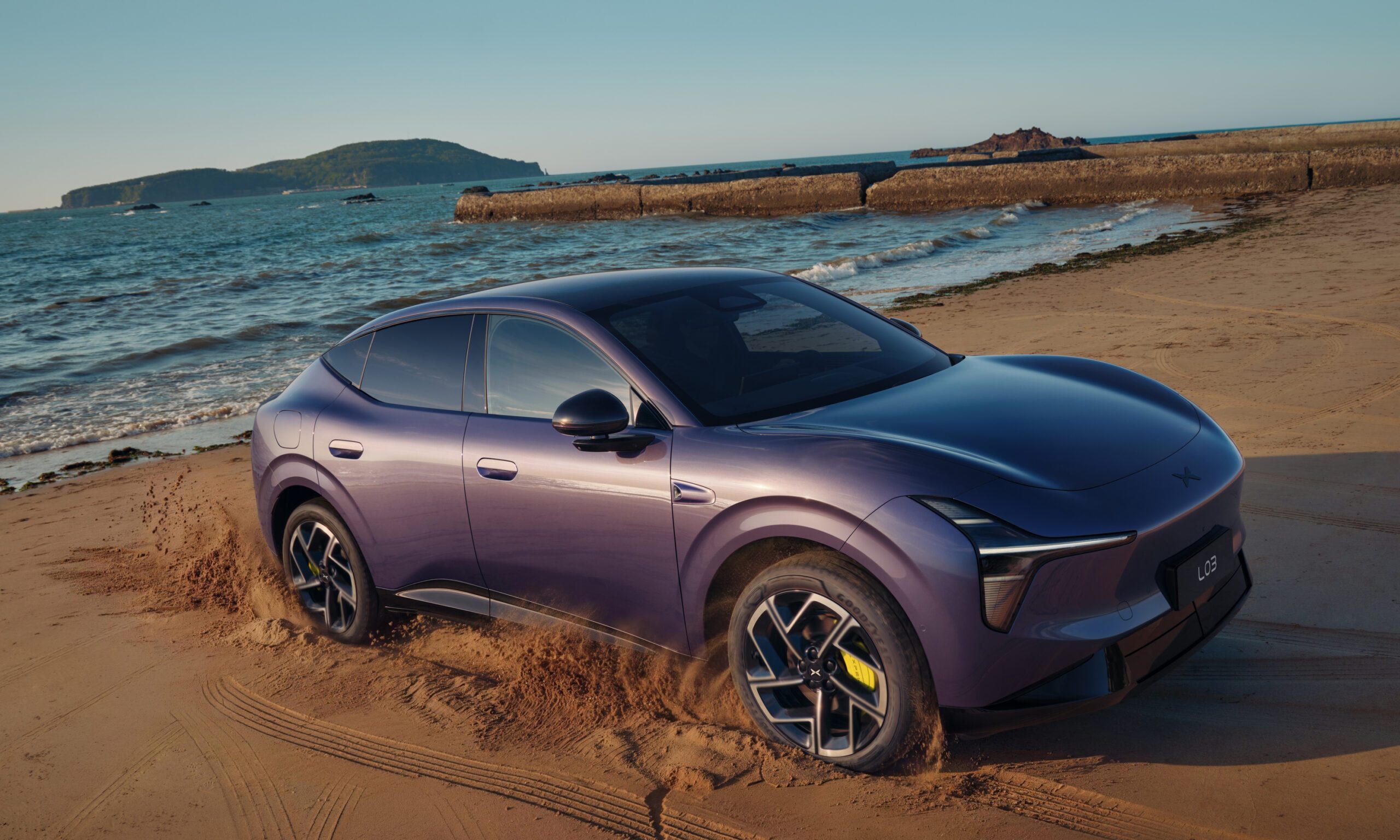
This sleek Chinese EV pairs supercar styling with three AI brains
The Xpeng L03 is an AI supercomputer disguised as a stylish family SUV
Xpeng L03

Xpeng’s latest electric vehicle carries enough processing power to make the term "smart car" actually sound more realistic than it actually is. The new Xpeng L03 debuted simultaneously in Europe and China on July 16, with the company presenting it across 65 markets. Available as a fully electric vehicle and an L03 Power X range-extender, the coupe-SUV is Xpeng’s most internationally focused model so far. Market-specific prices and sales dates remain unannounced.

Three AI chips and Google Maps built right in

Read more
A new sodium battery posts wild four-minute charging numbers, but don’t expect it in an EV yet
The breakthrough could improve fast charging and battery life, but the study hasn’t demonstrated those results in a production-sized pack
EV Charger

A new sodium-metal battery has posted a charging number that makes today’s EVs look painfully slow. In laboratory testing, the cell operated at a 15C rate, equivalent to completing a charge or discharge in roughly four minutes.

That doesn’t mean researchers plugged in an electric car and watched it fill up before the driver finished buying coffee. The result came from a small experimental cell using a new quasi-solid electrolyte, while the larger pouch-cell prototype delivered far less dramatic performance.

Read more
The Apple Car may be dead, but it became the foundation of Apple Intelligence
A decade of work on a canceled car project reportedly laid the groundwork for Apple Intelligence.
Apple Intelligence in Apple Car

The Apple Car may have never left the garage, but it apparently gave birth to Apple's AI ambitions. According to Bloomberg's Mark Gurman, Apple's canceled autonomous vehicle project, one that consumed more than a decade of work and over $10 billion before being scrapped in 2024, ended up laying the technological foundation for Apple Intelligence. In a rather ironic twist, one of Apple's most expensive failures may also become one of its most important long-term investments.

The Apple Car forced Apple to think like an AI company

Read more