There’s been no official information about the PS6 as of yet, but as the saying goes, where there’s smoke, there’s fire. And there’s so much smoke surrounding Sony’s next console generation that I can’t even see the end of my nose.
The PS6 is coming, make no mistake. We might not know the price or exactly how powerful it will be, but there wouldn’t be all these leaks, rumors, and direct hints from Sony itself if it weren’t cooking up a new piece of hardware. But based on new statements and examining Sony’s current business strategies, the most staunch PlayStation fans might have to come to terms with a very different generation than we had with the PS5.
Expanding the community
PlayStation has been pushing the boundaries this past generation in ways it never had before. Throughout most of the PS4 lifecycle, PlayStation built its reputation and fanbase on the backs of AAA exclusives and a healthy dose of experimental titles and third-party partnerships. This was a time when exclusives were king, fueling the so-called “console wars” that divided communities based on who had access to what games.
Exclusives are no longer what they used to be, and only Nintendo has managed to fully reject the idea of embracing a more multi-platform approach so far. Xbox has gone all-in, as we know, but PlayStation so far has been taking a measured approach with its PC strategy, and only just dipping its toes into the Switch and Xbox ecosystems.
For anyone who loves gaming, this is nothing but good news. After all, more people being able to play more games is only a good thing, right? Sadly, there are still a few holdouts who prefer keeping exclusives locked to one platform for whatever reason. I won’t attempt to speak for those people as to why that is the case, but they do make up a vocal portion of the PlayStation fanbase.
These are the ones who are most likely to feel burned when the PS6 generation kicks into gear.

The major quote making the rounds comes from Sony Senior Vice President Sadahiko Hayakawa, who spoke during the latest financial meeting in August: “In the gaming business, we are moving away from a hardware centric business model more to a platform business that expands the community and increases engagement.”
This quote both says very little and speaks volumes about PlayStation’s strategy. Terms like expanding community and increasing engagement are typical buzzwords and phrases that tend not to mean much when coming from executives, but in the context of the entire quote, mean much more. Moving away from a “hardware centric business model” indicates that the PS6 as a box won’t be the main driver for PlayStation as it always has been. Consoles have always been the gateway into the PlayStation ecosystem, which has evolved from just games to include services like PS Plus, live-service games, and the entire PSN store. That same report goes on to talk about how they have an estimated 123 million monthly active users (MAUs) currently, and are generating nearly 50% more revenue from content and services compared to 2019.
While not detailed in this report, I think it is safe to assume that a fair bit of those new MAUs are coming from PC players who are creating PSN accounts to play PlayStation games on that platform. I’m sure the PS4 and PS5 numbers dominate the bulk of users, of course, but I think Sony is finding a lot of growth in an audience that isn’t interested in purchasing its box.
We’re already seeing the early moves toward a more console-agnostic PlayStation, if only in baby steps. It has been playing it very safe with first-party PC ports coming a year or so later, but third-party exclusive deals are either coming to PC much sooner or not skipping the platform at all. Second-party games like Helldivers 2 appeared on PC right away, and is even heading to Xbox in a previously unprecedented move. I don’t see a first-party game going to Xbox in the near future, but who knows what things might look like when the PS6 comes around. I’d guess it would look a lot like the PC strategy, at least to start, where a year or two later games come to Xbox, but as games keep getting more expensive to make and profit margins keep thinning, PlayStation may not be able to afford to wait.
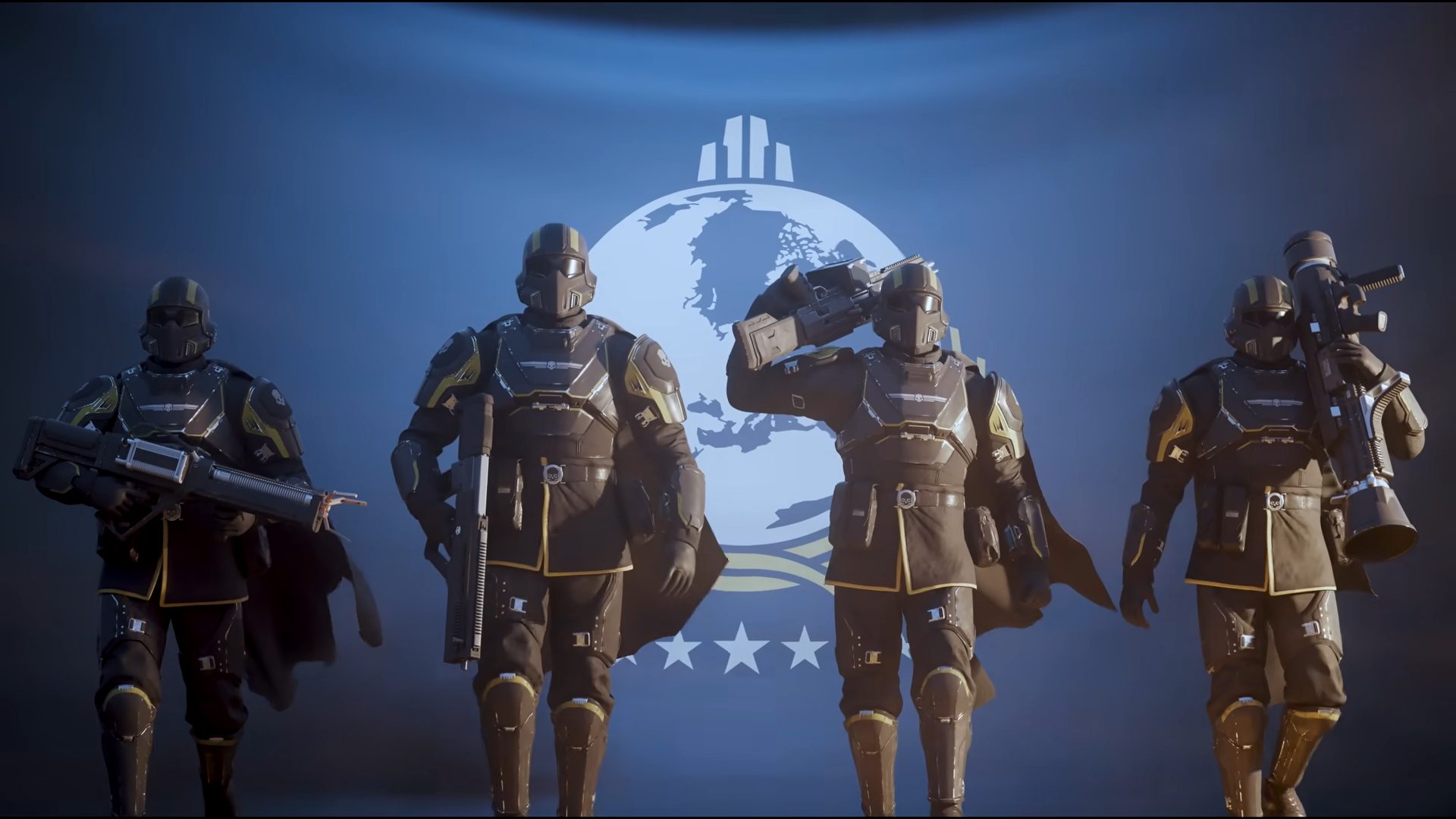
That’s backed up by a later quote, which states that “In our studio business, our live service game revenue is steadily growing thanks to the MLB The Show series, Destiny 2 and Helldivers 2, and it contributed more than 40% of our first-party software revenue during the quarter.” There’s some important context left out here, which is mainly that this report was for the three months leading up to June 30, meaning that there were no new first-party software releases during that time. Death Stranding 2 is in a weird situation, but even if I counted that, it came out just four days before this report and wouldn’t be representative of its full sales potential.
Either way, the focus on highlighting the growth of live service games clearly shows that PlayStation isn’t backing down from this route. Concord taught them a lesson, but didn’t scare them off completely. Instead, it looks like it reinforced that it is a matter of quality over quantity, as demonstrated by the cancellation of several projects and the delay of Marathon. And if there’s any game that needs to be cross-platform, it’s live service games.
AAA single player titles will still be core to PlayStation’s identity, but it won’t be its backbone.
All this is still speculative, but everything we have been seeing over this generation, along with these statements, is looking and sounding a lot like how Xbox was talking not so long ago. I doubt the shift will be as sudden as it was for Xbox, but I think we’re seeing the gears turning for a turning of the ship toward PlayStation as a platform, not a console. That might be a tough pill to swallow for fans who cling to the old days of holding PlayStation exclusives over the heads of Xbox and Nintendo fans, but it is a better move for players and PlayStation as a business.