  1. Home
  2. Emerging Tech
  3. Mobile
  4. Legacy Archives

Dead battery? NYC introduces solar-powered phone charging stations around the city

Add as a preferred source on Google
street_charge
Image used with permission by copyright holder

Every moment, innumerable phones die around the country. But today, a few of them in New York City will be saved. A renewable energy company named Goal Zero is collaborating with AT&T and Brooklyn-based design studio Pensa on a new, eco-friendly solution for such a dilemma: public, solar-powered charging stations. 

The stations, called Street Charge, have a sleek modern design, courtesy of Pensa. Goal Zero’s top-of-the-line solar panels, which sit atop a tall poll, branching out much like helicopter propellers, power these chargers. Each station has three small tables to rest your phone on while it charges and, best of all, you won’t even have to worry about having a charging cable with you. There will be both built-in USB ports as well as charging tips to plug your device into. 

Recommended Videos

“We’re excited to team up with AT&T and Pensa to help make New York a little greener and solar power a little more accessible,” said Goal Zero’s president and CEO, Joe Atkin. “All too often we hear the dreaded low-battery beep and it happens at the most inconvenient times. Street Charge will fix that.” 

If this all sounds familiar to you, it’s possible you saw an earlier prototype, which was tested out last summer in Dumbo, one of Brooklyn’s riverside neighborhoods. But this year, they’ll be spreading much farther. The stations debuted today in Brooklyn’s Fort Greene Park and, as summer progresses, more stations will be added all around the city, specifically in pedestrian-heavy areas. You can expect to see them at Brooklyn Bridge Park, Coney Island, Central Park (at the Summerstage), Governor’s Island, Hudson River Park, Randall’s Island, Riverside Park, Rockaways, and Union Square. 

Joshua Pramis
Spending a childhood engrossed in such technologically inspiring television shows like Voltron, Small Wonder, and Power…
Samsung’s humanoid robot ambitions are real, but factories come first
Samsung’s new robotics division has humanoids in its sights, although its immediate business is far more practical factory automation
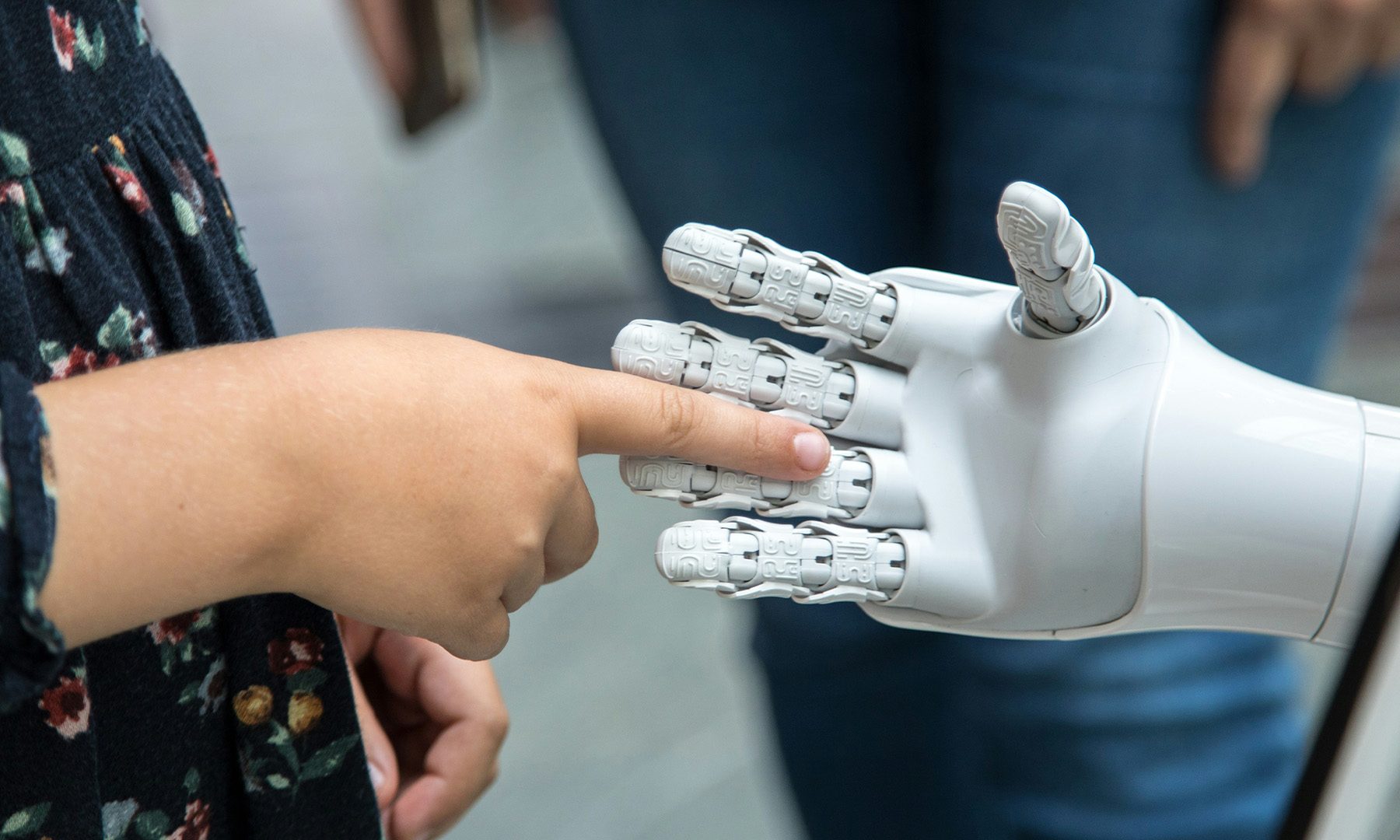
Robot Touch Human Finger

Samsung wants a place in the humanoid race, but its new robotics push begins with machines built for factories rather than homes.

The CEO-led RX robotics division will initially focus on manufacturing robots. Samsung has separately identified humanoids as a priority, although it hasn’t announced a commercial model or explained where one fits into the division’s immediate plans.

Read more
The future of AI may depend on this one behind-the-scenes change
Running Claude on Android.

Whenever a new AI model arrives, it's easy to get caught up in the bells and whistles. We talk about how much smarter it is, how quickly it answers questions, or how realistic its images have become. But here's the thing: none of that matters much if the AI can't reliably work with the apps and services people use every day.

That's why an upcoming update to the Model Context Protocol (MCP) caught my attention. It isn't a new chatbot or a fancy AI model. In fact, most people will never even know it's happening. But it could quietly make the AI ecosystem a lot healthier. If you've never heard of MCP before, don't worry. Think of it as a shared language that lets AI assistants safely talk to apps like Gmail, Slack, calendars, databases, and countless other services. Instead of every company inventing its own way to make those connections, MCP gives everyone a common rulebook.

Read more
The AI game-dev boom has a dark side: fewer jobs for the people starting out
Solo creators are thriving with tools like Claude Code and Copilot, but entry-level game roles are disappearing.
Man playing a video game on a desktop with glowing red and blue lights

AI is making it easier than ever for a single person to build a game. That sounds like a win for creativity, and in many ways, it absolutely is. But there is a catch. As generative AI tools help solo developers and small studios do more with fewer people, the same shift is making life tougher for writers, artists, concept creators, and junior programmers trying to break into the gaming industry.

AI is giving solo developers superpowers

Read more