1. Home
  2. Photography
  3. Legacy Archives

How a mysterious Chicago nanny became one of the most important street photographers

Add as a preferred source on Google

Throughout history, many of the world’s greatest artists never achieved tremendous fame until after their death. That’s the case of Vivian Maier, who’s now considered to be one of the most important American street photographers of the last century, alongside famous names like Diane Arbus and Henri Cartier-Bresson. But she remained unknown for much of her life, and it was only a chance encounter with a box of negatives that put her in the spotlight.

Untitled, Self-Portrait (Maloof Collection)
Vivian Maier, “Untitled, Self-Portrait” (Maloof Collection) Image used with permission by copyright holder

Details of her life are murky, but she was born in New York City in the 1920s to European parents. Maier grew up in France before returning to the U.S., where she spent several decades working as a nanny in Chicago to wealthy families. During her days off Maier is thought to have taken more than 100,000 photographs of people and city scenes in Chicago, yet she kept the photos to herself – many of them never developed.

Recommended Videos

Skip ahead to 2007, a Chicago historian and collector, John Maloof, stumbles upon Maier’s work by accident after purchasing a box of tensof thousands of undeveloped negatives for $380 at an auction. As he developed them, Maloof realized they were more than just photos. He was looking at evocative art depicting a Chicago of the mid-20-century that nobody had never seen. Maloof worked to uncover who the photographer was, acquiring more and more of her work. But before he could locate her, Maier had already passed away in 2009, having slipped on ice and never recovering from her head injury.

While Maloof researched Maier’s work, more details emerged. She kept to herself, her employers said, and she would spend her free days taking photos on the streets of Chicago with a Rolleiflex camera. According to Maloof, the children Maier took care of knew she was constantly taking photos, yet she never showed her photos to anyone. Maier also traveled around the world, as indicated by some of her photos.

Other collectors began to acquire Maier’s photos, but Maloof owns much of her work. He released a book, Vivian Maier: Street Photographer, in 2011, and his documentary, Finding Vivian Maier, came out this year.

(Via WebburgImages via Maloof Collection)

Les Shu
Former Senior Editor, Photography
I am formerly a senior editor at Digital Trends. I bring with me more than a decade of tech and lifestyle journalism…
Fujifilm Instax Mini 13 review: This instant camera won me over with its no-frills retro charm
From printing instant memories to rediscovering the fading charm of polaroids, Fujifilm's camera offers a budget route to a simple indulgence.
Fujifilm Instax mini 13 camera.

See at Amazon

Quick review

Read more
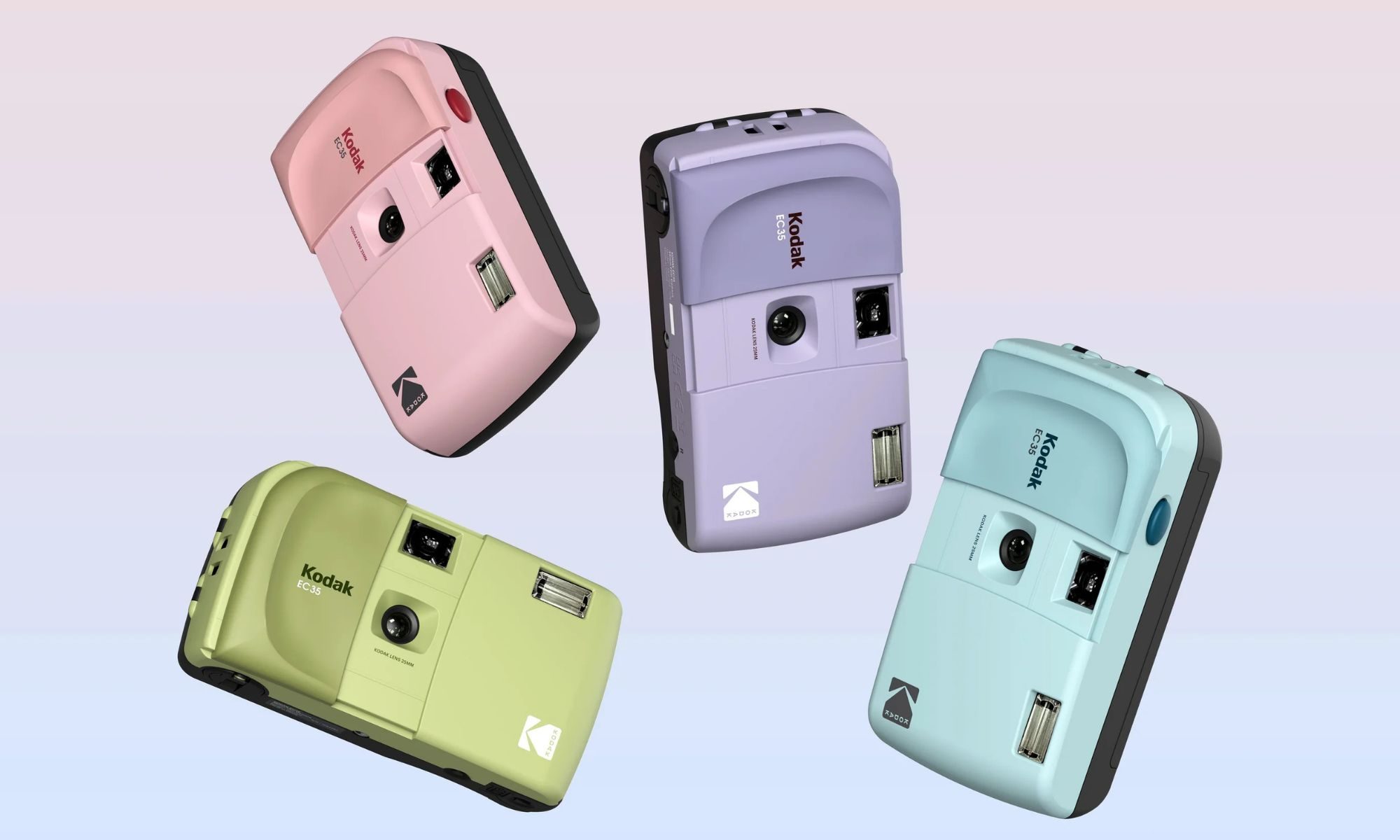
Want to try film photography? Kodak’s new $35 camera is a great place to start
This retro inspired Kodak EC35 camera keeps film photography refreshingly simple.
Kodak-EC35

If you've been curious about film photography but didn't want to spend a fortune, Kodak has a new camera worth checking out. The new Kodak EC35 is a reusable 35mm point-and-shoot camera that costs just $34.99, making it one of the most affordable ways to try shooting on film.

Developed by Reto Project under the Kodak brand, the EC35 keeps things simple with a lightweight design, automatic flash, and a pocket-friendly body. It also arrives as interest in analog photography continues to grow, offering beginners an inexpensive alternative to disposable film cameras.

Read more
The FCC’s latest crackdown could put more than DJI drones at risk in the US
Robot, Person, Face

DJI may have found creative ways to keep some of its products flowing into the US, but those efforts are now drawing increased attention from regulators. According to The Verge, the US Federal Communications Commission (FCC) has started cracking down on several companies it believes could be helping DJI continue selling products in the country. These businesses have been described by industry observers as "DJI front companies" because they market or import products that appear to be closely tied to the Chinese drone maker while operating under different brand names.

DJI's alleged back door may be closing

Read more