1. Home
  2. Emerging Tech
  3. News

New law demands AI Chatbots play nice or face legal action

Chatbots are getting a digital time-out thanks to California

Add as a preferred source on Google
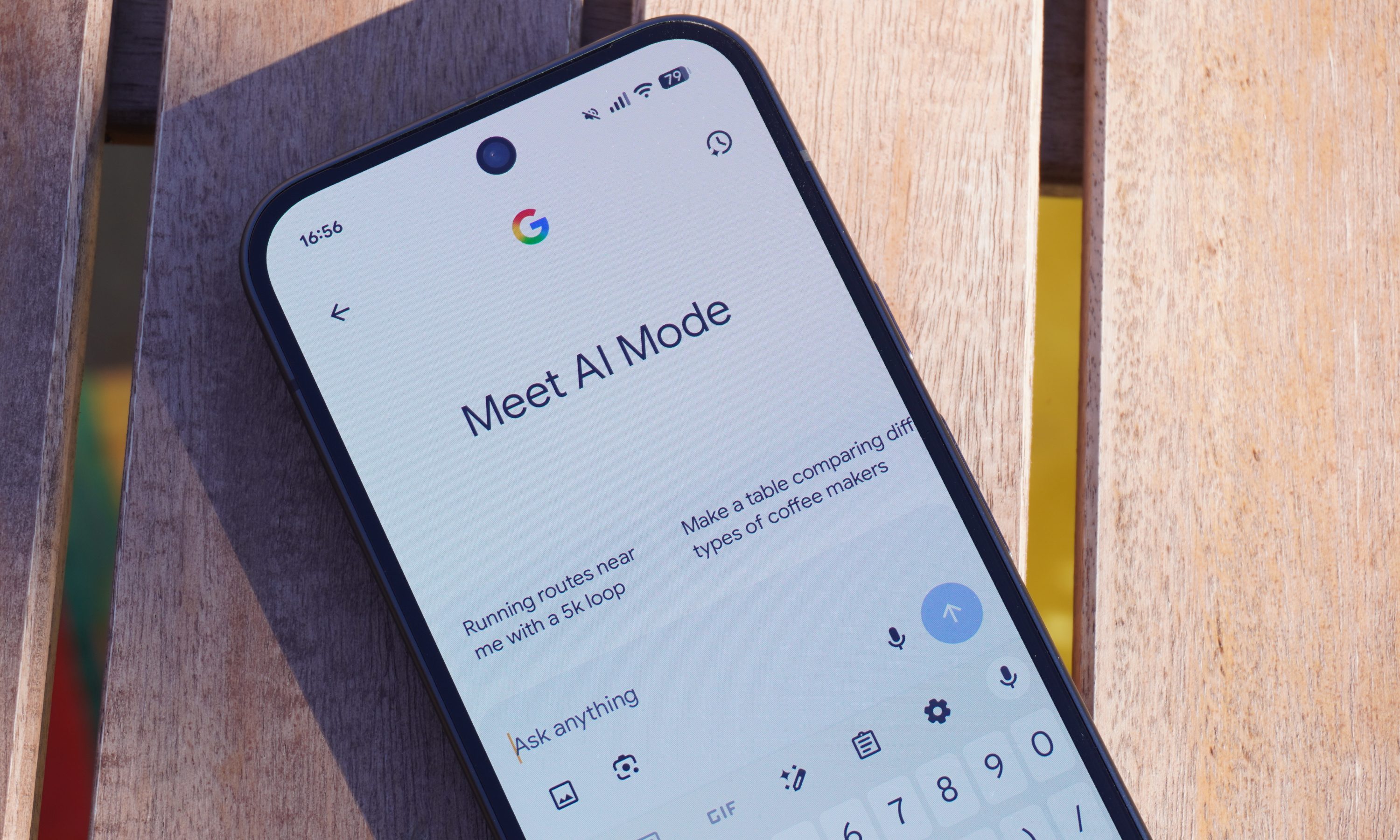
Chatbot on a smartphone.
Nadeem Sarwar / Digital Trends

What happened: California is finally stepping in to regulate those AI companion chatbots. Governor Newsom just signed a new law, making it the first state in the country to do so.

  • Starting in 2026, companies like Meta, Character AI, and Replika will have to follow strict safety rules, especially when it comes to protecting kids and vulnerable users.
  • This was pushed forward by some truly heartbreaking stories, including teens who died by suicide after having disturbing conversations with these bots.
  • Now, the law says these companies have to verify ages, have a plan for when someone talks about self-harm, and make it crystal clear you’re chatting with an AI, not a real person.

Why is this important: Let’s be real, the big worry here is how these AI chatbots are getting so good at mimicking human friendship, especially for people who are feeling lonely or vulnerable.

  • We’ve seen links to self-harm, misinformation, and exploitation, so it was time for someone to act.
  • This isn’t happening in a vacuum, either—the federal government is also taking a hard look at how these companies are designing and making money off these AI friends.
Why should I care: If you’re a parent, this is a huge deal. This law is all about putting some guardrails in place for how these chatbots can interact with your kids.

  • It means more transparency and safety, and hopefully, it stops manipulative or dangerous conversations before they start.
  • For the rest of us, it’s a massive step toward making sure these big tech companies are actually held responsible for the things they create.
Recommended Videos

What’s next: So, what happens from here? Well, this isn’t just a California story. The federal government is already looking over the shoulders of these big tech companies, making sure they’re playing by the rules when it comes to kids’ safety.

You can bet that officials in every other state are watching this closely. This new law could easily become the model for the rest of the country, setting the stage for a national standard. It’s likely to completely rewrite the rulebook for how these AI companions are built and who keeps an eye on them from now on.

Moinak Pal
Moinak Pal is has been working in the technology sector covering both consumer centric tech and automotive technology for the…
Meta’s Brain2Qwerty v2 turns thoughts into text, and it doesn’t need brain implants
The latest AI model decodes brain signals into coherent sentences using external scanners.
Meta Brain2Qwerty v2 Featured

Artificial intelligence is getting surprisingly good at understanding humans. Now, Meta wants it to understand our brains too. The company has unveiled Brain2Qwerty v2, an upgraded AI system that can translate brain activity into full sentences, all without requiring brain implants or surgery. The goal isn't mind reading for the masses. Instead, it's to help people who have lost the ability to speak communicate again.

How a Brain-powered keyboard works

Read more
AI chatbots can often feed into your delusions. Researchers say you should look for three signs
Experts warn that chatbot design choices can reinforce unhealthy beliefs in vulnerable users.
ChatGPT on a smartphone

Artificial intelligence chatbots have become incredibly good at sounding human. But a new review paper by psychiatrist Marc Augustin and fellow researchers Thomas A. Pollak and Helen Morrin, published in NPP—Digital Psychiatry and Neuroscience, argues that existing AI research points to an overlooked psychological risk. The paper, highlighted by The Wall Street Journal, reviews previous studies and proposes a framework explaining how three common chatbot behaviors can combine to reinforce delusional thinking in vulnerable users, creating what the authors call an "amplification spiral."

Researchers say these are the three warning signs

Read more
Lost access to your crypto wallet? Don’t Google your way out of it
Security researchers warn that fake recovery tools are becoming the latest trap for crypto owners.
Bitcoin crypto wallet featured

Forgetting the recovery phrase to a crypto wallet can be stressful enough. Unfortunately, that's exactly the moment scammers are waiting for. A new warning highlights a growing scam in which cybercriminals disguise malware as cryptocurrency recovery software, tricking desperate users into handing over far more than just access to their wallets.

The fake recovery tool that's actually malware

Read more