1. Home
  2. Computing
  3. Legacy Archives

DRAM price fixing lawsuit settles for $310M

Add as a preferred source on Google

It’s over! The class-action lawsuit against DRAM manufacturers concerning sales of DRAM and tech powered by it around the turn of the century has been settled for $310M. The suit developed after evidence suggested that a large number of DRAM-makers, including Samsung, Toshiba, Mitsubishi, and Hitachi, may have colluded to fix their product’s value, inflating the prices of a wide range consumer products including computers, printers, graphics cards, servers and other tech. Most of the settlement ($200M) will be used to pay damages to business and consumers who purchased items built using DRAM. 

Long story short: Anyone who bought anything with DRAM in it between January 1, 1998 and December 31, 2002, may be entitled to some money. 

Recommended Videos

Interestingly, the settlement only applies to customers who purchased products with DRAM in them and people who purchased DRAM for PCs from a third party. DRAM purchased directly from a manufacturer does not qualify. According to the DRAM Claims website, consumers don’t need proof of purchase to file a claim, but may be asked for it eventually. They advise consumers to “save any documentation/proof that you may still have.”

It’s worth noting that the payout for an average consumer could range wildly depending on the number of people who come looking for their share. If less than 2.5 million claims are filed, each person or business will get at least $10, depending based on what they bought.

The deadline to file for a piece of the settlement pie ends August 1.

Mike Epstein
Former Associate Editor, Gaming
Michael is a New York-based tech and culture reporter, and a graduate of Northwestwern University’s Medill School of…
Topics
This cross-device clipboard app solves the copy-paste problem I keep running into on my Mac
ClipboardAI keeps a searchable history of everything you copy
Text, Electronics, Mobile Phone

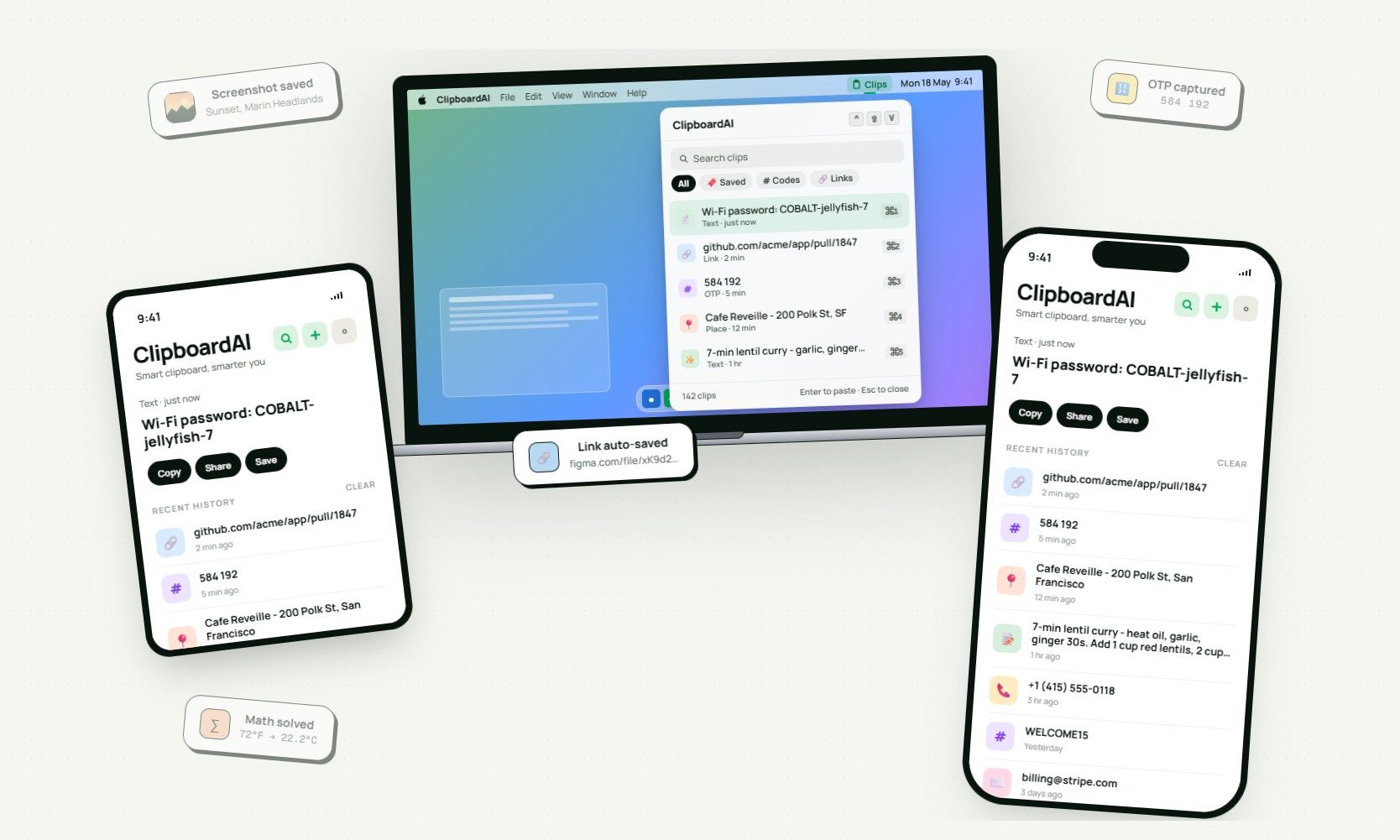
I have lost count of how many times I have copied something important, copied another thing before pasting it, and then realized the first item was gone. It is a small frustration, but it happens often enough to become annoying. I recently came across ClipboardAI, which caught my attention because it goes beyond Apple’s built-in clipboard by saving copied items into a searchable history.

Instead of replacing the last thing you copied every time, ClipboardAI keeps a searchable record of copied text, links, codes, email addresses, phone numbers, addresses, and images across iPhone, iPad, and Mac. That means an older clip does not disappear just because you copied something new.

Read more
If you miss the feel of paper in the digital age, this app gives your Mac’s screen a textured look
A paper-like screen overlay could make long work sessions feel less harsh.
Advertisement, Poster, Electronics

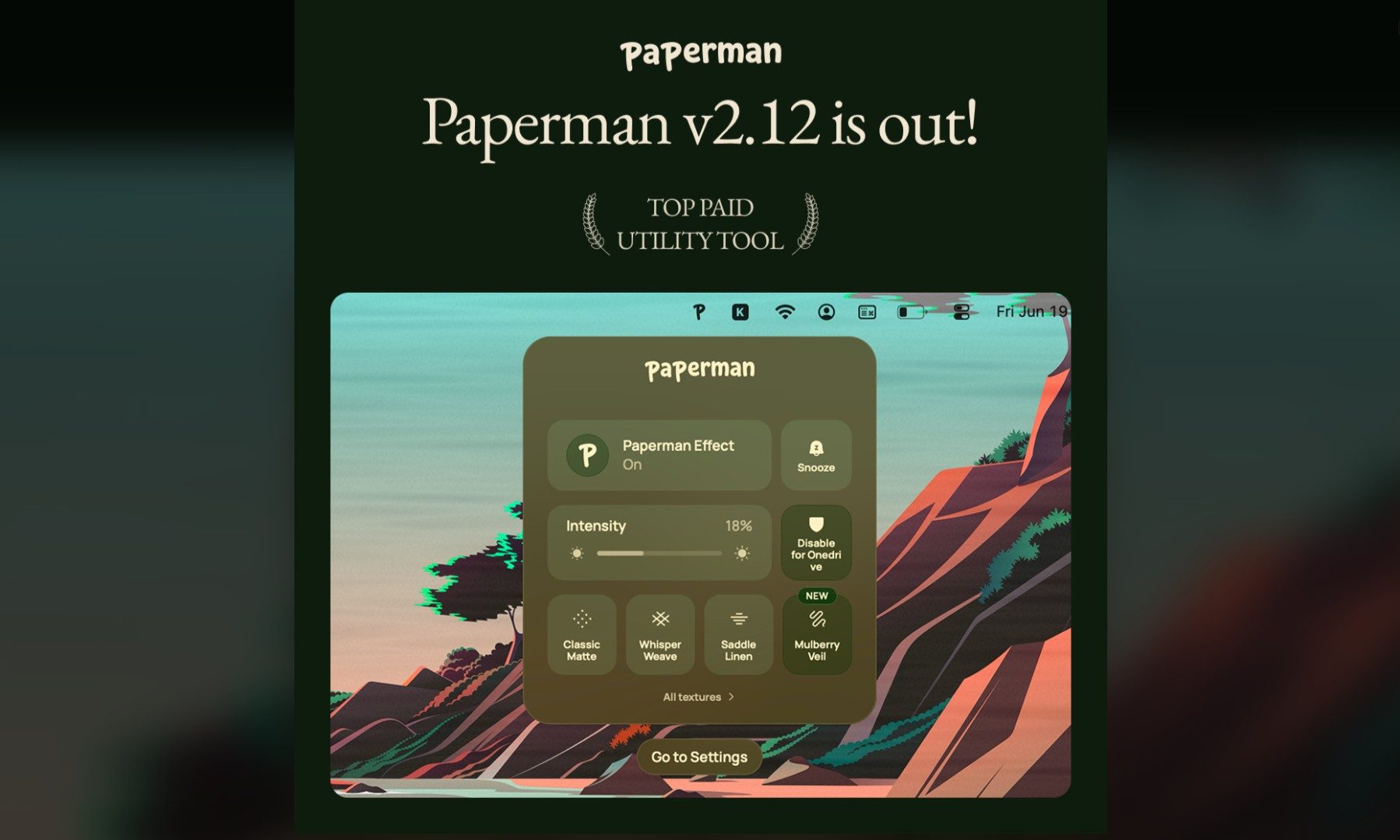
Most screen-comfort tools work by changing color temperature. Apple’s Night Shift makes the screen warmer, often giving everything an orange tint. Paperman is an interesting alternative because it adds a subtle paper-like texture over the display instead.

The app is available for Mac and Windows, and it is designed to make a screen look closer to paper, matte glass, or an e-ink display. It softens the harsh contrast and reduces the glossy look of modern screens during long reading or writing sessions.

Read more
I dug these last-hour Prime Day smart home, laptop, and accessory deals that are irresistible
Deals up to 60% off, a few hours left, and no reason to wait any longer.
Electronics, Phone, Speaker

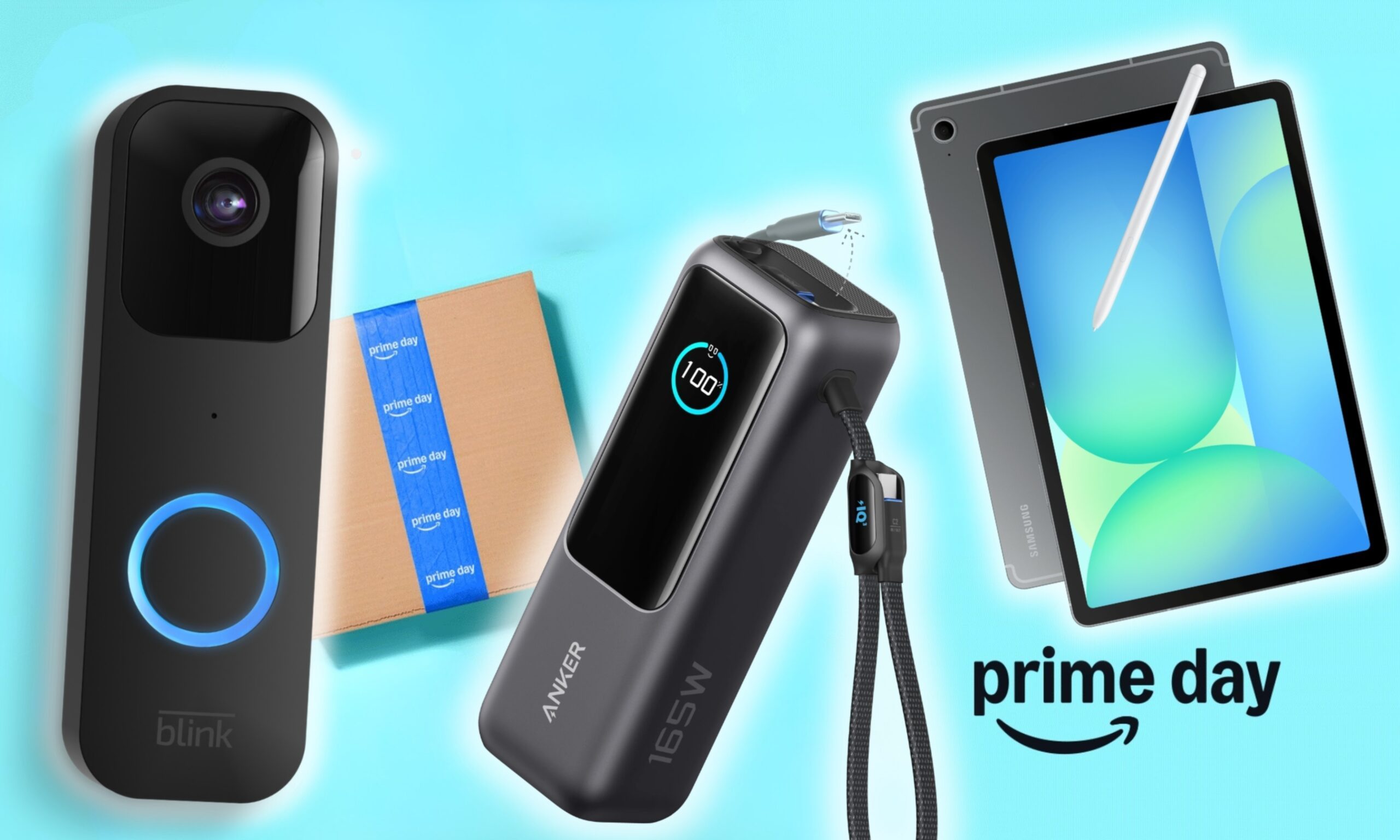
Amazon's Prime Day 2026 sale is in its final hours, giving you your last chance to get your hands on the best smart home, security, tablet, laptop, and accessory deals. I've pulled together the picks that are still live, still deeply discounted, and still worth buying before the sale ends tonight or until the stock lasts.

Best Amazon Prime Day deals on smart home devices

Read more