1. Home
  2. Cars
  3. Legacy Archives

Turn the phone off. Apple’s CarPlay may not be any safer than driving while texting

Add as a preferred source on Google

Read our full Apple CarPlay review.

Apple CarPlay may seem like a boon to people who love their iPhones as much as their cars, but it’s already drawing criticism from safety advocates.

Recommended Videos

They’re concerned that the system – which integrates phones with car infotainment interfaces – takes too much emphasis away from the act of driving itself.

David Teater, senior director of the National Safety Council, told CNN Money that CarPlay will exacerbate the problem of distracted driving, saying that car and tech companies are engaged in “an arms race to see how we can enable drivers to do stuff other than driving.”

Manager of research and communications at the AAA Foundation for Traffic Safety Bruce Hamilton echoed those concerns, saying carmakers should always prioritize safety, not customers’ desire to use their phones while driving.

Phone use was the main factor in the majority of distracted driving incidents that killed 3,328 people and injured 421,000 in 2012 (the most recent year with available data) according to government statistics.

For its part, Apple believes CarPlay will minimize distractions, because virtually every function can be performed through Siri voice commands, allowing drivers to keep their hands on the wheel and their eyes on the road.

However, several recent studies dispute the claim that hands-free phone use is safer.

Researchers at Texas A&M Transportation Institute found that driver reaction times doubled while texting – whether they did it manually or hands-free. Another study conducted by AAA came to a similar conclusion.

Meanwhile, a University of Utah study rated voice-control programs like Siri and “extensive” risk, saying they were even more of a distraction than talking on a hand-held phone.

While a few states have tried to solve the problem with phone bans, the Insurance Institute for Highway Safety (IIHS) says these have had little effect.

An IIHS spokesman told CNN that the most promising solution is more technology.

Carmakers have already introduced systems that can automatically brake a car, or tug it back into its lane. Alongside the Federal government, they’re also experimenting with “vehicle-to-vehicle” (V2V) technology, which allows cars to communicate with each other to avoid crashes.

This – along with the seemingly-inevitable emergence of self-driving cars – could make roads safer by taking responsibility away from the driver.

It seems humans can create remarkable technology, but the ability to use it responsibly is beyond the pale of our abilities.

Stephen Edelstein
Stephen is a freelance automotive journalist covering all things cars. He likes anything with four wheels, from classic cars…
Topics
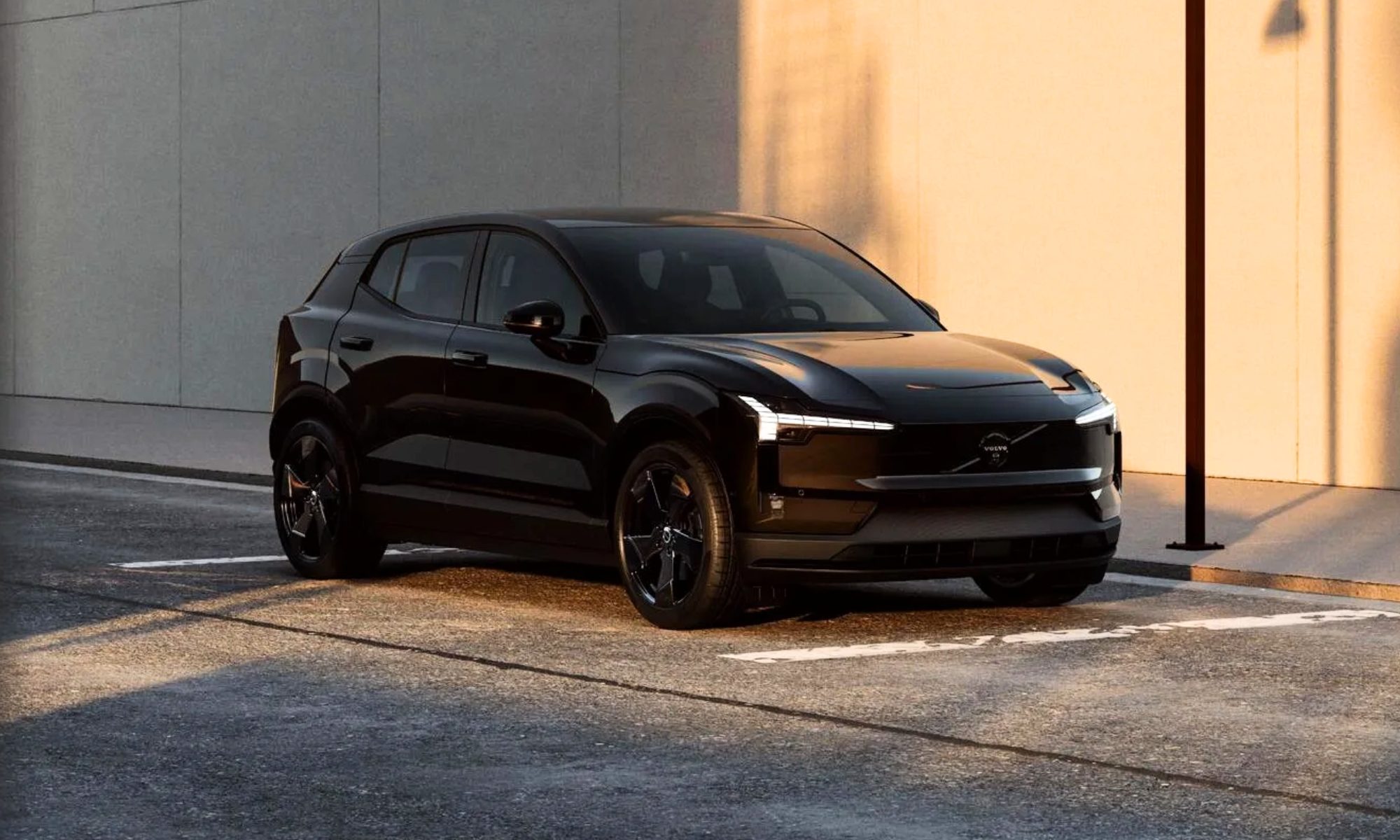
Volvo’s purported EX50 could be the budget-friendly plot twist nobody saw coming
Volvo's next electric SUV could shake up the EX lineup with more room and a smaller price tag.
Volvo EX30 front profile.

Volvo’s electric lineup needed a genuinely affordable entry point, and a new report suggests that buyers might actually get one. 

According to a new Automotive News report, Volvo is quietly working on a compact electric crossover, called the EX50. It will be aimed at replacing the dated EX40 in the US sometime in 2027. 

Read more
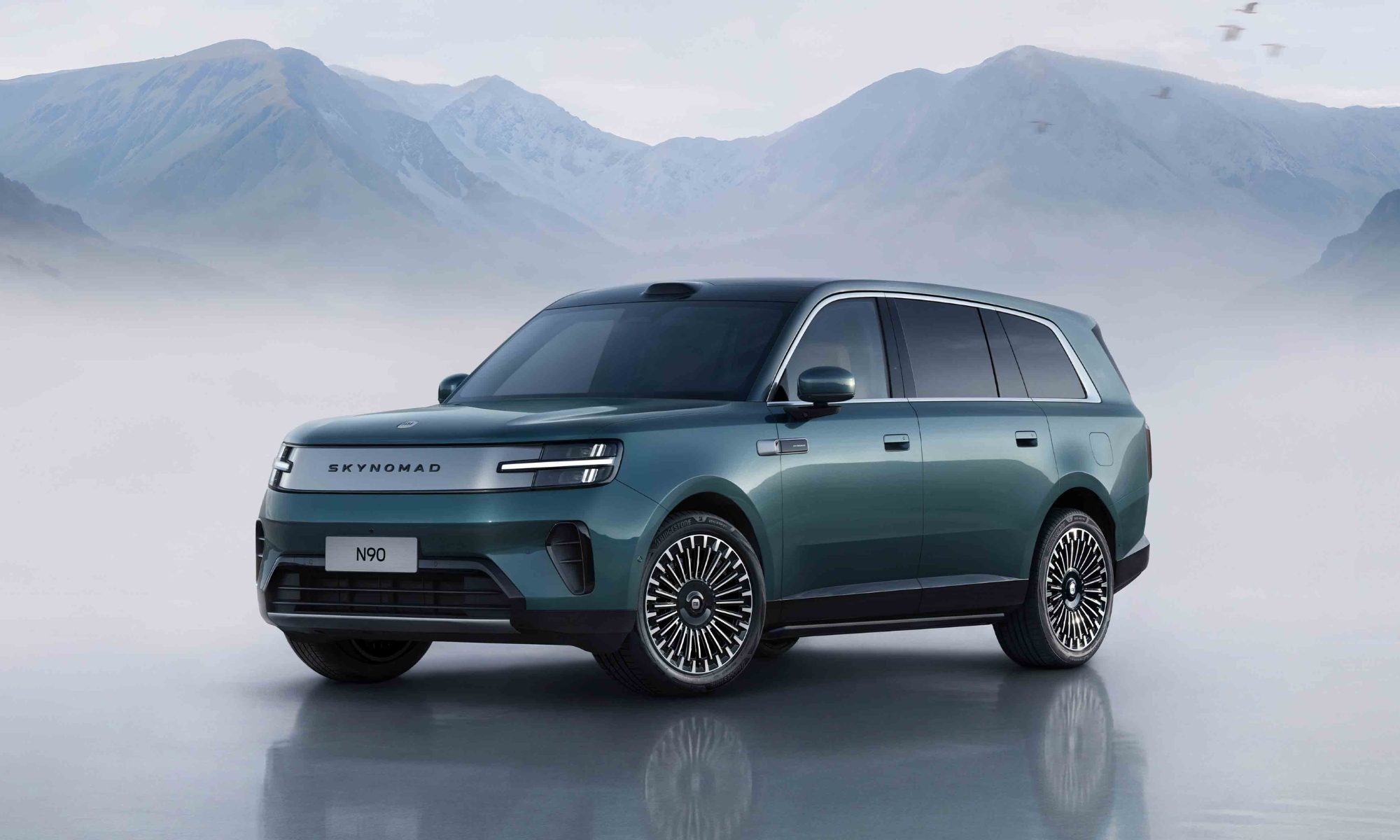
Xiaomi just launched an SUV with seven seats and a bedroom upstairs
Xiaomi’s SkyNomad SUV could replace your car, office, lounge, and tent
Skynomad

Xiaomi’s new family SUV is basically a house on wheels with enough claimed range to cover more than 1,000 miles. It also costs considerably less than its outlandish feature list might suggest. The company has officially launched the SkyNomad N90 Max in China for 299,900 yuan, equivalent to roughly $44,400 through direct conversion.

Preorders are open now, with the first vehicles expected to reach customers in September. The converted figure provides useful context, though it does not represent pricing outside China. Xiaomi describes the seven-seat flagship as a “house you can move.” This unusually grand pitch starts making sense once you see what happens inside.

Read more
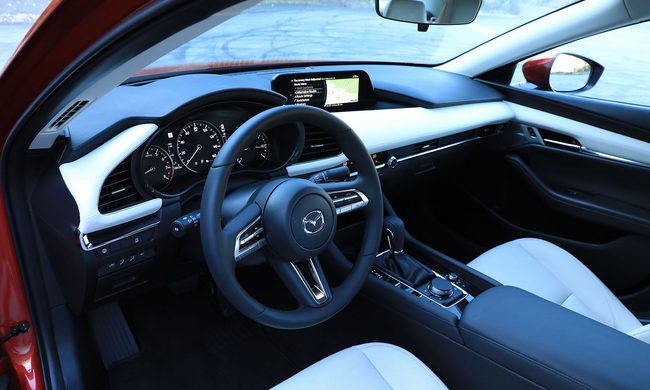
Mazda chief says the MX-5 Miata could go electric
2019 Mazda Mazda3 AWD review

For years, the idea of an electric Mazda MX-5 Miata felt almost impossible. The little roadster has always been celebrated for one thing above everything else: keeping things light. Add a heavy battery pack into the equation, and many enthusiasts assumed the Miata's trademark driving character would disappear along with it.

Mazda, however, appears to have changed its mind. In an interview with German publication auto motor und sport, Mazda CEO Masahiro Moro confirmed that the next-generation MX-5 is being developed with the possibility of an all-electric version in mind. It doesn't mean the iconic roadster is abandoning gasoline anytime soon. Still, it does suggest Mazda wants the Miata to survive in a future where internal combustion engines may no longer be an option.

Read more