1. Home
  2. Smart Home
  3. Legacy Archives

FCC OK’s Satellite Radio Merger

Add as a preferred source on Google

As anticipated, the Federal Communications Commission has voted to approve the long-gestating merger between XM Satellite Radio and Sirius Satellite Radio into a single company with about 18 million subscribers. Although it seems counter-intuitive that an agency supposedly dedicated (in part) to enabling and preserving competition in the marketplace would let the satellite radio arena dwindle from two players to just one, the companies have apparently been able to successfully argue that their primary competition is not each other, but the rapidly growing array of digital Internet and mobile services available to consumers.

The final approval comes almost a year and a half after the companies announced their intentions to merge.

Recommended Videos

The FCC tied several conditions to the tie-up. The new company must cap prices for three years after the merger and enable consumer to choose the channels they want to receive a la carte style (although customers will pay less for channel packages). XM has also agreed to pay $17.5 million in fines to resolve misrepresentations and violations of FCC technical rules involving the transmission power of transmission towers and aspects of receivers sold to consumers; Sirius will kick in another $2.2 million in similar issues. The companies have also pledges to offer more educational and minority programming.

The merger approval flies in the face of the original rules the FCC set down for the satellite radio industry, in which XM and Sirius were given licenses to operate their businesses on the condition that they would never be permitted to merge, lest the combine company use its total control of the marketplace to jack prices and control content.

The companies will now work to scrap redundant transmission towers and programming selections, and roll out new receivers enabling a la carte programming selection. The companies are expected to focus on in-car radio receivers, since that market segment has seen the steadiest consumer interest during the protracted merger negotiations.

More complete details on the merger arrangement should be released today by the FCC.

Geoff Duncan
Former Contributor
Geoff Duncan writes, programs, edits, plays music, and delights in making software misbehave. He's probably the only member…
Remember Samsung’s Ballie home robot? It may finally be inching closer to reality
Leaked app wireframes give the strongest hint yet that Samsung's Ballie home robot, first shown at CES 2020, might still be headed toward an actual release.
Samsung Ballie robot in a room next to a dog feeder.

Samsung's rolling home robot has been the industry's longest-running "will it ever actually ship" joke, and I'll admit I'd mostly given up on it. Now, there's finally a glimmer of hope.

Samsung first unveiled Ballie as a concept at CES 2020. Then, it showed it as a significantly upgraded version four years later. However, the company never confirmed a release date or committed to releasing it at all. 

Read more
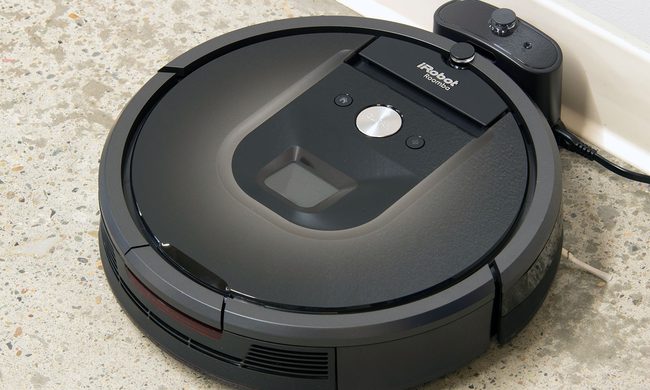
The US foreign-made robot crackdown is coming for future Roombas too
Future Roombas face new US sales hurdles, but existing models are unaffected
Roomba 980

The FCC has already made it much harder for foreign drone makers such as DJI to bring new products into the US. Now, the same crackdown is reaching a machine far more likely to be moving around your living room.

The US government recently added foreign-made advanced robotic devices to the FCC’s Covered List. The announcement appeared focused on humanoids, robot dogs, and industrial machines, but an FCC spokesperson has confirmed to The Verge that robot vacuum cleaners are covered too.

Read more
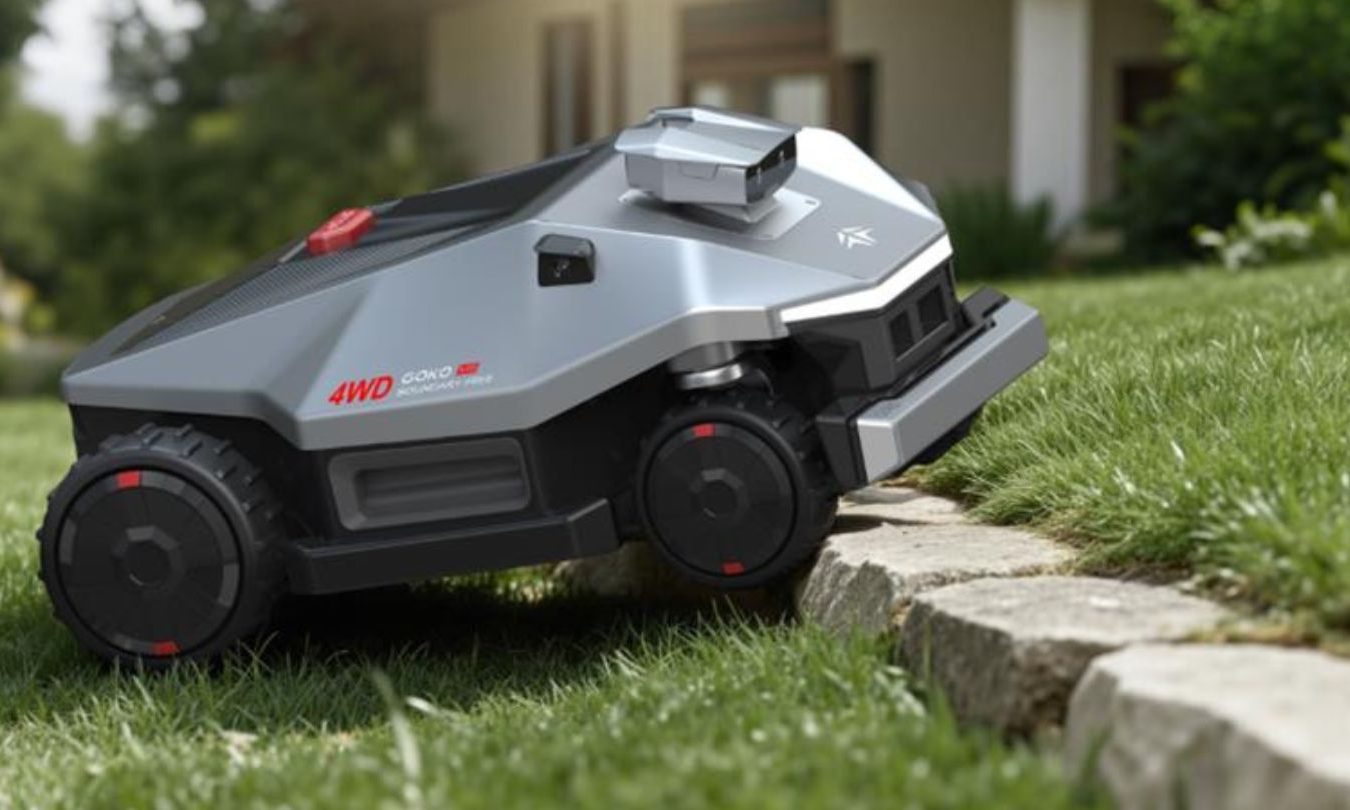
The GOKO M6 Robotic Lawn Mower Brings Industrial Robotics to Modern Lawn Care
7 reasons this AI-driven powerhouse makes hands-free yard work smarter than ever
Grass, Lawn, Plant

Robotic lawn mowers can save homeowners hours of manual yard work, but not every model is designed for challenging properties. While many perform well on flat lawns, larger yards with uneven terrain, steep slopes, and multiple mowing zones require a mower built for more demanding conditions.

Developed by GOKO, the consumer robotics brand of Robot++, the GOKO M6 is an industrial-grade 4WD AI-powered robotic lawn mower that brings more than a decade of industrial robotics expertise to residential lawn care. It combines AI-powered four-wheel drive, advanced navigation technologies, and AI QuadVision obstacle detection to tackle complex landscapes with less manual intervention.

Read more