1. Home
  2. Computing
  3. Web
  4. Legacy Archives

Chinese security experts partly blame the U.S. for last year’s surge in cyber attacks

Add as a preferred source on Google

Chinese cyber security experts believe that U.S.-based hackers were responsible for a significant increase in cyber attacks on computers within China’s borders in 2013, according to Reuters.

According to China’s National Computer Network Emergency Response Coordination Centre, 15,000 computers were hit by Trojan Horse malware and 61,000 websites were attacked by hackers located outside of China. These statistics represent a 62 percent increase in 2013 compared with 2012.

Recommended Videos

“There are frequent occurrences of state-level organized internet hacking attacks, and some of our country’s important internet information systems have been penetrated,” the security agency said.

The agency also asserts that more than 11 million computers were compromised by cyber attacks that originated overseas. The majority of those crimes reportedly came from South Korea, Hong Kong and the U.S., though the agency also said that U.S-based attacks accounted for one third of the intrusions that came from abroad.

This comes after reports surfaced that the NSA had been spying on Chinese hardware manufacturer Huawei, with U.S. government officials fearing that penetration by Huawei into the U.S. could be a threat to national security.

According to a separate Reuters report, the China’s Defence Ministry has announced plans to strengthen their cyber security measures after reports of U.S. intrusions into Huawei’s networks came to light.

Mike Epstein
Former Associate Editor, Gaming
Michael is a New York-based tech and culture reporter, and a graduate of Northwestwern University’s Medill School of…
This new Mac malware won’t let you use your computer until you surrender your password
This Mac malware turns your own computer against you
AI Generated Image

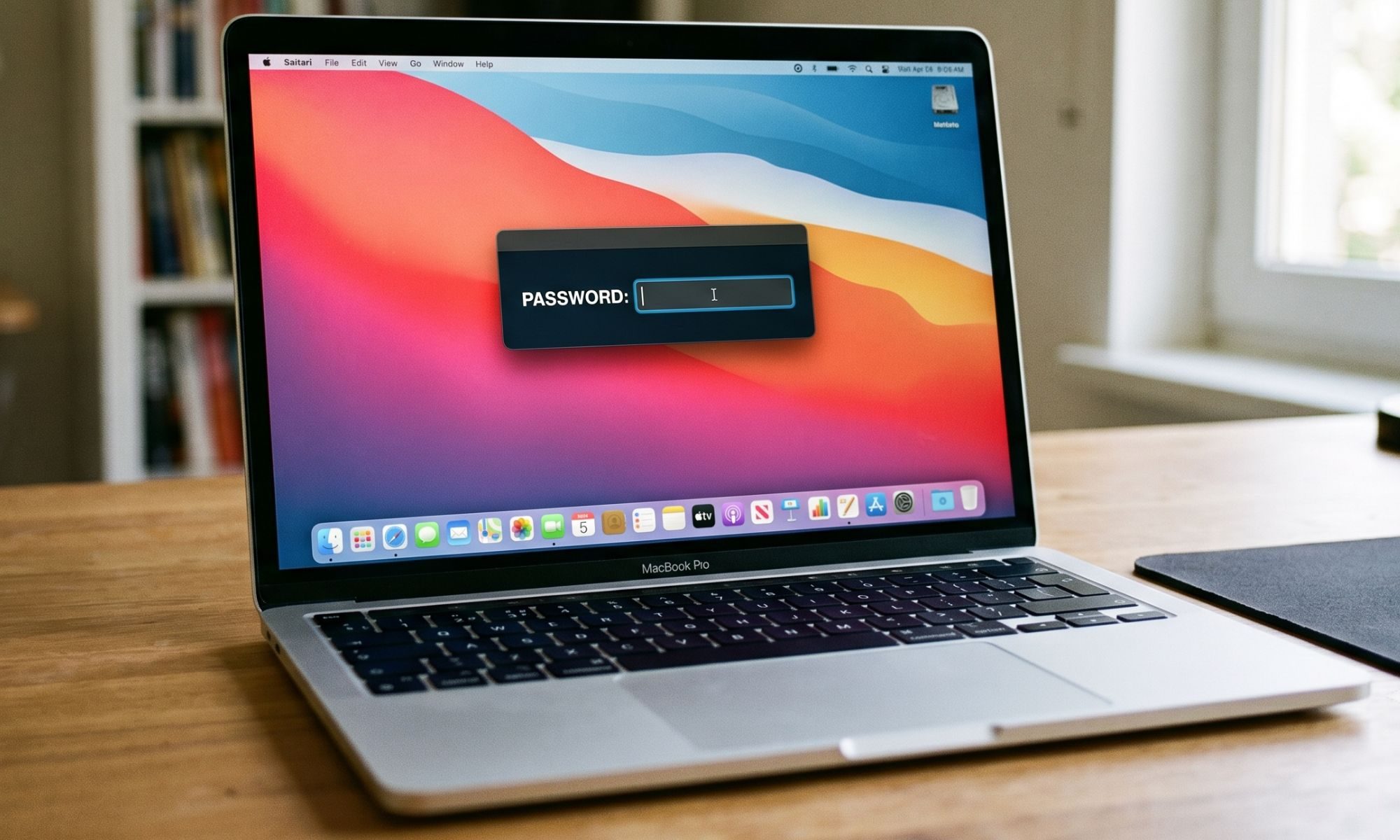
A newly discovered strain of macOS malware is taking social engineering to an unsettling new level. Instead of exploiting a software vulnerability or silently stealing information in the background, it simply refuses to let you use your Mac until you type in your login password.

Dubbed ClickLock, the malware repeatedly shuts down key macOS processes, disables notifications, displays convincing Apple password prompts, and effectively traps users in a loop that only ends when the correct password is entered. Once that happens, it doesn't just steal the password. It goes after browser data, cryptocurrency wallets, saved credentials, password managers, and much more.

Read more
1Password lets Claude inside your accounts without handing over the keys
Claude can now sign in on your behalf while your password stays hidden, though trusting it after login is a separate decision
1Password official

1Password is giving Claude a way into your online accounts without making your passwords part of the bargain. The new 1Password for Claude integration can fill login details while keeping the credentials hidden from Anthropic’s AI agent.

Available now on Mac, the feature kicks in when Claude reaches a sign-in page during a task. Claude requests a saved login, then you approve or deny it. If approved, 1Password submits the credentials through a separate encrypted channel. Passwords and one-time codes never enter Claude’s context or Anthropic’s systems.

Read more
New open-weight AI from China is toppling the best of OpenAI and Claude Fable
Moonshot’s 2.8-trillion-parameter Kimi K3 beats Fable 5 and GPT 5.6 Sol in select benchmarks
Art, Drawing, Plant

China's Moonshot AI has launched Kimi K3, a massive 2.8-trillion-parameter model built for coding, research, reasoning, and visual tasks. Moonshot admits K3 still trails Claude Fable 5 and GPT 5.6 Sol overall. Even so, its benchmark results put it surprisingly close to both, and it finishes ahead in several tests.

How close is Kimi K3 to the best closed models?

Read more