1. Home
  2. Computing
  3. Legacy Archives

Sony’s new storage tapes hold 185 TB of data; Same as thousands of Blu-rays combined

Add as a preferred source on Google

Remember tape storage? You may think that it’s a relic of the 80s and early-to-mid 90s, but Sony is still investing quite a bit into the format. In fact, the firm recently announced that it has developed a new version which holds a ridiculous 185 TB of data per cassette, the BBC reports.

How’s this for some perspective: that’s the same amount of data that 3,700 Blu-ray discs can store combined. It also holds 148 GB of data per inch, which is over five times more than the previous record for this storage format. In case you’re confused as to why Sony is still putting money in tape, it’s still used in the corporate world to archive massive amounts of information.

Recommended Videos

“The rapid recovery of data systems such as databases and data servers following natural disasters, as well as secure management of information has become ever more important, and companies around the world are proceeding to build new data systems,” Sony said in this official blog post. “In addition, the expansion of cloud services and the creation of new markets to utilize big data have led to a growing need for a data storage media which can store large amounts of information.”

Sony-magnetic-tape-technology
Image used with permission by copyright holder

This comes after Sony and Panasonic announced plans to develop the Archival Disc. Though Archival Discs look like any other CDs, they’ll come in versions that can hold 300 GB, 500 GB, and 1 TB of data. Archival Discs will allegedly be readable for at least 50 years, and, according to a Panasonic rep, don’t require you to place them in any special storage environments to keep the data on the discs safe.

In addition to this new version of tape storage, Sony says that it will continue to push data density even further in the future. We can’t help but wonder how much data tape and discs will be able to hold just less than a decade from now.


Konrad Krawczyk
Former Computing Editor
Konrad covers desktops, laptops, tablets, sports tech and subjects in between for Digital Trends. Prior to joining DT, he…
Topics
Brave’s new Container feature is a lifesaver for anyone juggling multiple accounts
With this feature, you won't need to open three different browsers
Brave browser 3D logo

Brave has added Containers to its desktop browser, giving users a built-in way to keep different accounts, sessions, and browsing activity separate. The feature is available in Brave 1.92 for Windows, macOS, and Linux, and is rolling out in phases over the next few days.

Containers have been a highly requested feature, especially for users who regularly switch between work, personal, developer, or creator accounts. Once enabled, they let users open tabs in separate spaces where cookies and site storage are not shared outside that container.

Read more
Intel may bring back older desktop CPUs because DDR5 is getting too expensive
Older Intel Core CPUs from 10th to 14th Gen may get a second life
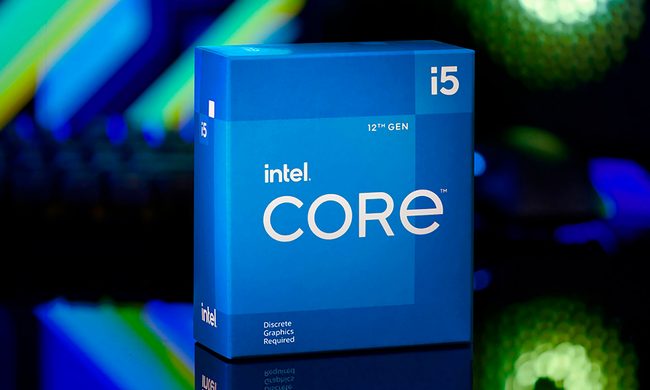
Intel Core i5-12400F box sitting in front of a gaming PC.

Intel may be preparing an unusual response to the ongoing memory crunch. According to Chinese outlet ITHome, citing ChannelGate, the company’s latest production plan includes restarting production of 13th-gen and 14th-gen Core processors.

The move is expected to increase supply across Intel’s 10th, 12th, 13th, and 14th Gen CPU families, especially in mainland China. For DIY PC builders, the timing is important. DDR5 memory prices have climbed sharply, making newer platforms harder to justify for anyone trying to build an affordable gaming PC.

Read more
Amazon wants to design in-house chips for Kindles, Fire TV, and Echo speakers
Apple did it first. Amazon is doing it now, starting with 40 million chips a year and a partner most people have never heard of.
Amazon Kindle Scribe dark mode featured image.

Apple's decision to design its own chips reshaped the consumer electronics industry. Amazon may be about to make the same call, just about two decades later.

Supply chain analyst Ming-Chi Kuo reports that Amazon is preparing to shift away from externally sourced processors for its consumer electronics lineup, marking what he describes as the company's first major processor procurement change in 20 years. The transition is expected to begin in 2027.

Read more