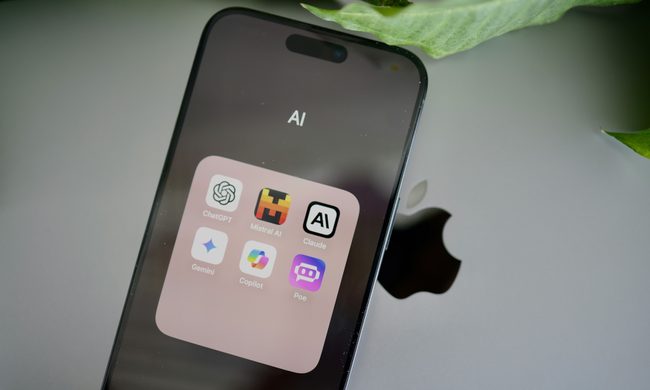
What’s happened? A recent report by Wired outlines a rising trend: people are forming emotional bonds with AI chatbots and virtual companions, and these connections have started affecting real-world relationships and marriage dynamics.
- Surveys show that roughly 60% of single adults now believe that having a relationship with an AI counts as cheating. (via Wired)
- Family-law professionals say they’re seeing more divorce cases where a partner’s emotional attachment, or sensitive data-sharing habits, are mentioned in the filings.
- Some states are considering legal frameworks where AI partners are treated as a “third party” in a relationship rather than just software.

This is important because: As AI agents become more nuanced and accessible, divorced attorneys say they are capturing the attention of family law cases across multiple states.
- Some attorneys warn of a “divorce boom” caused by strained relationships when one partner invests emotionally in a machine rather than the marriage.
- Financial and legal fallout is also emerging as partners have reportedly spent thousands on subscriptions and shared private information with AI companions, complicating divorce cases on asset division and custody.
- The law is lagging behind as states vary dramatically in how they treat AI-human relationships; lawyers and courts are still navigating uncharted territory.
Why should I care? The rise of human-AI emotional attachments is shifting traditional notions of infidelity, disruption of marital trust, and legal definitions of partner misconduct. Even the “godfather of AI” wasn’t immune, as his girlfriend used an AI chatbot to end their relationship.
- If you’re in a relationship, this matters because the partner you’re with could feel unsafe or unsure when you engage deeply with an AI companion, even if the interaction feels harmless to you.
- For anyone using AI chatbots for companionship, it’s a reminder that those interactions could have real consequences: emotionally, legally, and financially.
OK, what’s next? Family-law practices are beginning to account for AI partners in settlements. Attorneys warn that sharing extensive data or money with a bot may be used as evidence of misconduct.
- Legislatures have started framing rules to regulate AI chatbots, and others may follow as judges confront cases that don’t fit traditional definitions of infidelity or marital misconduct.
- Until then, couples and legal professionals are operating without cohesive standards.