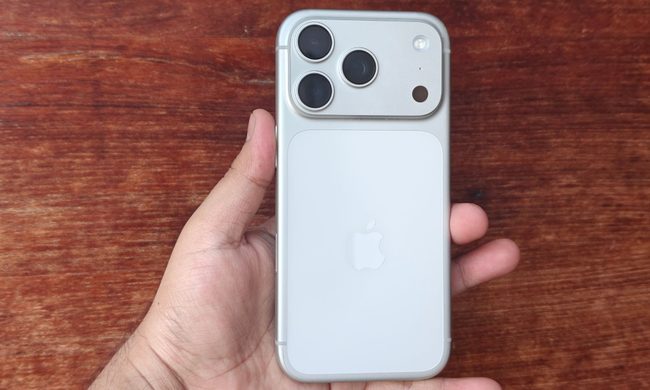
You might want to think twice before upgrading your smartphone in 2026. Smartphone specifications are on the verge of moving backward in the near future, not due to a lack of innovation, but because of the dramatic rise in the cost of a key component: memory. DRAM and NAND prices are rising sharply and are expected to stay high through at least the first half of 2026.
Suppliers are raising prices due to a surge in demand for AI servers, data centers, and enterprise hardware solutions. The pressure first showed up in PC RAM prices; it is now spilling over into devices like smartphones, tablets, and smartwatches. All the popular brands you know will respond by doing one of three: raising prices, cutting margins, or quietly downgrading the RAM in upcoming models.

For smartphones, this means you might not find 16GB of RAM anymore, even on top models (a few exceptions may exist), fewer 12GB RAM models (by over 40%), and 8GB models reduced by over 50% (via a post on the Korean blog Naver).
Lesser RAM could be a bottleneck for on-device AI features
To mitigate price impacts, Xiaomi has already been considering trimming RAM on specific 2026 smartphone models (via GizChina). Along with it, other Chinese smartphone giants like OnePlus, Vivo, Oppo, and global brands like Samsung and Google, should also face the heat, leading to a rare moment in smartphone history where specs may stagnate or even regress, even as software demands continue to rise.
Unlike cloud-based AI, on-device models require substantial memory, which is why you see flagship Android devices, or even the midrange ones, featuring more than 8GB of RAM. If smartphone makers reduce the device’s physical memory, it would leave less room for the AI model and apps to coexist, leading to aggressive RAM management, app reloads, or sluggish AI features.

Moreover, the growing number of on-device AI features and the looming threat of supply chain constraints on memory could push smartphone specifications back by at least a few years (with software progressing to 2026). Even if the manufacturers decide to retain a similar memory, there’s a good chance that they’ll pass on the additional cost to customers.
To put it simply, your next Android smartphone could either be more expensive or noticeably less responsive. While companies often sell flagships at higher margins, leaving more room for cost adjustments, the impact could be worse on midrange devices, which are often sold at lower margins: buyers might end up paying more for lower specifications.
A problem centered on the midrange segment
Strictly speaking, in the United States market, the memory conundrum matters most in the $400 to $800 segment, where Android smartphones prioritize performance per dollar and longevity above all else.
And yes, Apple’s iPhones could also get a taste of it, as the company leans on tighter software optimization and chipset efficiency than onboard memory. But that doesn’t mean that the company is entirely immune either. If the condition doesn’t improve and the price of high-quality RAM goes up, Apple buyers might have to pay a premium for the level of performance they’re used to.
Laptop makers could also focus more on reducing shipments with over 16GB of RAM (by over 60%). Instead, the brands could concentrate more on 8GB RAM variants, primarily due to the high volume of onboard models, but a price hike could accompany them.

If memory prices remain high, manufacturers will have to make long-term decisions about the kind of smartphones, tablets, and other consumer devices that they want to ship. We could see sharper segmentation, with premium models retaining higher RAM, tighter software optimization, fewer AI-based features on lower-memory or budget-centric devices, or scaled back performance to compensate for the lower memory.
Memory as a bottleneck could also compel Google to rethink how the Gemini Nano model is deployed on devices and the amount of system resources it consumes. The industry as a whole could adopt hybrid AI approaches, in which some features are handled on the device, and others are outsourced to the cloud. In practical terms, it is looking like 2026 may not the be the year of meaningful or more value-for-money smartphone upgrades.
However, if you own a four- or five-year-old Android smartphone and wish to upgrade, here’s a list of the 12 best options available right now.