1. Home
  2. Cars
  3. News

Uber will soon have you riding in style in a driverless Mercedes-Benz S-Class

Nvidia, Mercedes-Benz, and Uber have announced a partnership to bring S-Class robotaxis to several major cities.

Add as a preferred source on Google
Car, Coupe, Sports Car
Mercedes-Benz

Uber, Nvidia and Mercedes-Benz have joined hands to develop a fleet of luxurious robotaxis based on the German carmaker’s S-Class platform. The companies recently confirmed the collaboration as part of a broader effort to build a global robotaxi ecosystem that combines Mercedes’ luxury sedan with Nvidia’s autonomous driving technology and Uber’s ride-hailing network.

The partnership builds on Uber’s ongoing work with Nvidia announced in October last year, in which Nvidia’s DRIVE AV software and DRIVE Hyperion architecture are being used to make vehicles “level 4 ready.” This means the vehicles will be capable of operating without human intervention in predefined conditions.

Recommended Videos

Mercedes-Benz says it has selected the new S-Class as the core vehicle for its robotaxi plans, citing the sedan’s advanced engineering and software architecture. The luxury model will be integrated with Mercedes’ proprietary MB.OS operating system, which provides a foundation for partners to build autonomous applications on the vehicle’s computing platform.

There’s no clear launch timeline yet

Uber’s role in this partnership is to integrate these autonomous vehicles into its ride-hailing service, enabling users to summon robotaxi through the Uber app. While no firm launch timeline has been announced, the partnership is aimed at deploying autonomous robotaxi services in several major cities worldwide.

The collaboration comes as competition in the robotaxi space continues to intensify. Companies like Waymo and Tesla have already tested robotaxis on public roads, but the sector faces growing regulatory and safety scrutiny. Waymo, for example, is currently under investigation after multiple incidents of its robotaxis violating traffic laws were reported last year.

Pranob Mehrotra
Pranob is a seasoned tech journalist with over eight years of experience covering consumer technology. His work has been…
Two Indian automakers just beat Tesla at the one thing you’d expect it to own
Two Indian automakers, Tata Motors and Mahindra, just topped a global EV efficiency ranking ahead of Tesla and BYD.
Car, Suv, Transportation

I'll admit, Tesla topping an efficiency ranking felt like a foregone conclusion until I actually saw the numbers. Turns out two Indian automakers just embarrassed both Tesla and the world's biggest EV maker at their own game. 

The first time I read the report, I couldn’t believe it, and I’ve been following the Indian automobile industry for a couple of years now.  

Read more
BYD’s new Racco is Japan’s first electric kei car with over 300 km range
The Racco also undercuts Nissan's Sakura on price before taxes and incentives, which packing in features rarely seen in the kei car segment.
BYD Racco

BYD has entered the Japanese kei car market with the Racco, an electric car built specifically for the country's compact car segment. Its top trim delivers 320 km of range, making it the first compact electric car in the market to pass 300 km, according to ITHome.

Kei cars are a Japanese vehicle class with strict size and power limits, and the segment has long been dominated by domestic automakers such as Honda, Nissan, Suzuki, and Daihatsu. The Racco is BYD's first attempt to compete in that space.

Read more
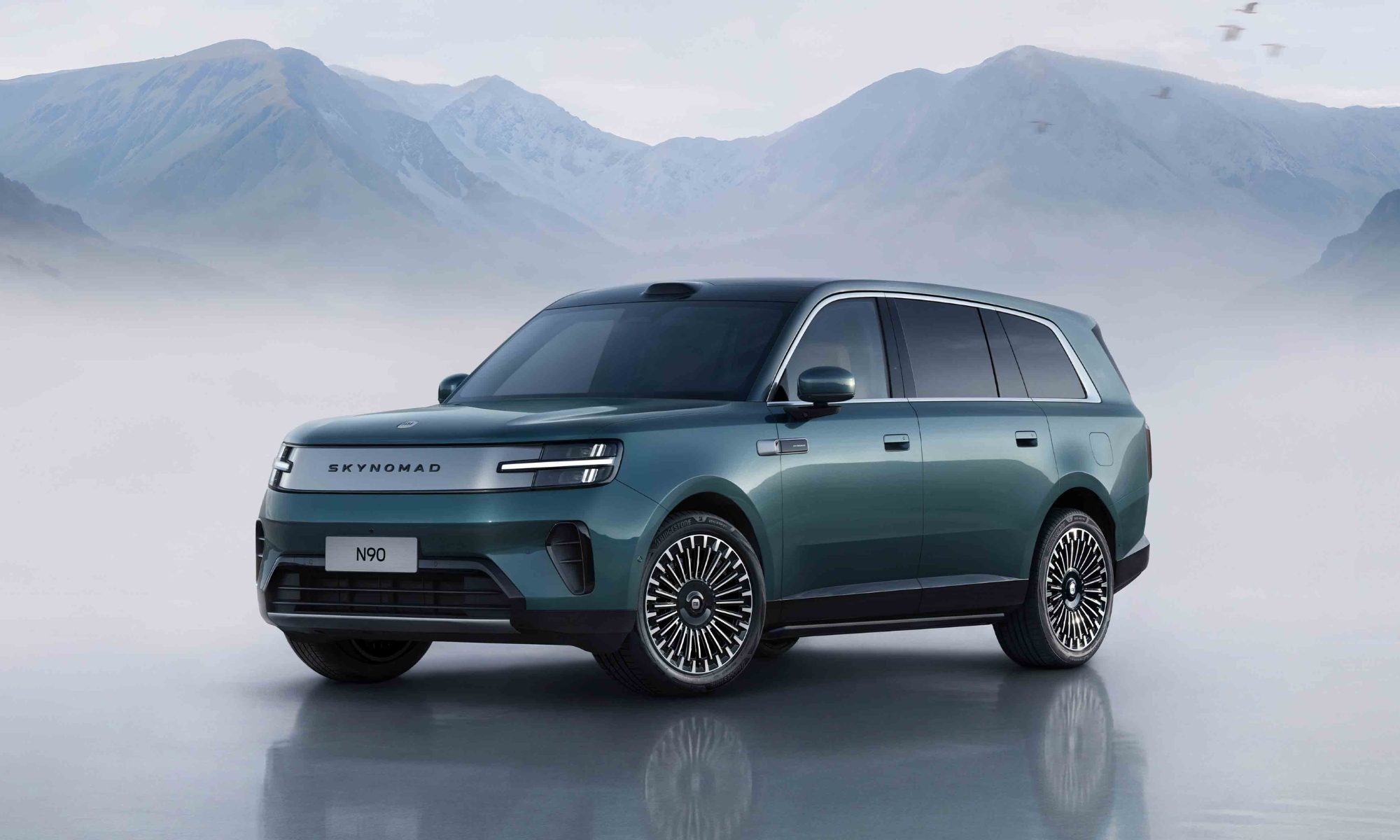
Xiaomi’s sleek seven-seater SkyNomad EREV gets a specs reveal. It’s a template US carmakers must desperately follow
Xiaomi made a sedan first. Now it's coming for your family SUV too.
Skynomad

When Xiaomi entered the automotive industry, it did so with the all-electric SU7 sedan, then expanded into SUVs with the YU7. Its next move is taking the company into one of China's fastest-growing vehicle segments: extended-range electric SUVs (EREVs). Ahead of a technical presentation on July 30, Xiaomi has shared fresh details about its upcoming SkyNomad lineup via its Weibo channel, first spotted by CarNewsChina, revealing the new Kunlun range extender, fuel economy figures and testing progress.

At first glance, the SkyNomad N90's upright silhouette, squared-off proportions and premium detailing inevitably draw comparisons with the Range Rover. But mechanically, Xiaomi appears to be targeting a very different group of rivals. The company is entering a market currently dominated by Chinese brands such as Li Auto and Huawei-backed Aito, both of which have built successful businesses around extended-range SUVs that combine electric driving with the convenience of a gasoline-powered range extender.

Read more