1. Home
  2. Cars
  3. News

This new battery tech will let you fast-charge your EV without hurting battery health

CATL says its latest battery can handle ultra-fast charging without accelerating long-term degradation.

Add as a preferred source on Google
EV Charger
Unsplash

Chinese EV battery giant CATL claims it has cracked the code on ultra-fast charging without wrecking long-term battery health. If true, this breakthrough could eliminate one of the biggest pain points holding electric vehicles back.

In a video released late January, the battery maker unveiled its latest 5C lithium-ion battery, which is designed to handle ultra-fast charging without having a significant effect on long-term battery health. According to Inside EVs, the company claims the 5C battery can retain 80% of its original capacity after 1,400 charge cycles at an operating temperature of 140°F (60°C), translating to roughly 522,000 miles of use.

The battery can reportedly perform even better at a milder ambient temperature of 68°F (20°C), retaining 80% capacity even after 3,000 charge cycles, which equates to around 1.12 million miles of use. That’s far beyond what most current EV battery packs can manage, and enough to outlast many vehicles themselves.

How CATL says it pulled it off

CATL says these improvements were made possible by implementing a denser, more uniform cathode coating that slows degradation, a proprietary electrolyte additive that heals microcracks, and a temperature-responsive separator that migrates heat-induced stress. The company has also upgraded the battery management system, which can now actively cool hotspots to keep charging stress in check.

Recommended Videos

For now, CATL hasn’t said when these batteries will hit production vehicles or how they’ll perform in the real world. Lab figures often differ from how batteries behave in everyday conditions, but if the company’s claims hold up outside the lab, fast charging without a battery health penalty could finally stop being a trade-off for EV buyers.

Pranob Mehrotra
Pranob is a seasoned tech journalist with over eight years of experience covering consumer technology. His work has been…
Volvo’s purported EX50 could be the budget-friendly plot twist nobody saw coming
Volvo's next electric SUV could shake up the EX lineup with more room and a smaller price tag.
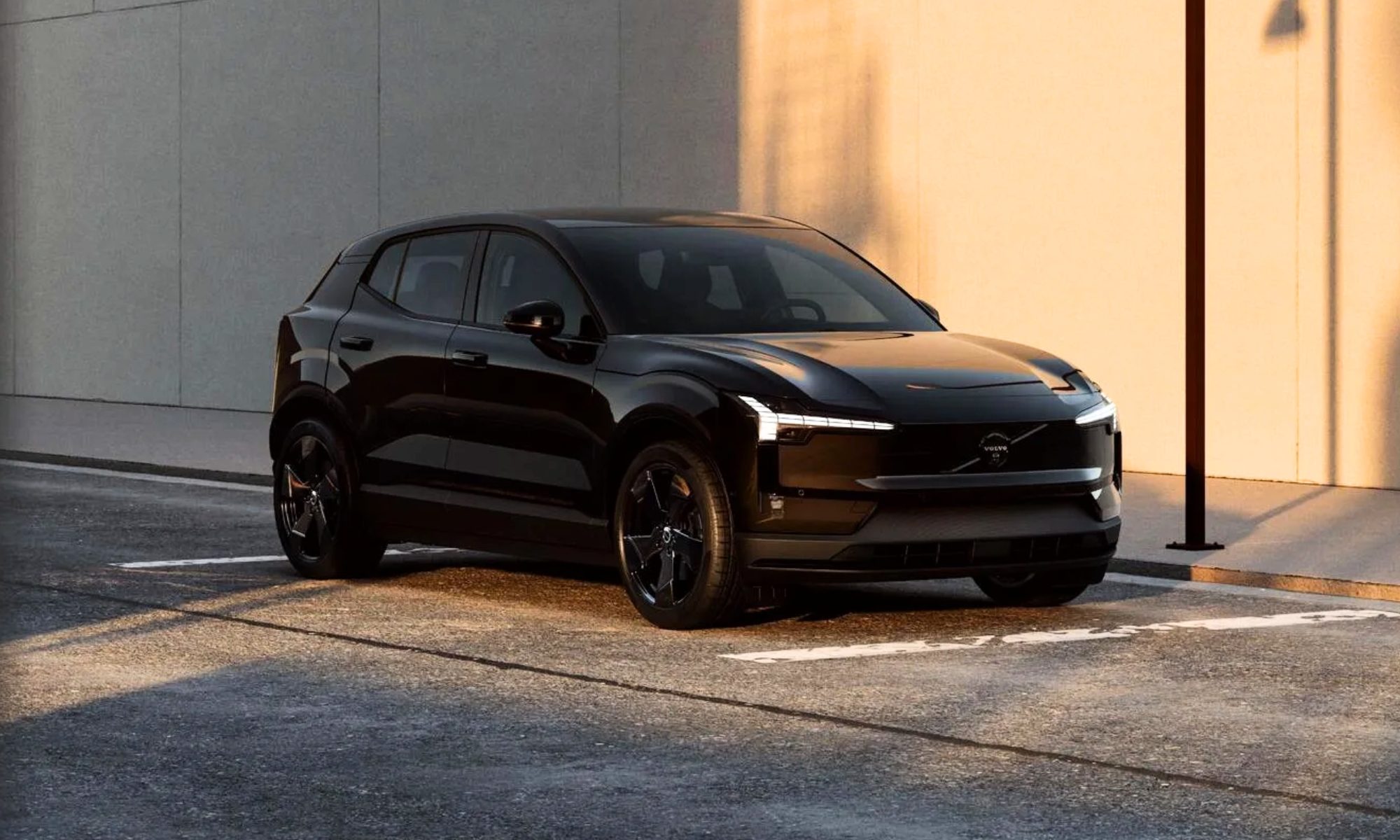
Volvo EX30 front profile.

Volvo’s electric lineup needed a genuinely affordable entry point, and a new report suggests that buyers might actually get one. 

According to a new Automotive News report, Volvo is quietly working on a compact electric crossover, called the EX50. It will be aimed at replacing the dated EX40 in the US sometime in 2027. 

Read more
Xiaomi just launched an SUV with seven seats and a bedroom upstairs
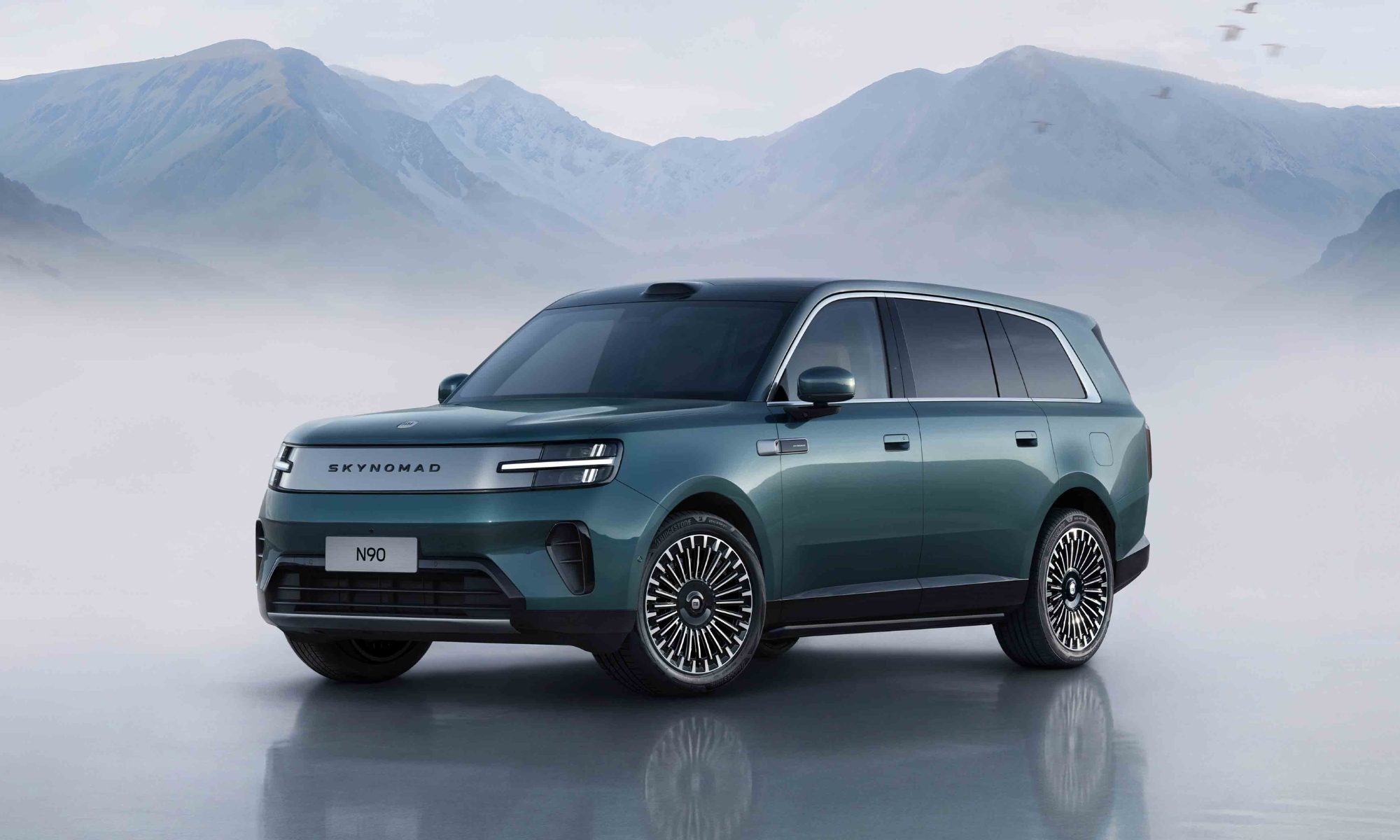
Xiaomi’s SkyNomad SUV could replace your car, office, lounge, and tent
Skynomad

Xiaomi’s new family SUV is basically a house on wheels with enough claimed range to cover more than 1,000 miles. It also costs considerably less than its outlandish feature list might suggest. The company has officially launched the SkyNomad N90 Max in China for 299,900 yuan, equivalent to roughly $44,400 through direct conversion.

Preorders are open now, with the first vehicles expected to reach customers in September. The converted figure provides useful context, though it does not represent pricing outside China. Xiaomi describes the seven-seat flagship as a “house you can move.” This unusually grand pitch starts making sense once you see what happens inside.

Read more
Mazda chief says the MX-5 Miata could go electric
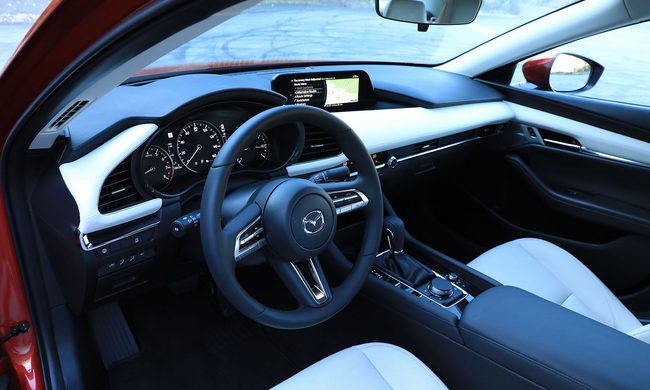
2019 Mazda Mazda3 AWD review

For years, the idea of an electric Mazda MX-5 Miata felt almost impossible. The little roadster has always been celebrated for one thing above everything else: keeping things light. Add a heavy battery pack into the equation, and many enthusiasts assumed the Miata's trademark driving character would disappear along with it.

Mazda, however, appears to have changed its mind. In an interview with German publication auto motor und sport, Mazda CEO Masahiro Moro confirmed that the next-generation MX-5 is being developed with the possibility of an all-electric version in mind. It doesn't mean the iconic roadster is abandoning gasoline anytime soon. Still, it does suggest Mazda wants the Miata to survive in a future where internal combustion engines may no longer be an option.

Read more