1. Home
  2. Cars
  3. News

Your Android Auto can now plan EV trips with AI-powered charging stops

Google Maps' new Android Auto update uses real-time traffic, elevation, and weather data to take the stress out of long-distance electric vehicle travel.

Add as a preferred source on Google
Google Maps
Unsplash

For years, EV drivers using Android Auto have been struggling with a major problem — pulling up charging stop suggestions on their phones and awkwardly cross-referencing them on their car’s screen mid-highway. Navigation was never a problem; it was the charger’s location and status that stressed drivers. That era is finally over now. 

Google has rolled out AI-powered EV trip planning in Google Maps on Android Auto, covering more than 350 electric vehicle models from 16 brands. The list of brands includes Audi, BMW, Hyundai, Kia, Mercedes-Benz, Chevrolet, Lucid, and Volkswagen, among others. 

How does the feature actually work?

Setup starts in the Google Maps app on your Android smartphone. Simply head to Settings, tap “Your Vehicles,” select Electric, and enter your car’s make, model, year, and trim. That’s it — Google Maps now recognises your car.

Recommended Videos

Once connected via Android Auto and a destination is entered, the app displays the trip’s projected battery consumption. Feed the system your current charge percentage, and it generates recommended charging stops along your route, an estimated arrival battery level, and a revised ETA that now accounts for time spent at chargers. 

You see? No more fiddling with your smartphone midway to locate the charger — Google Maps on Android Auto can figure it all out. In fact, there’s even a preference to set a minimum battery level on arrival, which, to me, sounds really useful, especially since nobody wants to arrive somewhere and immediately scramble for a charging plug. 

What’s powering the battery predictions?

It’s Google AI. The AI giant’s energy models factor in your car’s weight and battery capacity and analyze it against the backdrop of live traffic data along the route, including factors like road elevation and weather conditions. Think of it as a very attentive co-pilot who can always find the chargers on the way for you and never complains about it. 

Despite all the positives, there’s one caveat that’s worth flagging. The feature doesn’t use a live connection to your car; range estimates are only as accurate as the information you manually enter. Your actual driving style isn’t being factored in just yet. Anyway, Google Maps version 25.44 or newer is required to get started. 

Shikhar Mehrotra
For more than five years, Shikhar has consistently simplified developments in the field of consumer tech and presented them…
Waymo’s driverless cars keep getting parking tickets in Austin, and humans aren’t the only ones complaining
Waymo vehicles have collected $9,325 in Austin fines as repeated parking mistakes turn into a fleet-wide operational problem
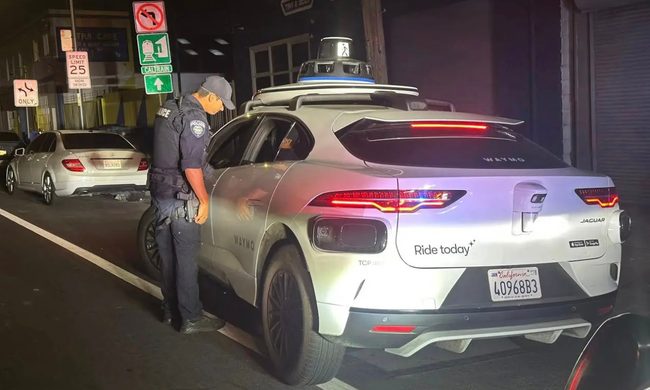
A police officer investigating an empty Waymo car.

Waymo’s 83 parking citations in Austin don’t amount to a financial crisis. They do reveal what happens when the same driving decisions are repeated across an autonomous fleet.

City records obtained by The Wall Street Journal show that Waymo vehicles have accumulated $9,325 in fines since arriving in 2024. The company has paid most of them, but the more revealing detail is how often its cars have made the same mistake.

Read more
Google Maps’ biggest Android Auto upgrade is reaching more users
Google Maps is finally giving Android Auto users directions with a little more drama.
Electronics, GPS, Car

Google is widening the rollout of two long-awaited Google Maps features for Android Auto users: Immersive Navigation and a built-in live speedometer. After months of limited availability, reports suggest both features are now reaching a broader group of users, including people running stable versions of Google Maps instead of beta builds.

The update is part of Google's ongoing effort to modernize the Android Auto navigation experience. While the company unveiled Immersive Navigation earlier this year as one of the platform's biggest upgrades in years, the feature has been trickling out slowly, leaving many users without access. That appears to be changing, with more devices now receiving the update through a server-side rollout.

Read more
Tesla’s hidden door problem might end up fixing every car in America
This could permanently change how emergency exits are designed in American passenger vehicles.
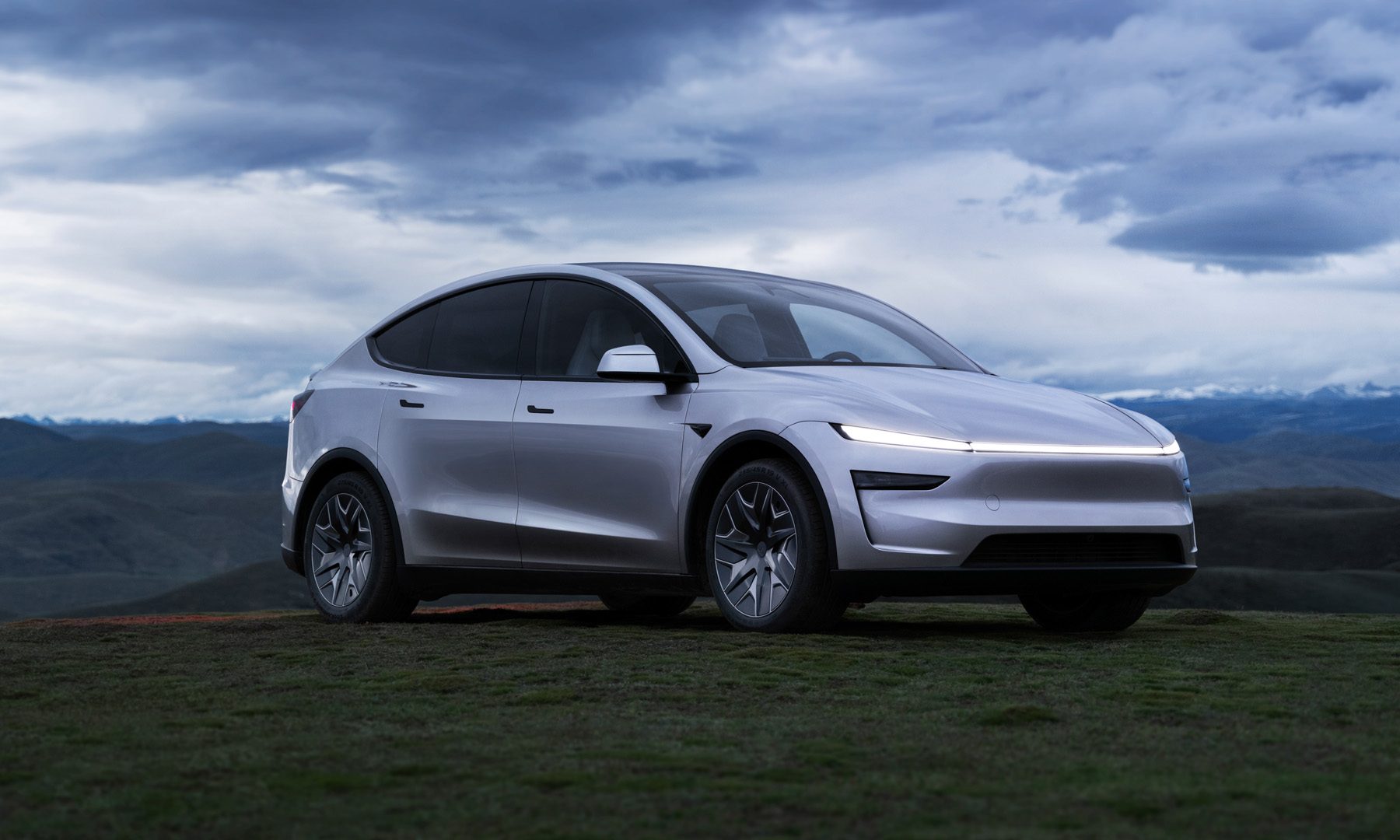
Tesla Model Y Long Wheelbase Featured

Tesla's electronic door handles have been a safety talking point for years, mostly on Reddit threads and EV forums where people debate whether sleek design is worth the tradeoff when a car is on fire and power is out. 

Now the US government has formally weighed in (via The Washington Post). The outcome, I’d say, is bigger than most people think.

Read more