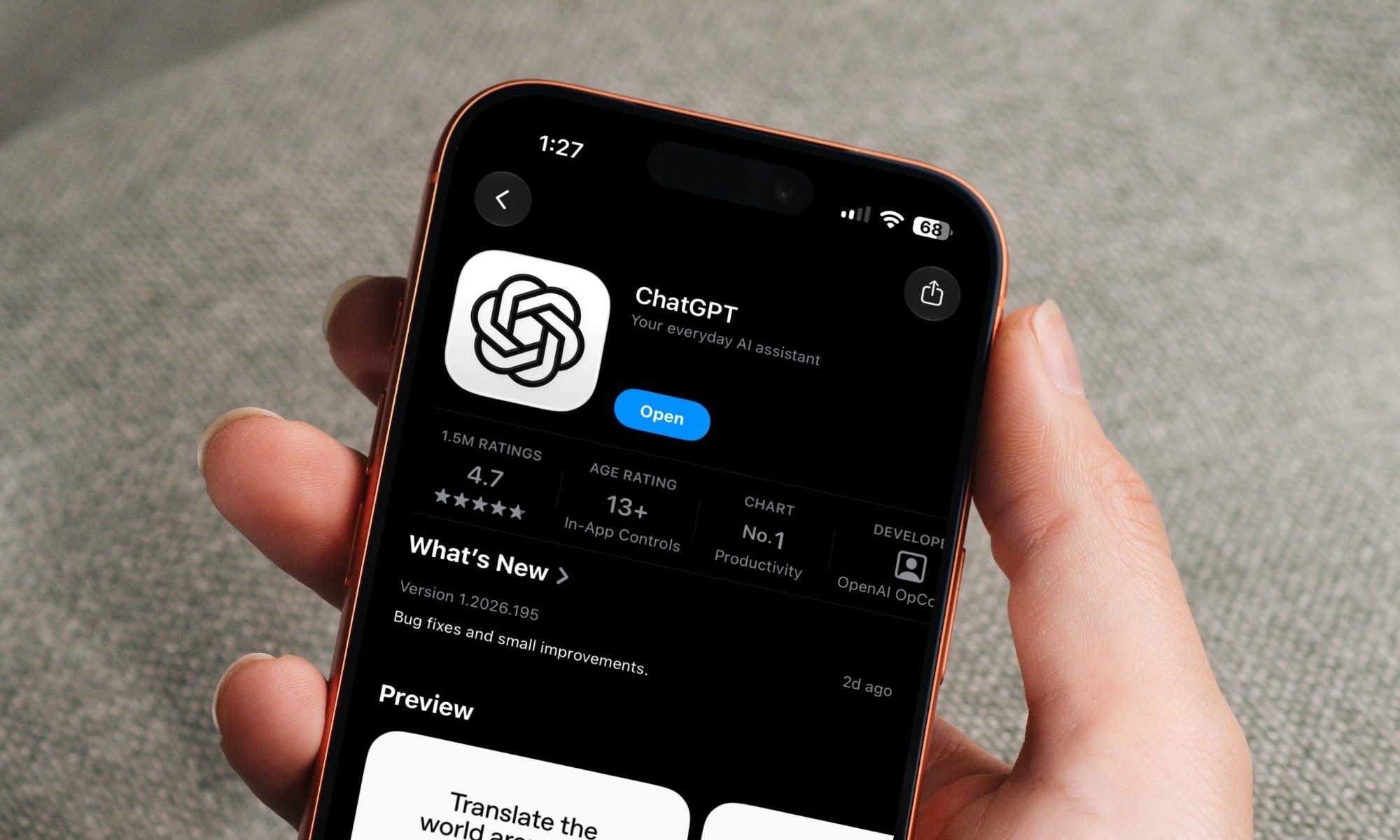
Just when it felt like AI had quietly settled into phones and laptops, it’s now making its way into your car dashboard, too. In a move that feels both inevitable and slightly surreal, ChatGPT is officially rolling out to Apple CarPlay.
The official announcement by OpenAI brings the chatbot’s voice mode directly into the driving experience. And yes, this means casual conversations with AI while stuck in traffic are now very much a thing.
How does ChatGPT work in CarPlay?
The integration arrives as part of the latest iOS 26.4 update, which quietly opened the door for third-party voice-based apps inside CarPlay. With the newest version of the ChatGPT app installed, users can now access the AI directly from their car’s infotainment screen.

But here’s the twist: this isn’t ChatGPT as most people know it. There’s no text interface, no scrolling responses, and definitely no reading paragraphs on your dashboard. Everything is voice-first, by design, to keep things distraction-free while driving.

Once launched, the experience feels more like a call than an app. The system shows basic indicators like “listening” or “speaking,” while conversations happen entirely through audio. You can ask questions, get quick explanations, or even draft messages, all without touching the screen much. That said, it’s not fully hands-free just yet. Unlike Siri, there’s no wake word support, so users still need to tap the app to start a session. It’s a small friction point, but one that clearly shows this is still version one of a bigger idea.
Why this is a bigger deal than it looks
On the surface, this might seem like just another feature update. But it actually marks a pretty significant shift for Apple’s ecosystem. For years, CarPlay has been tightly controlled, with Siri as the primary (and almost exclusive) voice interface. By allowing third-party AI tools like ChatGPT into CarPlay, Apple is essentially opening up the car as the next big computing space.
Of course, this first iteration is clearly cautious. Limited controls, no deep system integration, and a heavy focus on voice-only interaction all point to safety being the top priority. But it also feels like a preview of something much bigger. And if this is where things are starting, it’s not hard to imagine a future where your commute doubles as your most productive chat session of the day.