1. Home
  2. Cars
  3. News

Tesla rolls out FSD v14.3 update with quicker reaction time and other improvements

Twenty percent faster, substantially smarter, and significantly less likely to double-stop at a sign, FSD v14.3 marks a genuine leap forward for Tesla autonomy.

Add as a preferred source on Google
Tesla Model 3
Tesla Model 3 Unsplash

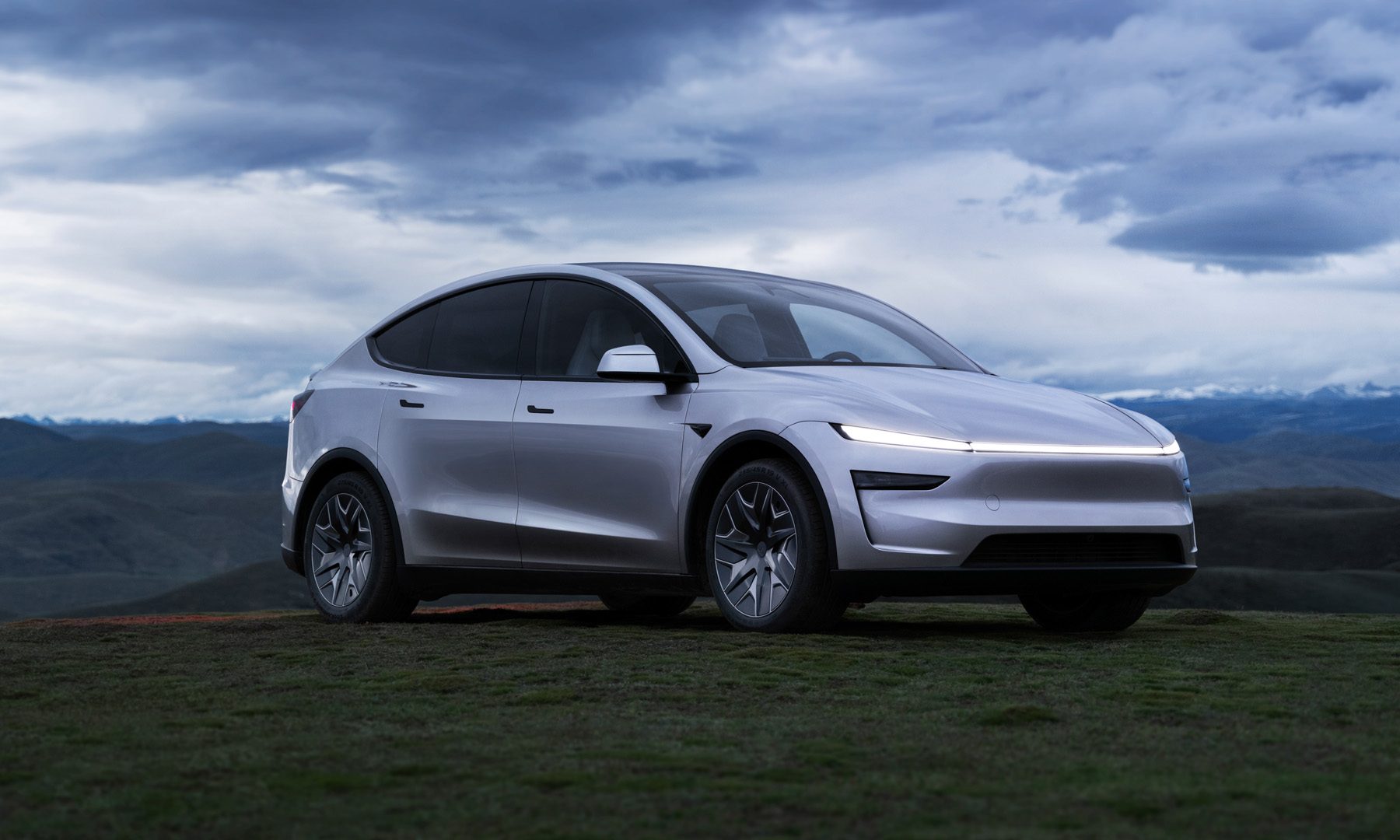
Tesla’s Full Self-Driving system just got a significant upgrade. The company began pushing FSD Supervised v14.3 to Early Access Program members on April 7. It is clear from the release notes that this one isn’t a minor software patch. Instead, it’s a substantial rethink of how the self-driving systems work. 

New release of FSD Supervised now starting to roll out

This update brings 20% faster reaction time to further increase safety, among many other improvements

Full release notes below
Full Self-Driving (Supervised) v14.3 includes
– Upgraded the Reinforcement Learning (RL) stage…

— Tesla AI (@Tesla_AI) April 8, 2026

What exactly changed under the hood?

The headline improvement in the never-ending list of release notes is a 20% faster reaction time, which has been made possible by a complete rewrite of Tesla’s AI compiler and runtime. The automaker has achieved this using MLIR (Multi-Level Intermediate Representation). This not only benefits the current models but also speeds up how quickly future updates can be deployed. 

Recommended Videos

Alongside reaction time, Tesla upgraded the reinforcement learning stage of its neural network training, including the vision encoder, which improves awareness in low-visibility conditions, 3D spatial understanding of the surroundings, and traffic sign recognition. 

For everyday Tesla drivers, this translates to multiple real-world differences. First, the system should now handle yellow lights (especially at complex intersections) with more accuracy. The cars should stop correctly at stop signs (the double-stopping at white lines issue should be gone for good), and should park with noticeably more confidence.

FSD Supervised can see & react faster than you https://t.co/JZvpfcpzeZ

— Tesla North America (@tesla_na) April 8, 2026

What should you expect on the road?

All environmental awareness upgrades should result in improved rare edge cases — small animals, unusual objects on the road, emergency vehicles, and even school buses — for more appropriate and intuitive responses. 

sWith better reaction times, improved visibility in low-light environments, and better decision-making in rare scenarios, you should expect your Tesla to provide a much better and safer self-driving experience. Unnecessary lane-hugging and mild tailgating behaviors should be toned down as well. 

In simple terms, the FSD v14.3 is a pivotal release. The wide release is currently in the initial stage, during which only early access owners with Hardware 4 vehicles will receive it. Upcoming additions include pothole avoidance and smarter driver monitoring.

Shikhar Mehrotra
For more than five years, Shikhar has consistently simplified developments in the field of consumer tech and presented them…
Tesla’s hidden door problem might end up fixing every car in America
This could permanently change how emergency exits are designed in American passenger vehicles.
Tesla Model Y Long Wheelbase Featured

Tesla's electronic door handles have been a safety talking point for years, mostly on Reddit threads and EV forums where people debate whether sleek design is worth the tradeoff when a car is on fire and power is out. 

Now the US government has formally weighed in (via The Washington Post). The outcome, I’d say, is bigger than most people think.

Read more
Ford’s UEV platform will feature Apple Maps built in
The integration will run through Apple's new MapKit for Automotive SDK and skip CarPlay's phone-mirroring approach.
Car, Transportation, Vehicle

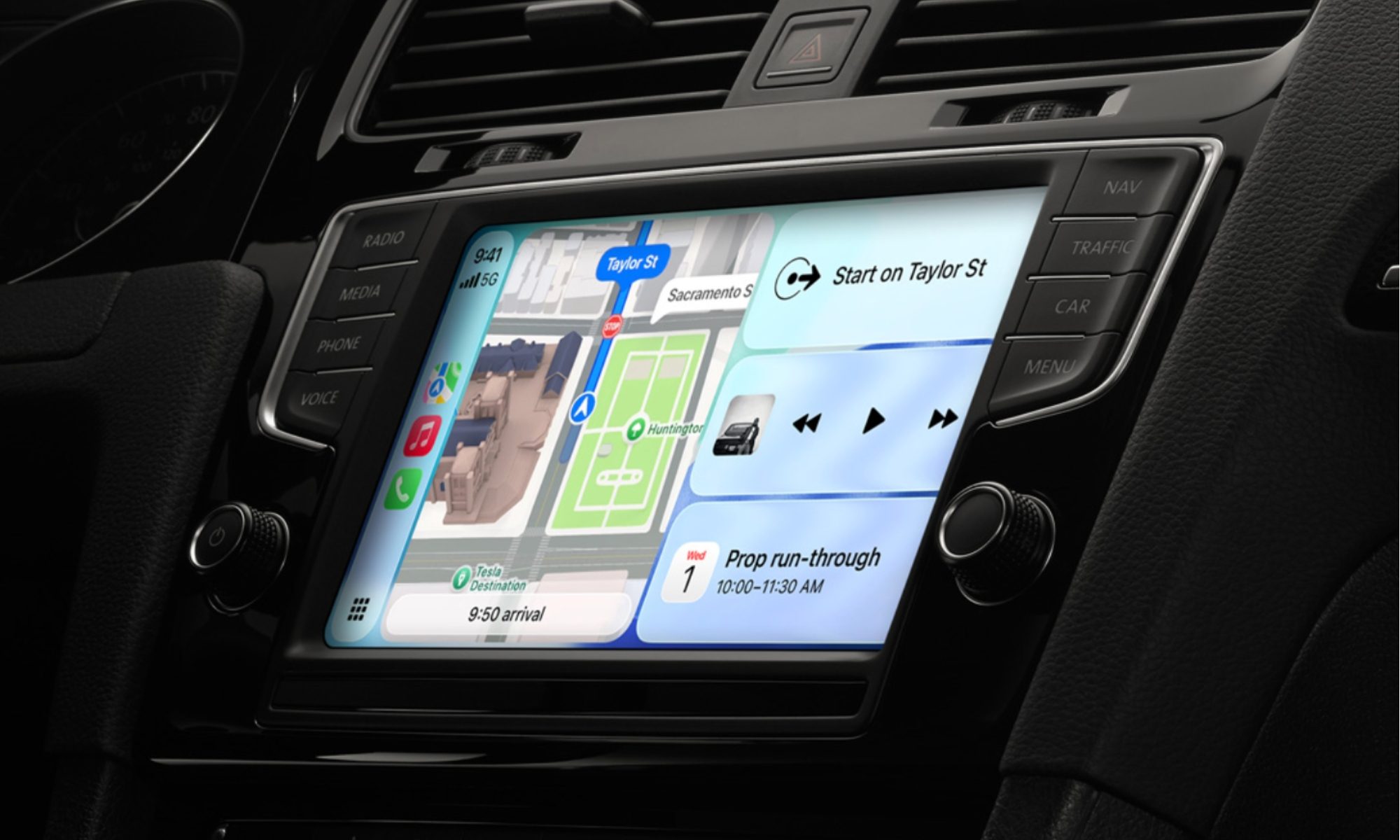
Ford's upcoming budget electric vehicle won't force you to choose between a built-in map and one borrowed from your phone. Apple announced today that Ford's Universal Electric Vehicle (UEV) platform will ship with Apple Maps running natively on the car's screens. The feature will arrive in 2027 through Apple's new MapKit for Automotive SDK, a toolkit that lets automakers build Apple Maps straight into their dashboards.

An infotainment system that doesn't need your phone plugged in

Read more
WhatsApp’s new in-car experience is built around hands-free control
CarPlay and Android Auto users can now hear and reply to messages, view call history, and reach favorite contacts without touching their phone.
WhatsApp new CarPlay experience featured

Meta is overhauling how WhatsApp works in the car, giving CarPlay and Android Auto users a lot more to do than just sending texts and making calls. The company announced the change in a newsroom post today, alongside several other updates rolling out to the messaging app.

WhatsApp finally works hands-free in the car

Read more