1. Home
  2. Wearables
  3. News

Next-gen contact lenses promise futuristic eye-tracking without pricey gear

No sensors or batteries needed, this new approach turns everyday devices into precise gaze trackers

Add as a preferred source on Google
Contact Lens, Adult, Female
XPANCEO

Eye tracking has long meant expensive hardware, infrared sensors, and controlled setups. That may not last, as a new smart contact lens system aims to deliver precise tracking using cameras you already use every day.

XPANCEO is developing a passive design that embeds microscopic patterns into contact lenses, turning them into optical markers readable by built-in cameras across laptops, phones, cars, and helmets. The shift is straightforward. You don’t need extra hardware or power to make it work.

Recommended Videos

Instead of active electronics, the lens relies on nano-patterns that move with your eye. External cameras detect those shifts and translate them into gaze direction, with reported accuracy around 0.3 degrees.

How the passive tracking actually works

Each lens contains two ultra-thin optical gratings separated by a microscopic gap. As your eye rotates, the layers shift and create changing moiré patterns that cameras can detect and interpret.

The tracking element is tiny, about 2.5 by 2.5 millimeters, and sits inside a soft material compatible with standard lens production. That suggests it could scale without reinventing manufacturing.

Most current systems rely on infrared illumination and constant processing, which increases power use and can struggle in bright conditions. This method avoids that by relying on optical geometry instead of active sensing.

Why this could matter beyond gadgets

If it works reliably, eye tracking could expand into everyday devices without adding cost or bulk. Built-in cameras could handle gaze detection, enabling more natural interaction with screens.

You could navigate interfaces by looking instead of tapping. In cars or industrial settings, existing cameras could monitor attention in real time without specialized equipment.

There’s also a medical angle. Subtle eye movements are used as indicators for conditions like Parkinson’s and Alzheimer’s, and making that tracking more accessible could expand early monitoring, though real-world validation is still needed.

What to watch next

The next step is proving this works outside controlled environments. Performance will depend on how consistently different devices can read those patterns across lighting and daily use.

If it scales, manufacturers can skip adding new sensors, lowering costs and simplifying design. That could make gaze tracking a standard feature across personal devices and vehicles.

For now, this remains early-stage research with no clear timeline or pricing. The key signals to watch are real-world testing, manufacturing readiness, and whether the lenses can deliver consistent performance without sacrificing comfort or safety.

Paulo Vargas
Paulo Vargas is an English major turned reporter turned technical writer, with a career that has always circled back to…
Shopping for back-to-school? These are the smartwatches I’d actually wear to class
From a $69 wrist companion to the newest Apple Watch, these are the smartwatches worth strapping on this semester.
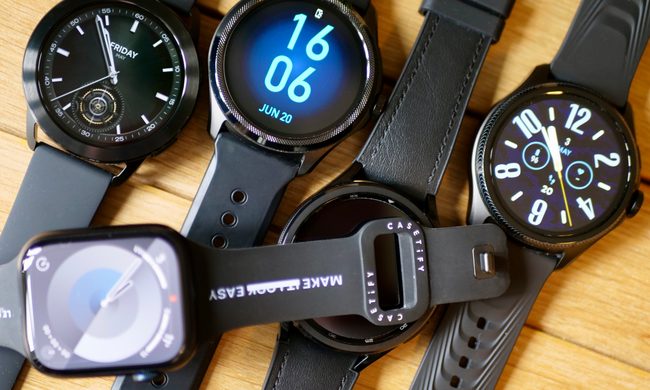
Different smartwatch models with displays illuminated.

Between early classes, evening workouts, late study sessions, and everything in between, a smartwatch can do a lot of the mental math a student doesn't have time for. Whether it's tracking sleep, reminding you to move, or keeping notifications off your phone during lectures, a good smartwatch can be both a silent organizer and a health tracker for students. 

If you’re in the market for a new smartwatch this back-to-school season, I’ve got seven recommendations for you, each with a few unique aspects. From a $69 budget pick to the newest Apple Watch, every one of them earns its keep, so the only real decision left is which features matter most to you.

Read more
Qualcomm is set to ratchet up chip prices in September, and your next gadget upgrade could bear the brunt
The price hike could touch every Snapdragon-powered device category.
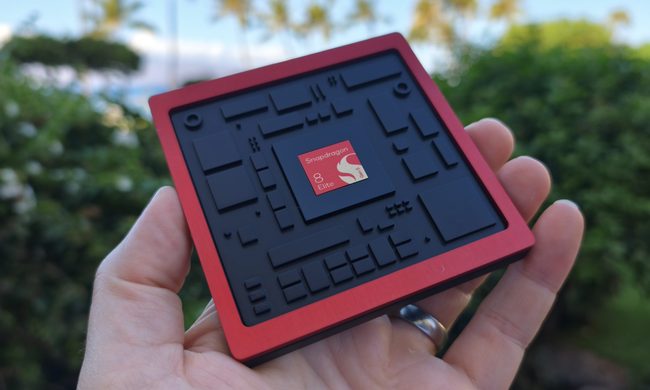
The new Qualcomm Snadragon 8 Elite Gen 5

I want you to sit with this for a second. Qualcomm, the company whose Snapdragon chips sit inside your Android phone and tablet, your Windows laptop, your Meta smart glasses, your Galaxy Watch, and your wireless earbuds, reportedly sent a letter to every major customer telling them prices are going up by double digits. 

The price hike will be in effect from September 1, 2026, a recent Bloomberg report claims. Essentially, all the companies placing their chip orders after that will pay a higher price. 

Read more
Slacked off all summer? Here are 3 fitness trackers that’ll help you stay accountable as you head back to school
Three trackers, three price points, three totally different approaches to keeping you honest about your own goals.
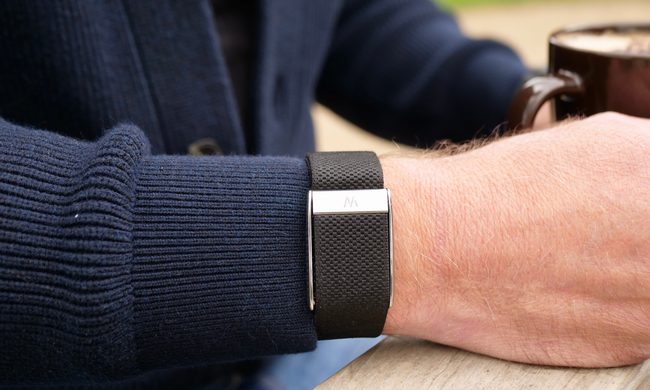
A person wearing the Whoop 5.0.

Summer break did what it usually does. Your sleep schedule drifted, workouts happened less often than you'd hoped, and by the time August rolled around, you were feeling it. You've got a plan to get back on track once the school year starts and your days have more structure, but you know how that usually goes. The first two weeks are solid, then the routine quietly slips.

A fitness tracker won't get you off your couch. What it will do is put a number in front of you every day, one that makes it obvious whether you stuck to your goal or slacked off. That small bit of visibility is often the difference between meaning to work out and actually doing it. Back-to-school season is a good time to buy in, since you're already resetting more than one part of your routine, and the overlap makes the habit more likely to stick. To keep the odds in your favor, here are three fitness trackers that can help you stay accountable and actually hit your goals.

Read more