1. Home
  2. Cars
  3. News

Samsung’s OLED tech gives the Ferrari Luce a dashboard unlike anything in a car before

Samsung Display just put its best display work not in a phone, but in a Ferrari.

Add as a preferred source on Google
Ferrari Luce
Ferrari Luce Ferrari

Ferrari just unveiled the Luce, its first all-electric car, and its design has been really divisive. Designed by former Apple design chief Jony Ive, the car is definitely turning heads, and not all for the right reasons. 

That said, while the exterior design is controversial, very few people can deny that the car’s interior is unlike anything you have seen before. One of the first things that stands out is the futuristic display aesthetic.

Recommended Videos

I think the dashboard deserves its own spotlight. Samsung Display is exclusively powering the Luce’s interior with four OLED panels, and what they have pulled off here is genuinely cool.

So what makes this dashboard so special?

The star of the show is the driver’s binnacle, the cluster in front of you that displays speed and driving information. Ferrari and Samsung have stacked two OLED panels on top of each other, a 12-inch panel on the bottom and a 12.9-inch panel on top. 

The upper panel has three circular cutouts that let you see the display underneath, while physical mechanical hands move in the gap between the two panels. It looks digital, but it feels analogue, and that’s the whole point. I have not seen this in any car before, and it’s generally awe-inspiring. 

The other two displays are a 10.1-inch panel in the central control panel, which also has mechanical hands rotating through tiny cutouts in real time, and a 6.3-inch screen for rear passengers to control climate settings and check driving information.

I also love the buttons on the secondary display to control fan speed, temperature, and seat heating. The way these physical buttons interact with the digital UI is genuinely cool. 

How did Samsung pull this off?

Making large cutouts in an active display area without ruining the image quality is hard. The hole in the Ferrari Luce’s binnacle measures around 100mm across, which is about 20 times larger than the tiny front camera hole on our smartphones. That makes it extremely difficult to route signals around the opening without causing distortion or delays. 

Samsung’s HIAA (Hole in Active Area) technology solves this by optimizing each signal design individually, so the image stays uniform and stable across the entire display regardless of the hole size. 

Whatever Samsung did to achieve this, it clearly worked. I saw some demos of the car’s interior, and the displays look crisp and sharp. Who knew one of the most exciting parts of a brand new Ferrari car’s design in 2026 would be the dashboard.

Rachit Agarwal
Rachit is a seasoned tech journalist with over ten years of experience covering the consumer technology landscape.
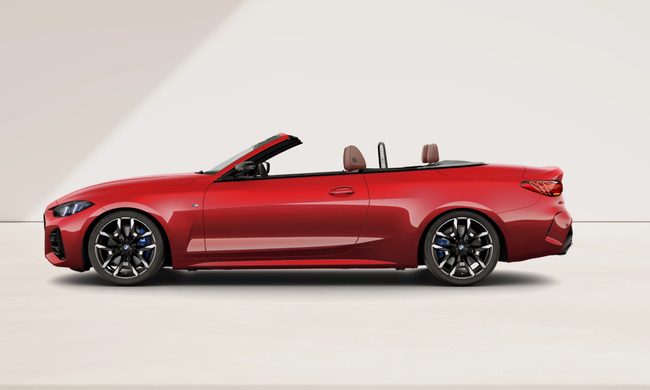
BMW could finally be building the electric convertible fans have always wanted
Good things come to those who wait, and apparently that means until 2028.
BMW convertible

There have been whispers about a two-door BMW i4 for years, and according to a new report from BMWBlog, at least one version is actually in the works. The outlet's sources close to BMW claim the automaker is readying an i4 Convertible under the internal codename NA3.

Why is BMW waiting until 2028 to launch it?

Read more
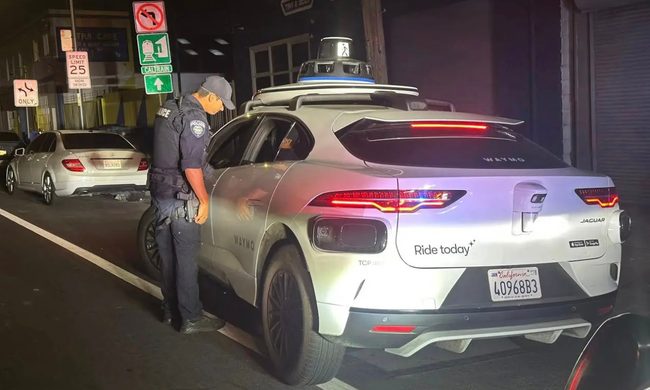
Waymo’s driverless cars keep getting parking tickets in Austin, and humans aren’t the only ones complaining
Waymo vehicles have collected $9,325 in Austin fines as repeated parking mistakes turn into a fleet-wide operational problem
A police officer investigating an empty Waymo car.

Waymo’s 83 parking citations in Austin don’t amount to a financial crisis. They do reveal what happens when the same driving decisions are repeated across an autonomous fleet.

City records obtained by The Wall Street Journal show that Waymo vehicles have accumulated $9,325 in fines since arriving in 2024. The company has paid most of them, but the more revealing detail is how often its cars have made the same mistake.

Read more
Google Maps’ biggest Android Auto upgrade is reaching more users
Google Maps is finally giving Android Auto users directions with a little more drama.
Electronics, GPS, Car

Google is widening the rollout of two long-awaited Google Maps features for Android Auto users: Immersive Navigation and a built-in live speedometer. After months of limited availability, reports suggest both features are now reaching a broader group of users, including people running stable versions of Google Maps instead of beta builds.

The update is part of Google's ongoing effort to modernize the Android Auto navigation experience. While the company unveiled Immersive Navigation earlier this year as one of the platform's biggest upgrades in years, the feature has been trickling out slowly, leaving many users without access. That appears to be changing, with more devices now receiving the update through a server-side rollout.

Read more