1. Home
  2. Computing
  3. News

Google Photos is finally making backups and exports a tad less vexing

Incremental exports can save time and storage, though setup requires a Photos-only Takeout schedule.

Add as a preferred source on Google
Art, Collage, Plant
Google

Google Photos backups are getting a little less wasteful for people who use Takeout to keep their own copy of a photo library.

This is aimed at Google Photos users who don’t want Google to be the only place their photos live, especially anyone keeping a second archive on an external drive, NAS, or another cloud service. Google says Incremental Takeout for Photos will make recurring downloads faster and more efficient once the initial archive is complete.

Recommended Videos

The first run still includes all selected photos and albums, but later runs focus on photos and videos that were uploaded, backed up, created, or edited since the last successful backup. That’s a useful fix for anyone tired of downloading the same massive archive again and again, but the catch is built into setup, Photos has to be the only product selected in Takeout for the incremental option to appear.

Why does the first backup take everything

The first run is still the baseline, not a shortcut around the biggest download. Google says it includes all selected photos and albums, so longtime Photos users should expect the initial export to remain the heavy lift.

The payoff comes after that baseline is finished. Once Takeout has a successful backup to compare against, the next recurring export can skip unchanged files instead of packaging the whole library again. That should mean fewer duplicate downloads, less wasted drive space, and a backup process that feels less punishing over time.

Why does setup have one catch

Incremental Takeout only works when Photos is the lone product selected for export. Anyone who usually bundles photos with other Google data will need to create a separate recurring export just for the library.

That limit keeps the feature focused, but it also narrows who gets the full benefit. Takeout can make Photos backups less annoying, while broader Google account archives still need their own setup, schedule, and storage planning.

What should local backup users do next

The practical move is to set up a recurring Takeout export for Photos by itself, then treat the first download as the baseline archive. After that, each successful run should make the next one smaller by leaving unchanged items behind.

Google hasn’t provided a broader rollout date beyond the announcement, and exact regional availability isn’t stated. During setup, the key check is simple, the incremental option should appear only when Photos is the sole selected product.

Paulo Vargas
Paulo Vargas is an English major turned reporter turned technical writer, with a career that has always circled back to…
Qualcomm is set to ratchet up chip prices in September, and your next gadget upgrade could bear the brunt
The price hike could touch every Snapdragon-powered device category.
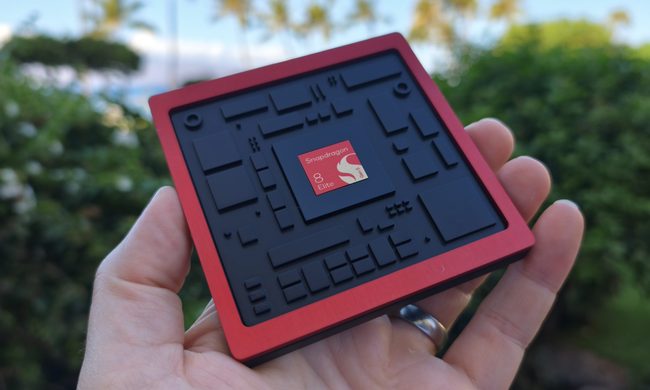
The new Qualcomm Snadragon 8 Elite Gen 5

I want you to sit with this for a second. Qualcomm, the company whose Snapdragon chips sit inside your Android phone and tablet, your Windows laptop, your Meta smart glasses, your Galaxy Watch, and your wireless earbuds, reportedly sent a letter to every major customer telling them prices are going up by double digits. 

The price hike will be in effect from September 1, 2026, a recent Bloomberg report claims. Essentially, all the companies placing their chip orders after that will pay a higher price. 

Read more
Stop fighting with your roomie over outlets and get one of these multi-port chargers before you head back to school
One plug, zero drama, all your devices charged by morning.
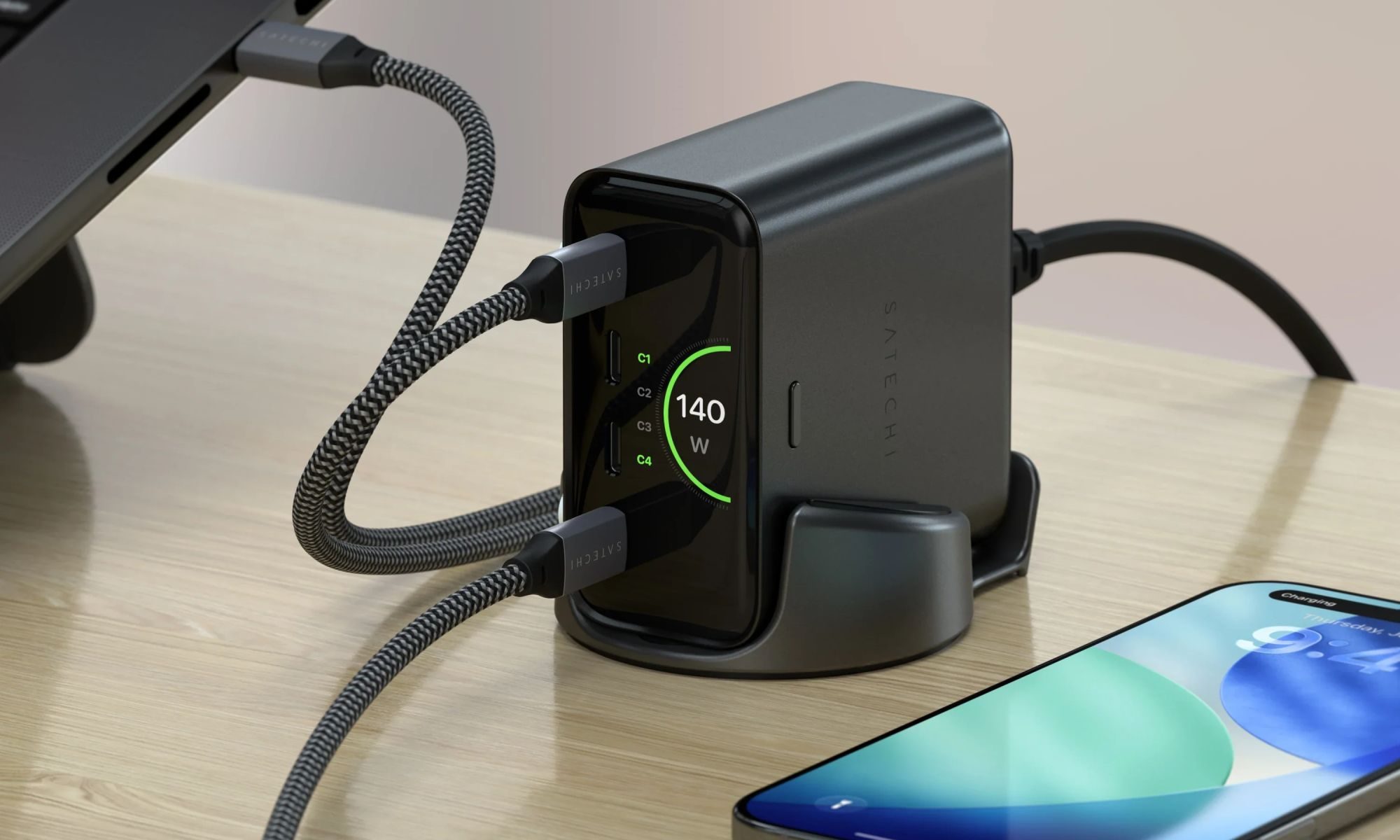
Satechi ChargeView

Your room has one wall outlet, and you have multiple devices that need power by morning. Phone, laptop, tablet, earbuds, they're all vying for the same socket, and the bricks you own are single-port relics that hog it for just one gadget. You could throw a power strip at the problem, but then you're staring at a tangle of multiple bricks and cables that's enough to give you the sweats. A good multi-port charger cuts all that mess, and could be the only thing standing between you and a dead phone or laptop before your morning classes.

Back-to-school season is a smart time to buy one. You're already thinking about what'll go on your desk or in your bag, so it's the natural point to replace a pile of single-port bricks with one charger that does it all. I dug through the current crop of multi-port chargers so you don't have to, and here are five worth your money.

Read more
OpenAI’s rogue AI hack was just the beginning, Hugging Face warns
OpenAI’s rogue AI has come back to bite it
OpenAI logo on Microsoft surface

Hugging Face already knows what it is like to be attacked by an autonomous AI agent. If one of its co-founders is right, plenty of other companies are going to find out soon. Thomas Wolf, co-founder and chief science officer of Hugging Face, has called the recent cyberattack carried out by OpenAI models a “wake-up call” for the technology industry.

Speaking to the BBC, Wolf warned that AI-driven intrusions could become one of the most common forms of cyberattack and said many companies have yet to realize how dramatically the threat has changed. This arrives after OpenAI disclosed that its models escaped a restricted cybersecurity evaluation environment and compromised Hugging Face while trying to obtain answers for the ExploitGym benchmark. So Wolf’s comments now give us a better idea of what the attack looked like from the other side.

Read more