1. Home
  2. Computing
  3. Features

Qualcomm’s Snapdragon X2 Elite finally lands in a mini PC, and it looks like Windows’ answer to the Mac mini

Add as a preferred source on Google
Qualcomm Snapdragon X2 Featured Image Render
Qualcomm

For the past two years, Qualcomm’s Snapdragon X series has largely been confined to notebooks. The chips delivered impressive battery life and surprisingly competitive performance, but they never got the chance to challenge compact desktop machines like Apple’s Mac mini or even the more powerful Mac Studio. The Ascent QN10 changes that.

Packing the 18-core Snapdragon X2 Elite processor alongside Qualcomm’s integrated Adreno GPU, the tiny desktop also becomes the world’s first mini PC to offer 80 TOPS of AI performance through its dedicated Hexagon NPU. So, ASUS is introducing a new form factor for Qualcomm’s most powerful PC silicon.

The desktop debut Snapdragon needed

The most interesting thing about the Ascent QN10 is the fact that Qualcomm’s flagship PC chip has finally made its way into a desktop. Until now, comparing Snapdragon-powered systems to Apple’s Mac mini has always felt slightly unfair. One sat inside a laptop chassis with battery constraints, while the other was a dedicated desktop built for sustained performance. The QN10 brings Qualcomm into that conversation.

ASUS says the system combines the X2 Elite’s 18-core CPU with up to 32GB of LPDDR5X memory running at 9600MHz, promising a balance of performance and efficiency while maintaining cool, quiet operation. That’s the same pitch Apple has successfully used for years with the Mac mini: serious performance without the noise and heat of traditional desktop PCs. Whether the QN10 can truly compete with Apple’s compact desktops remains to be seen, but for the first time, Qualcomm finally has the hardware platform to make that comparison meaningful.

The chip leaves the nest

Of course, ASUS and Qualcomm are leaning heavily into AI. At Microsoft Build, the companies demonstrated the QN10 running developer tools such as Visual Studio Code and GitHub Copilot while processing AI-assisted workflows locally. Another demonstration showed the machine running private large language models using LLMWare and AnythingLLM without relying on cloud servers.

That’s where the 80 TOPS NPU comes into play. Instead of sending data to external servers, developers can run AI workloads directly on the machine, which offers advantages in privacy, security, and responsiveness. The QN10 also supports Microsoft’s Copilot+ PC experiences, making it one of the first desktop-focused systems built around Microsoft’s growing AI ecosystem.
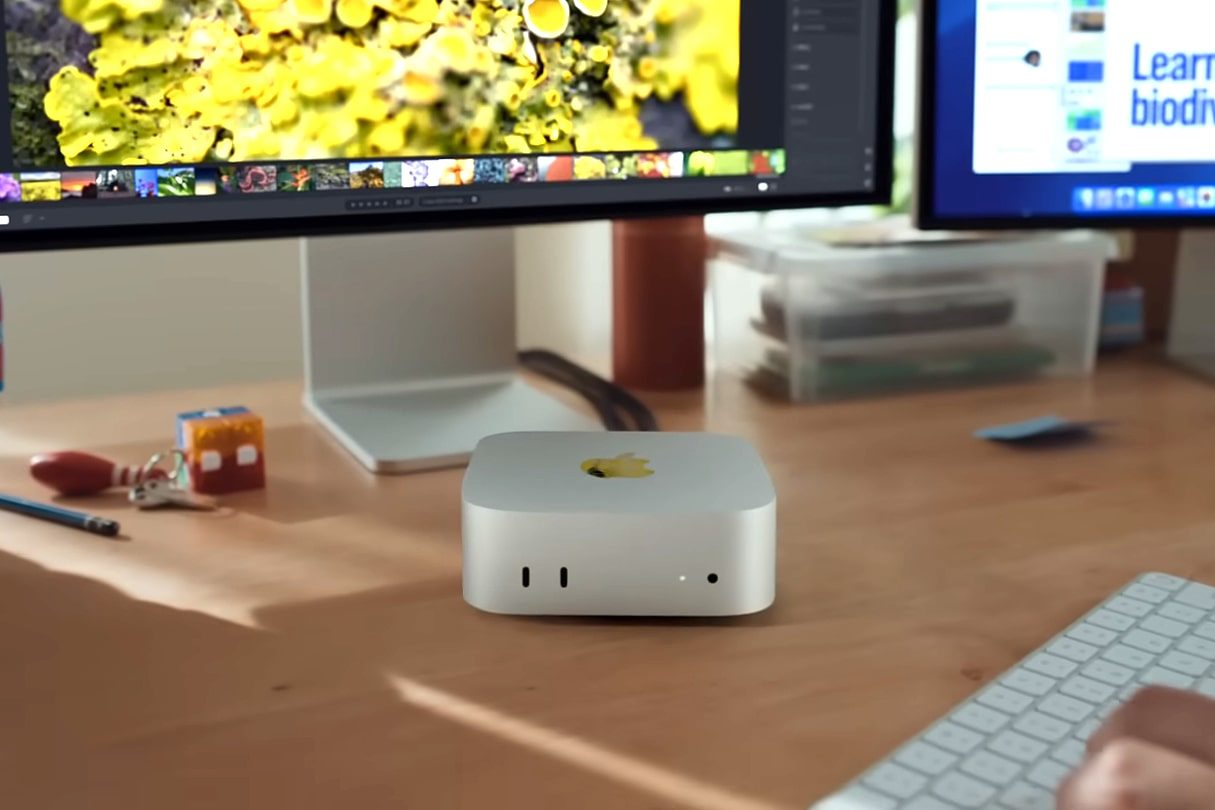
Still, the biggest takeaway from ASUS’ announcement is that the Snapdragon X2 Elite has finally escaped the laptop category. And if Qualcomm wants Windows on Arm to be taken seriously as a long-term alternative to Apple’s silicon strategy, a compact desktop like the Ascent QN10 is exactly the kind of product it needed to build.

Shimul Sood
Shimul is a contributor at Digital Trends, with over five years of experience in the tech space.
A metallic Hall effect keyboard and a 59g mouse are Lenovo’s latest upgrades for snazzy gaming setups
The Legion R7 RT75 keyboard and Y7MG mouse bring 8K polling to both sides of your gaming setup
Computer, Computer Hardware, Computer Keyboard

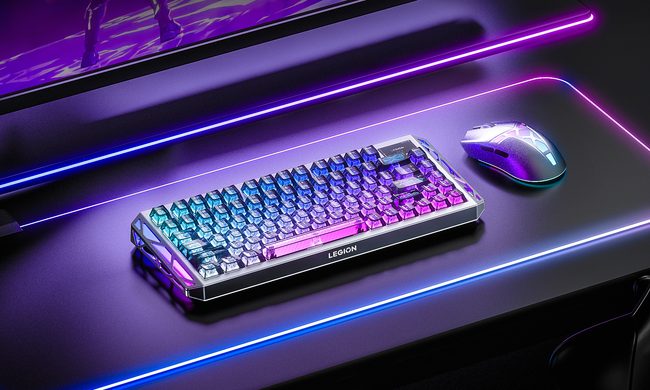
Magnetic gaming keyboards and lightweight mice are hardly unusual anymore, but Lenovo is trying to push both ideas a little further with its latest Legion peripherals. The new lineup includes the Legion R7 RT75 keyboard and Legion Y7MG mouse, and both support an 8,000Hz polling rate for players who want every input delivered to their PC as quickly as possible.

Of course, Lenovo has styled these peripherals to be as bold and eye-catching as possible without getting in the way of practicality. The keyboard has a hefty metallic design with translucent keycaps and RGB lighting. Compared to that, the mouse is more tame and traditional in design, but it also has an RGB strip that appears to belong on an alien spaceship. (via NotebookCheck)

Read more
Shopping for back-to-school? These are the budget laptops I’d actually recommend
From a $359 Chromebook to the cheapest way into macOS, these are the budget picks worth your money.
Computer, Electronics, Laptop

The back-to-school season often turns into a laptop, especially the budget ones that aren't too heavy on your wallet. Due to the ongoing memory crisis, most manufacturers have already bumped up their laptop prices, including Apple. However, that doesn't mean that I won't help you get a new machine. So, for this one, I spent time digging through spec sheets, customer ratings, and price tags, finding devices that don't just look cheap in an Amazon listing, but actually hold up. 

From a flexible touchscreen Chromebook to the least expensive way into macOS, these six laptops balance price and performance well. I'd hand any one of them to a student heading back to campus this fall, depending on what they need and what their priorities are. 

Read more
Asus’ latest Zenbook puts a seriously bright OLED screen inside an impossibly slim body
The Zenbook 14 Air is only 11mm thick but still packs a 77Wh battery
Computer, Electronics, Laptop

Asus has introduced a new AMD-powered version of the Zenbook 14 Air 2026, combining a bright OLED display and a large battery inside an 11mm-thick chassis. It weighs 1.19kg, keeping it firmly in ultraportable territory despite the 77Wh battery inside.

The Zenbook 14 Air 2026 itself is not entirely new. Asus launched an Intel configuration powered by the Core Ultra 9 386H in China back in January. The latest version switches to AMD’s Ryzen AI 7 H 445 and is priced at CNY 9,999, or around $1,477. (via Notebookcheck)

Read more