1. Home
  2. Computing
  3. Legacy Archives

World’s first microchip fails to reach minimum price at Christie’s auction

Add as a preferred source on Google

A huge piece of computer science history has ultimately come up short — on the auction block.

The world’s first integrated circuit, manufactured in 1958 by Texas Instruments engineer Jack Kilby, went up for auction this week at Christie’s.  Valued by the auction house at $1 to $2 million, the microchip is considered the original ancestor of all integrated circuits in use today, paving the way for the modern computer; it also won Kilby the Nobel Prize in Physics in 2000.

Recommended Videos

A tiny germanium wafer with gold wiring mounted on a glass plate, the microchip was up for auction along with a second, sturdier prototype and a statement from chip builder Tom Yeargan, detailing how he brought Kilby’s design to life.

“You can think of it as the birth certificate of computing,” James Hyslop, a science specialist at Christie’s, told Bloomberg. “The microchip is one of the most important stepping stones to creating modern computers.”

Yet, when it came time to bid on the historic invention, auctioneers did not value it so highly. Bidding only reached as high as $850,000, failing to meet the minimum reserve price.  Now, it’s not exactly clear what will happen to the chip; a spokesperson for Christie’s did not indicate whether or not it will go up for auction again.

Kilby’s chip isn’t the only one of its kind, as there are two other early microchip prototypes that can be found at the Smithsonian and Chicago’s Museum of Technology. Dag Spicer, a senior curator at the Computer History Museum in Mountain View, California, predicted that the potential buyer pool for Kilby’s chip would be pretty shallow, as the cost is much too high for many museums.

“That price is in the stratosphere,” Spicer told Bloomberg. “I was scratching my head about who might be a potential buyer.”

Loren Grush
Former Digital Trends Contributor
Loren Grush is a science and health writer living in New York City, having written for Fox News Health, Fox News SciTech and…
Google’s new Magic Pointer Play Store listing reveals a Gemini shortcut built for Googlebooks
The unannounced app turns the cursor into a contextual AI tool for search, image creation, and shopping
Plant, Text, Business Card

Google has quietly published a new Play Store listing for Magic Pointer, an unannounced app built for Googlebooks. Updated on July 10, the app turns the cursor into a Gemini shortcut that can act on whatever a user selects on screen.

Magic Pointer can send an image to Lens, generate a related image, or surface a shopping action without forcing users to open a separate chatbot. Regular Android devices currently show as incompatible, so the listing offers an early preview rather than a broad release.

Read more
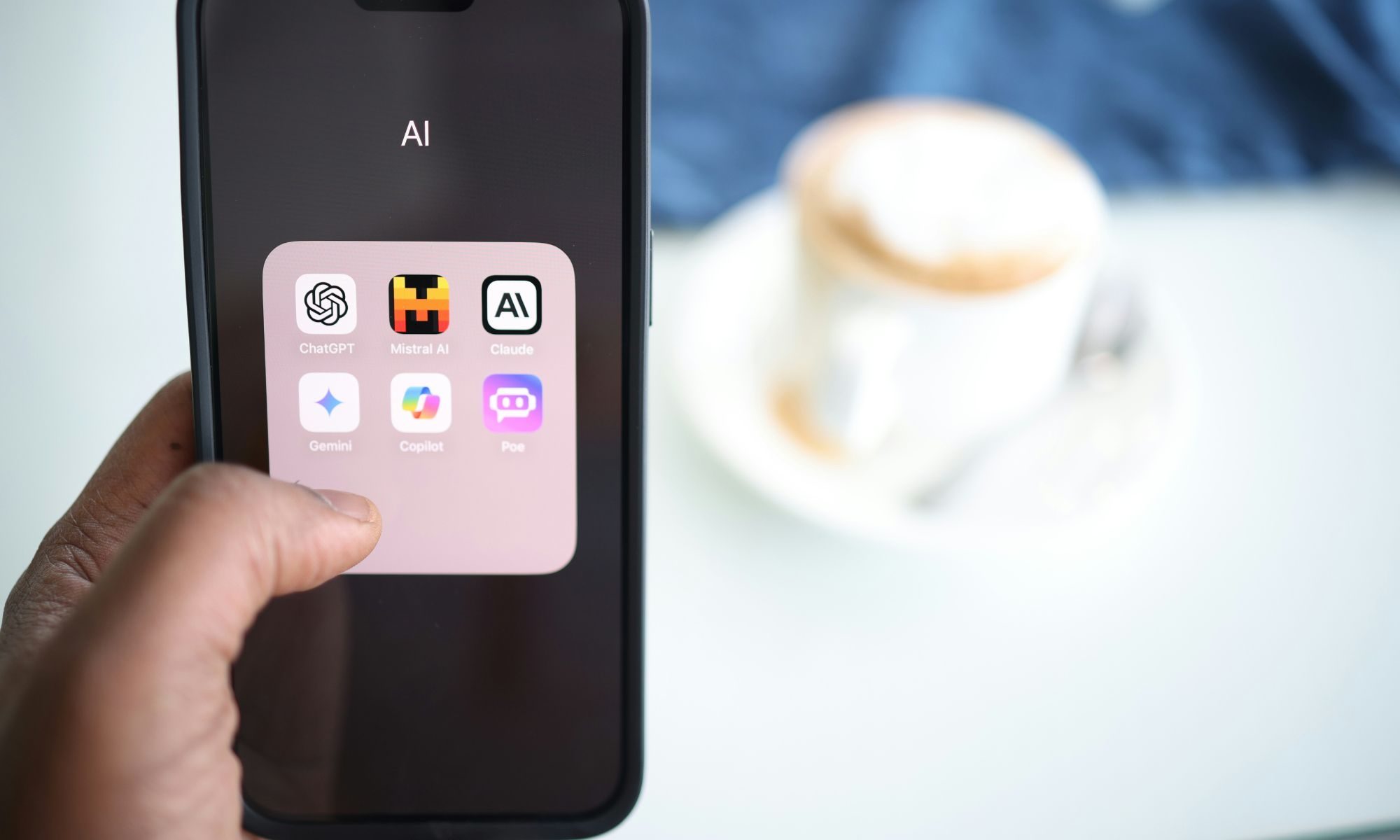
You can stop using AI, but this new report says you probably can’t escape it
A UK survey found that most people feel AI exposure is unavoidable, raising harder questions about consent, privacy, and whether opting out is still realistic
AI Chatbots

More people are trying to use less AI, but avoiding it altogether may already be impossible.

A survey of 2,055 UK adults found that 42% deliberately limit how much AI they use. Another 70% said avoiding AI exposure would be difficult or impossible, even when they actively wanted less of it.

Read more
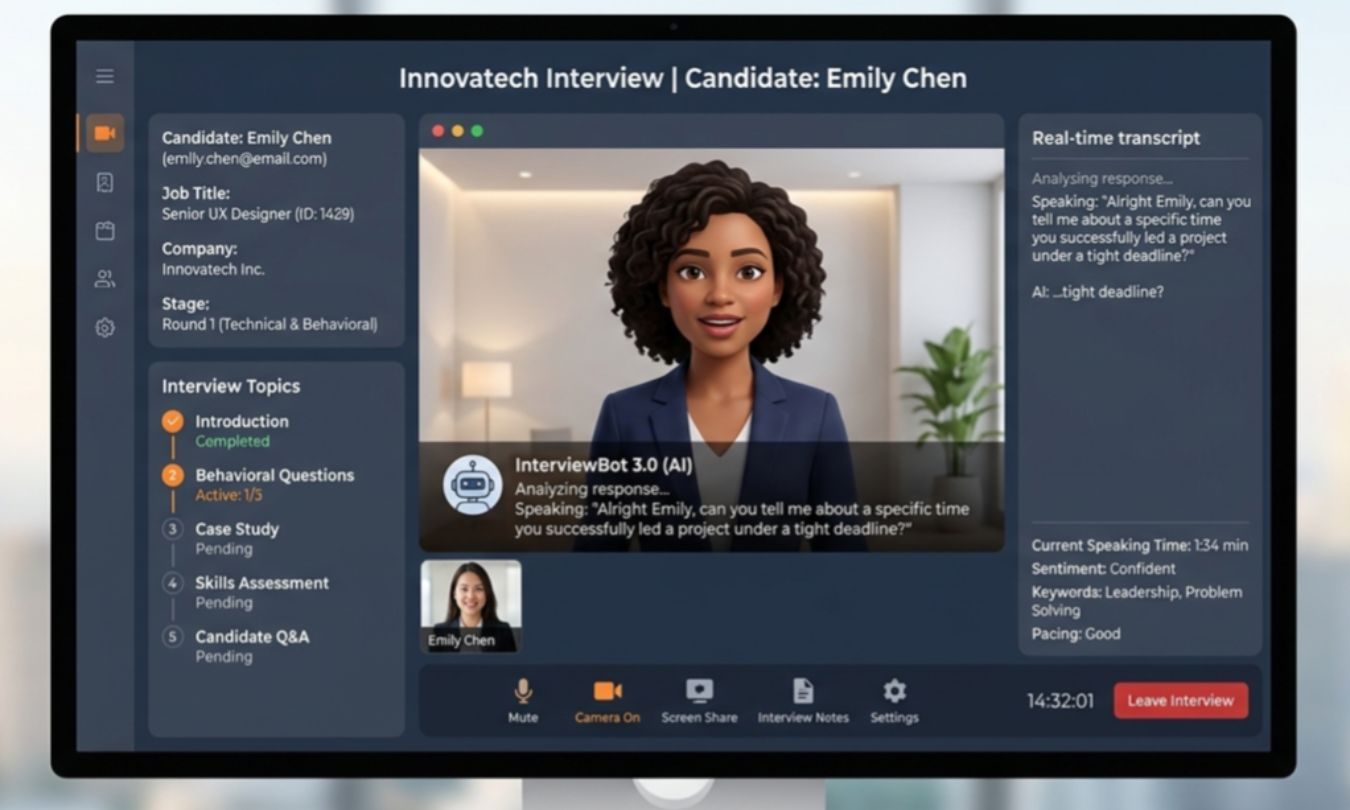
The face on an AI interviewer may matter as much as the decision it makes
Researchers found that race and gender matching changed how fairly rejected applicants viewed an automated interview, even though everyone received the same outcome
File, Computer Hardware, Electronics

An AI hiring system can treat every applicant the same and still leave some people feeling targeted. Researchers found that rejected candidates judged an automated interview differently depending on the race and gender of the avatar delivering the result.

Around 220 participants completed a simulated interview for a fictional customer support role with one of four photorealistic AI avatars. Everyone was rejected, yet perceptions of fairness shifted with the interviewer’s appearance. An algorithm audit could miss that reaction because candidates don’t experience the system as raw code. They experience a face asking questions and judging their answers.

Read more