1. Home
  2. Computing
  3. Legacy Archives

Windows 7, XP and 8.1 desktop share rises, while Windows 8 falls

Add as a preferred source on Google

Though Windows 8 is approaching nearly two years of age, it has virtually no hope of becoming as popular as an operating system that was released in 2001.

Despite the fact that Windows XP is no longer supported, according to Net Marketshare, its desktop operating system share stands at 25.31 percent as of last month. That’s an increase of 25.27 percent from May.

Recommended Videos

Meanwhile, Windows 8’s desktop OS share is a measly 5.93 percent, which is a drop from 6.29 percent in May.

It gets worse for Windows 8 though. Even though it is three years older, Windows 7 is by far the most popular desktop operating system in the world, occupying just over half the pie with share percentage of 50.55. That rose from 50.06 percent in May.

On the bright side for Microsoft’s newer operating systems, Windows 8.1’s popularity is rising, but not by much. Windows 8.1’s share rose from 6.35 percent in May, to 6.61 percent in June.

There are likely two primary releases for Windows 8’s fall. First, considering that Windows 8.1 was released in October, OEMs are mostly selling systems loaded with Windows 8.1, as opposed to Windows 8. Second, considering that Windows 8.1 is a free update for Windows 8 owners, it’s only natural that Windows 8 users would take advantage of the freebie.

Nevertheless, the usage numbers for both Windows 8 and 8.1 are paltry, and will likely remain that way for the duration of their existence.

Reports about Windows 9 recently indicated that Microsoft will be attempting to woo desktop PC users over to its upcoming operating system once it is released. Rumors have indicated a possible Spring 2015 release date for Windows 9.

Konrad Krawczyk
Former Computing Editor
Konrad covers desktops, laptops, tablets, sports tech and subjects in between for Digital Trends. Prior to joining DT, he…
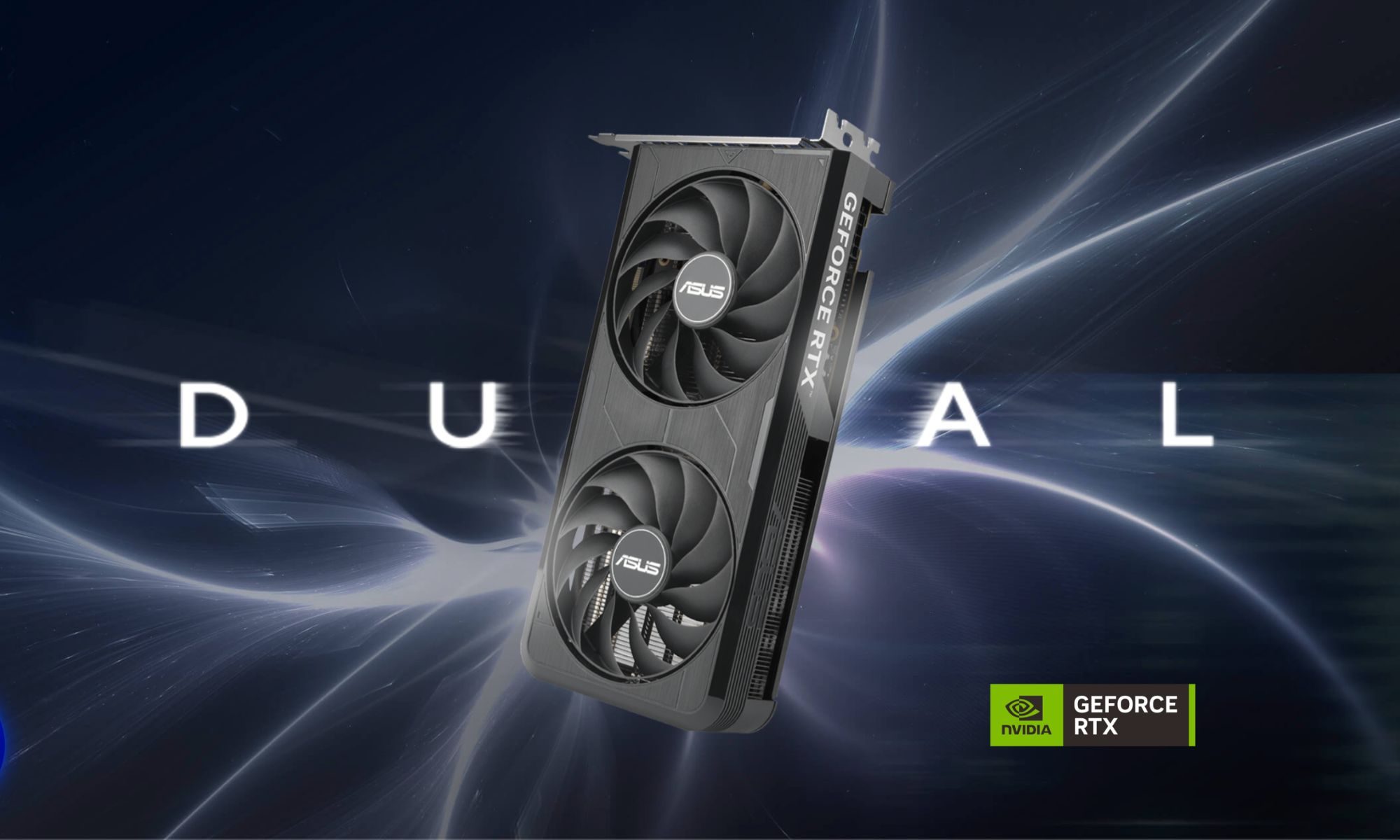
Asus and Gigabyte just made your next RTX 50 GPU even more expensive
One canceled order shows exactly how brutal the current market has become for buyers.
asus-nvidia-GeForce-RTX-5060-evo

After weeks of rumors around another round of hikes, Asus and Gigabyte have pulled the plug. They’ve made the impending price hike official, increasing prices across their entire RTX 50 lineup, and even AMD's Radeon RX 9000 cards. 

It’s worth mentioning that both companies already raised prices in January, blaming the ongoing DRAM and NAND memory shortage and surging costs. From what it looks like, things have only gotten worse since. 

Read more
Huawei made an utterly sleek laptop that’s 35% lighter than MacBook Air. Too bad you don’t need it.
The MateBook Pro S weighs less than 800 grams but runs HarmonyOS instead of Windows
Pen, Notebook, Computer

Huawei has made one of the most tempting ultralight laptops most people will probably never consider buying. The new MateBook Pro S weighs just 798 grams in its lightest configuration, making it around 35% lighter than the 13-inch MacBook Air. It is slightly thicker at 11.9mm, but Huawei still managed to fit a larger display and a 54Wh battery inside its magnesium-alloy chassis.

Its color options are pure eye candy, too. The soft pastel finishes immediately reminded me of the MacBook Neo and give the laptop far more personality than the usual sea of silver, gray, and black ultrabooks.

Read more
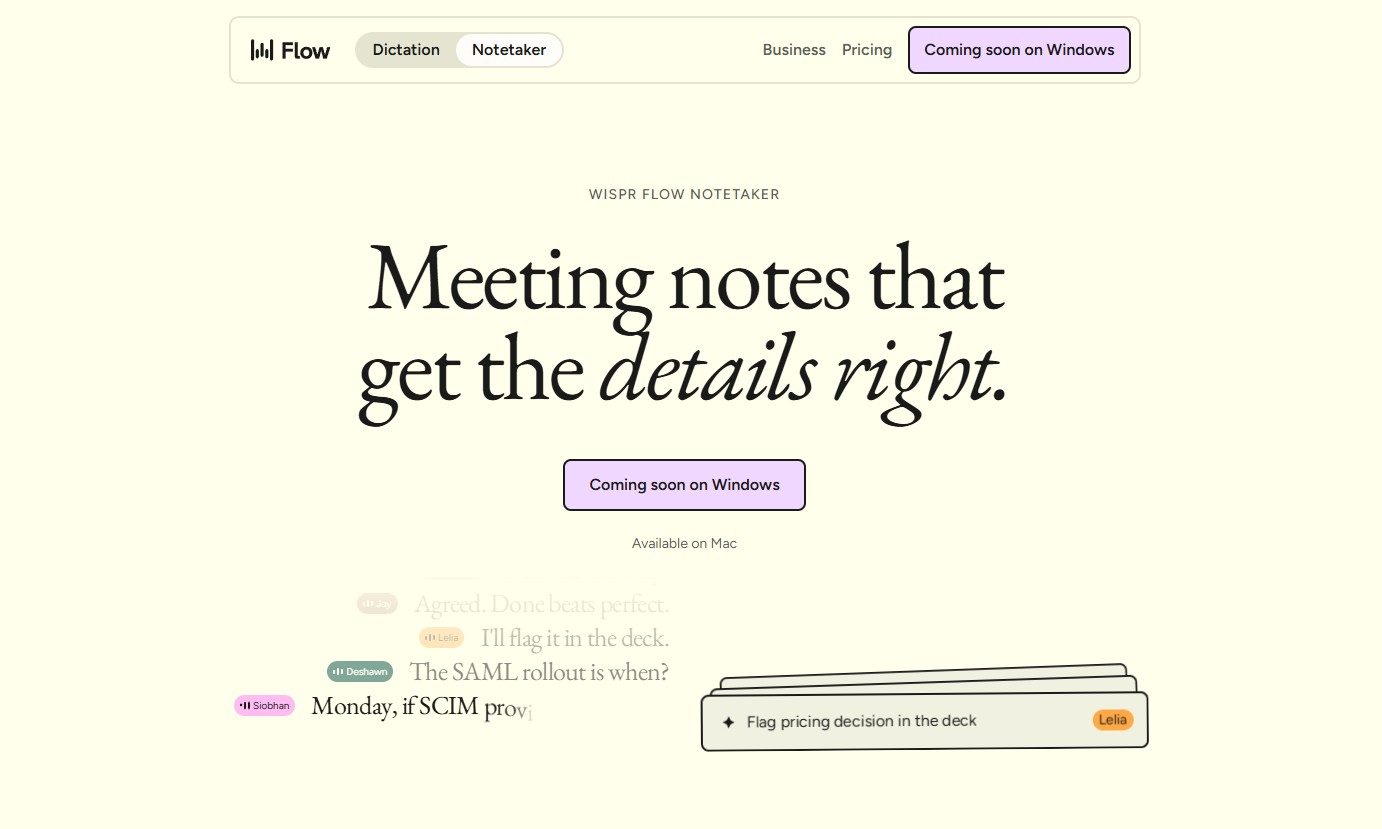
Wispr Flow launches an AI note-taker that works without joining calls
The new Wispr Flow tool called Notetaker creates live transcripts, summaries, and follow-up notes
Page, Text

Wispr Flow has launched Notetaker, an AI meeting assistant built into its existing Mac app. It can record conversations, show a live transcript, and prepare notes covering decisions, deadlines, assigned work, and unresolved issues.

Wispr Flow is best known for its dictation tool, which turns spoken thoughts into edited text wherever the user is working. Notetaker takes the company beyond voice typing and applies its transcription technology to meetings, interviews, and in-person conversations.

Read more