1. Home
  2. Photography
  3. Mobile
  4. Legacy Archives

Turn subway billboards into art with ad-blocking augmented reality app

Add as a preferred source on Google

Subway stations in New York City are covered with billboards. With an annual ridership of more than 1.7 billion people, you can see why all those eyeballs are highly sought after by advertisers. But instead of ads that are trying to sell you something, what if these subway stations became underground museums, replacing posters of movies or soft drinks, with artworks? That’s the intention of an augmented reality app called No Ad.

The free app for iOS and Android smartphones and tablets is simple to use. Just launch it and, using the device’s camera, position it over an ad. Onscreen, you can see the physical billboard transform into a digital static or animated artwork – turning your wait for a subway train to arrive, into a cultural experience. No Ad has collaborated with 50 artists, but it is planning to expand that with new partnerships and display new art on a month-to-month basis.

no-ad
Image used with permission by copyright holder

One of those upcoming partnerships is with the International Center of Photography. In mid-October, No Ad will feature photographs from the Center’s collection.

Recommended Videos

Related: Authenpic app aims to bring back surprises, long wait times of analog photos

No Ad was created by Jordan Seiler, an artist and activist who runs the PublicAdCampaign website, The Heavy Projects, and Jowy Romano, creator of the Subway Art Blog, all collaborating as Re+Public. According to American Photo Magazine, the project channels artists such as Keith Haring and COST, who “sought to take control over and diversify the imagery with which upwards of 5 million commuters were bombarded on a daily basis.” While the app is made for mobile devices, ultimately, the creators “envision a future where users passively experience AR without cumbersome handheld devices, and instead simply use heads-up displays to experience an augmented public space hands free.”

We put No Ad to a quick test. The ad on the left is too new, but it replaced the one on the right with artwork (notice the artist's name listed above). We had about a 30 percent success rate, but it was still very fun.
We put No Ad to a quick test. The ad on the left is too new, but it replaced the one on the right with artwork (notice the artist’s name listed above). We had about a 30 percent success rate, but it was still very fun. Image used with permission by copyright holder

The app won’t work if an ad has been altered or there’s graffiti on it – which, as the app’s creators see it, has become some form of illegal art or an ad blocker – calling it a feature of the app, not a flaw. And as of now, the app will only work on the “100 most popular horizontal subway platform advertisements…often for movies, TV shows, and popular products,” throughout New York City Subway. The app will also not work if there’s a single, dominant advertiser, or if the ads have not yet been catalogued in its system. And, as you’ve probably figured it out, currently it only works in New York City.

(H/t American Photo Magazine)

Les Shu
Former Senior Editor, Photography
I am formerly a senior editor at Digital Trends. I bring with me more than a decade of tech and lifestyle journalism…
I bought Kodak’s viral keychain camera, and the bad photos are part of its charm
The Kodak Charmera is barely a camera, and I still keep using it
Machine, Wheel, Camera

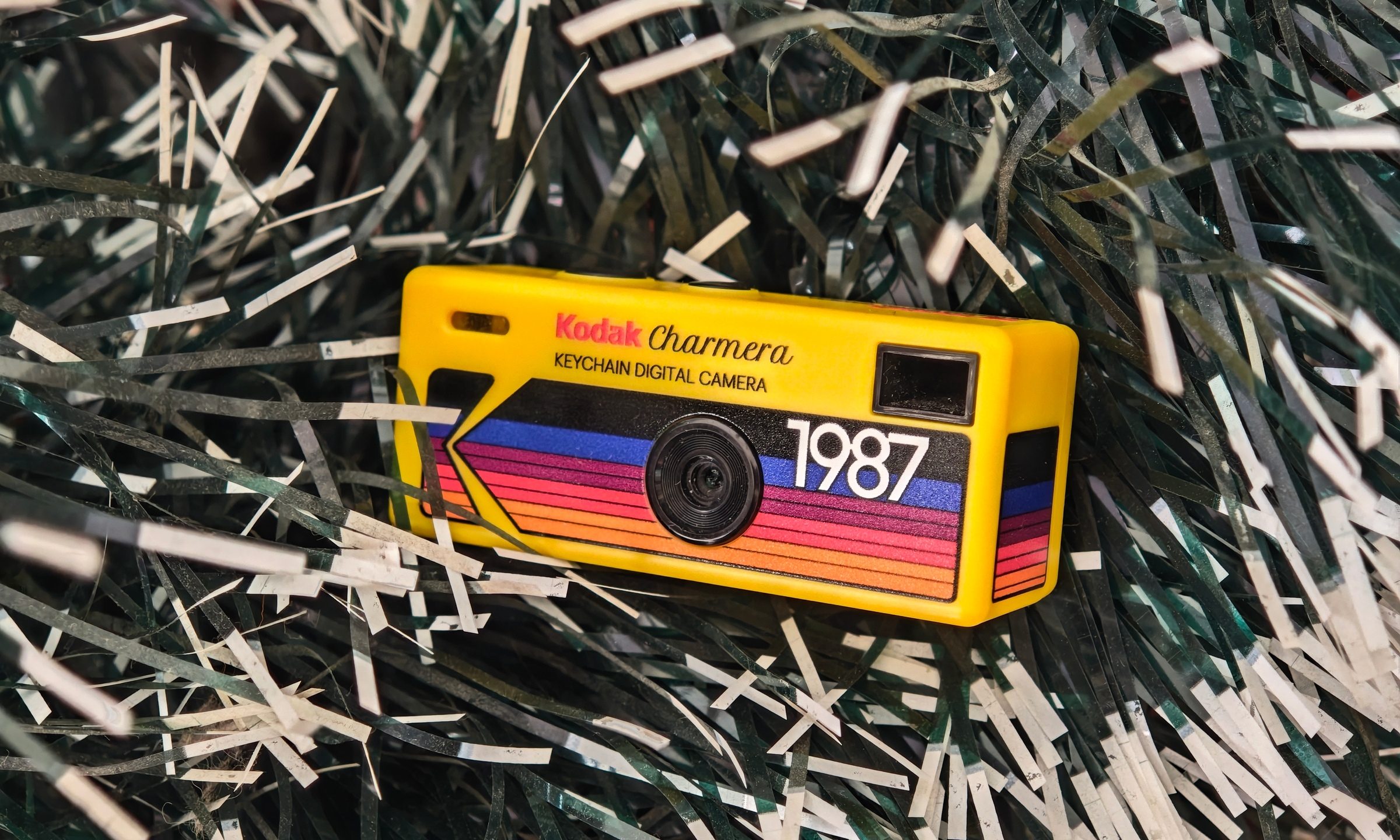
I bought the Kodak Charmera partly because I wanted a portable digital camera, and partly because I wanted a pretty little collectible. The Charmera is sold as a blind box, so you do not know which version you are getting until the box is opened. There are multiple retro Kodak-style designs, plus a transparent secret edition that looks like the one everyone would want.

I had the shopkeeper pick my box for better luck, and it worked out. I got the yellow variant, which is inspired by Kodak's original 80s disposable camera. The transparent one is definitely the fun collector’s piece, but the yellow model feels like the proper Kodak version. It looks like a tiny toy camera that escaped from a souvenir shop, found a keyring, and now hangs around wherever you go.

Read more
This new $30 keychain camera is coming for Kodak Charmera with a flip screen for selfies
Yashica's new camera makes toy photography more fun
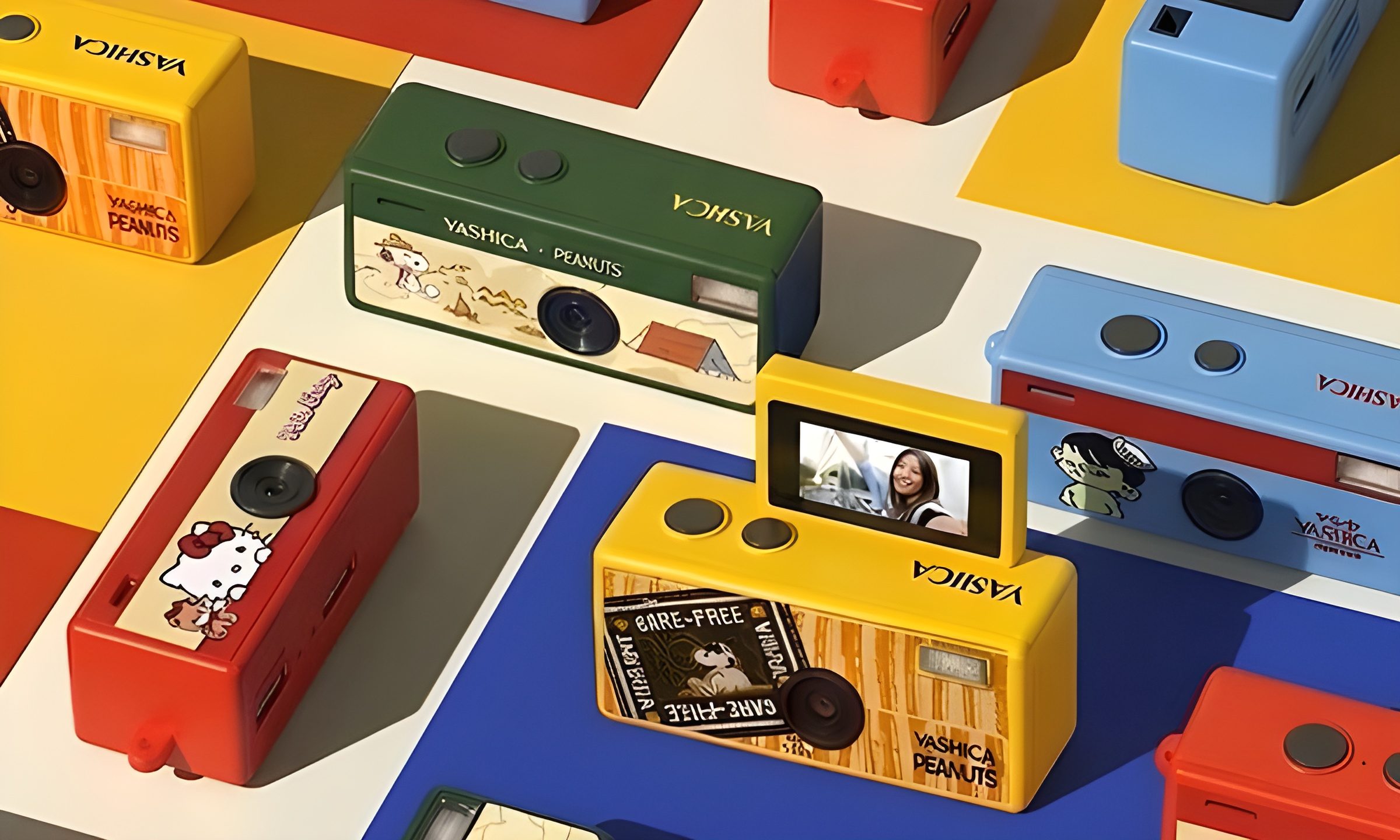
YASHICA Funtastic Keychain Camera in multiple variants

Tiny digital cameras are all the rage, and Yashica is now offering a very cute toy photography experience of its own. The company’s new Funtastic Keychain Camera is exactly what the name suggests, a miniature digital camera small enough to clip onto your keys, bag, or lanyard. The popular Kodak Charmera is the obvious comparison, which brings a tiny blind-box keychain camera that became a viral collectible.

Now, Yashica's version lands in the same novelty-camera lane, but adds one very useful trick, which is a 180-degree flip screen.

Read more
Google releases big v4.0 update for its popular Snapseed editing app on Android
Electronics, Phone, Mobile Phone

After years of sitting on its hands, Google appears to have remembered it owns one of the best photo editing apps on mobile. Snapseed 4.0 is now rolling out to Android, bringing the platform up to speed after a stretch of iOS exclusivity that left Android users watching from the sidelines.

The story starts last June, when Google quietly broke Snapseed out of its long dormancy with a significant 3.0 update for iPhone. It was a surprise move that suggested the company was serious about the app again. Google then confirmed at the start of this year that Android wouldn't be left behind for long, and true to that word, the Play Store listing has now been updated to reflect version 4.0 — skipping straight past 3.0 for Android users and landing both platforms on the same version simultaneously.

Read more