1. Home
  2. Cars
  3. News

Nissan adds its camera tech to deep sea robots for better oceanic rock crawling

Add as a preferred source on Google

We often think about how cars handle traversing the various terrains of the globe, but we never think how capable our car would be if it suddenly needed to drive on the ocean floor. We have more than a few very good, obvious reasons for that, but it hasn’t stopped Nissan from helping scientists build remote vehicles for undersea exploration.

Nissan has partnered with the Japan Agency for Marine-Earth Science and Technology (JAMSTEC) to develop remotely operated vehicles that will be used to search the sea bed for natural resources. Specifically, the automaker is providing its Around View Monitor (AVM) technology to help the robot rock crawlers navigate the sea floor more safely.

150313_Topy_Toyohashi_0797
Image used with permission by copyright holder

What the AVM does on cars like the Nissan Juke, Qashqai, and X- trail is provide a 360-degree overview of the car, simulating a bird-s-eye view. This helps drivers avoid obstacles in tight maneuvers or tricky parking situations. For the ROV’s, the AVM function the same way but will also have a new 3D rendering capability that will display the immediate topography around the vehicle.

Recommended Videos

This will allow the ROV operator to better measure distances while roving, improving situational awareness and subsequently the efficiency of undersea searches.

150313_Topy_Toyohashi_0702
Image used with permission by copyright holder

Above sea level, Nissan’s AVM tech is a large part of the autonomous drive tech that the company is developing to provide more mobility options for the drivers and minimize traffic incidents. This includes integration with Nissan’s Moving Object Detection that became a part of the system in 2011.

Nissan is expecting to roll out autonomous driving on the road by 2020. It just goes to show that much of the technology automakers develop has potential in so many other applications. While some may see parking cameras as a gimmicky gadget that they’d rarely use, others saw it as a potential game changer in science exploration. Nissan should definitely get a tip of the hat for this one.

Alexander Kalogianni
Former Automotive Editor
Alex K is an automotive writer based in New York. When not at his keyboard or behind the wheel of a car, Alex spends a lot of…
Tesla’s hidden door problem might end up fixing every car in America
This could permanently change how emergency exits are designed in American passenger vehicles.
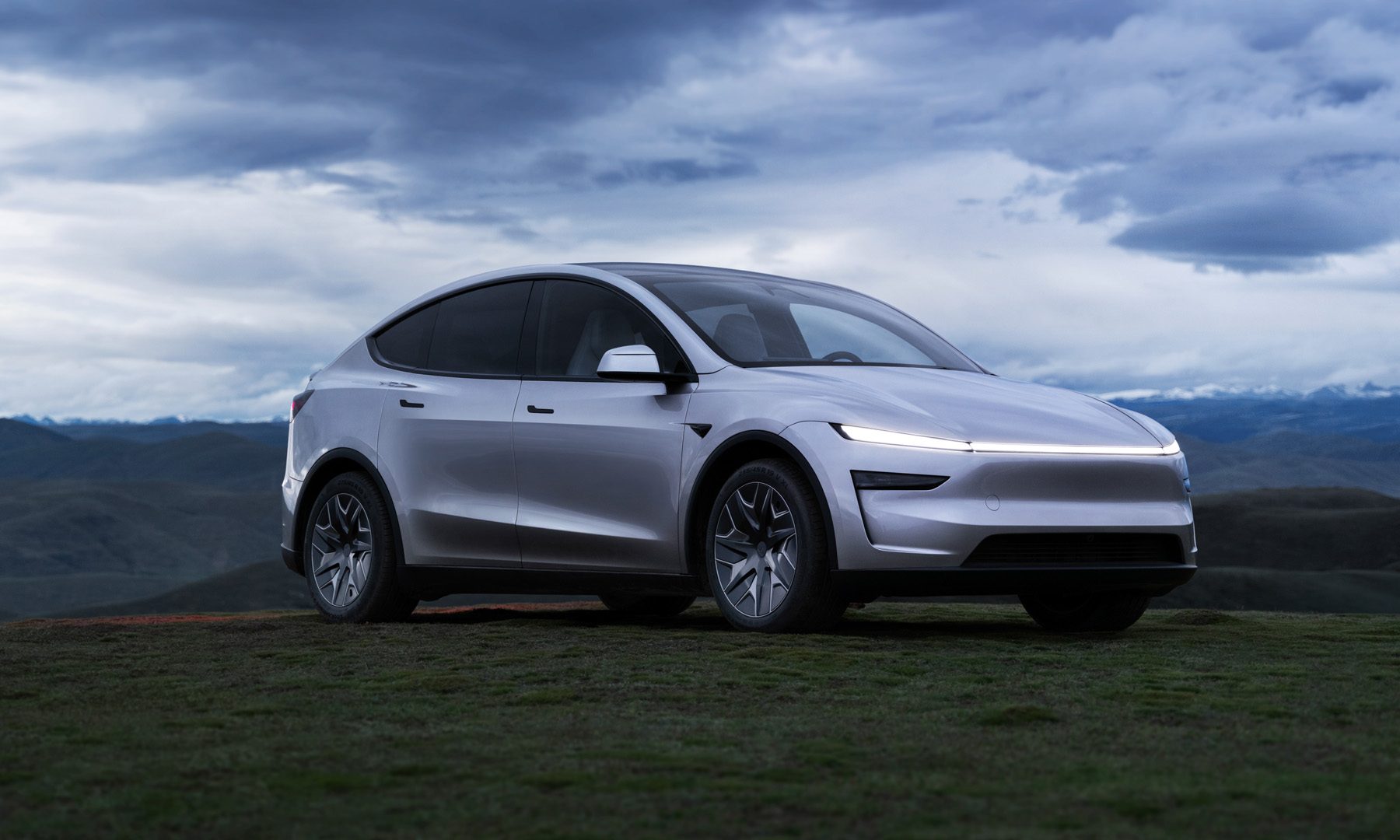
Tesla Model Y Long Wheelbase Featured

Tesla's electronic door handles have been a safety talking point for years, mostly on Reddit threads and EV forums where people debate whether sleek design is worth the tradeoff when a car is on fire and power is out. 

Now the US government has formally weighed in (via The Washington Post). The outcome, I’d say, is bigger than most people think.

Read more
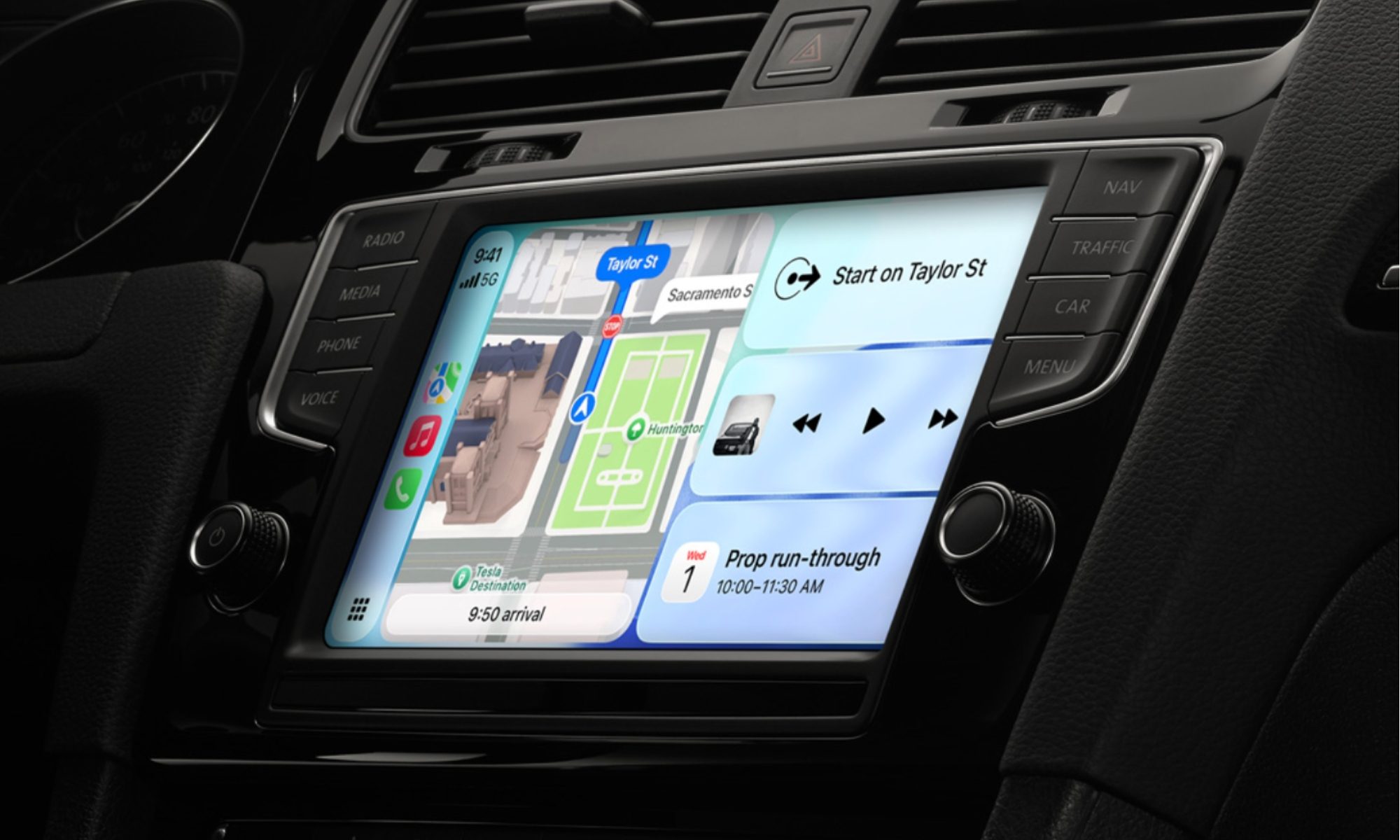
Ford’s UEV platform will feature Apple Maps built in
The integration will run through Apple's new MapKit for Automotive SDK and skip CarPlay's phone-mirroring approach.
Car, Transportation, Vehicle

Ford's upcoming budget electric vehicle won't force you to choose between a built-in map and one borrowed from your phone. Apple announced today that Ford's Universal Electric Vehicle (UEV) platform will ship with Apple Maps running natively on the car's screens. The feature will arrive in 2027 through Apple's new MapKit for Automotive SDK, a toolkit that lets automakers build Apple Maps straight into their dashboards.

An infotainment system that doesn't need your phone plugged in

Read more
WhatsApp’s new in-car experience is built around hands-free control
CarPlay and Android Auto users can now hear and reply to messages, view call history, and reach favorite contacts without touching their phone.
WhatsApp new CarPlay experience featured

Meta is overhauling how WhatsApp works in the car, giving CarPlay and Android Auto users a lot more to do than just sending texts and making calls. The company announced the change in a newsroom post today, alongside several other updates rolling out to the messaging app.

WhatsApp finally works hands-free in the car

Read more