1. Home
  2. Computing
  3. News

They come when you sleep — backdoor that operates in sleep mode opens permanent vulnerability in OSX

Add as a preferred source on Google

Remember the good old days where, worst comes to worst, you just formatted the drive and you knew it was clean, fresh and ready for an OS installation without anything else on there? Good times, but that’s all in the past now, as it turns out a new vulnerability for Apple’s OSX has been found capable of avoiding deletion during a format or OS refresh, making it one of the more resilient hacks out there.

The vulnerability, which according to its discoverer, has been around for more than a year, allows the nefarious individual behind it to take control of the machine, and even grants them the ability to flash the BIOS on the system, thereby making it possible  to re-write the system’s POST code. That means that even if you clean your HDD or SSD out entirely, it can just become re-infected the second you boot it up, as per Ars.

Recommended Videos

Related: Can Macs get viruses and malware? We ask an expert

What makes this issue so problematic is that it could be bundled with other, already-existing malware in order to make them effectively invincible to traditional software and manual cleaning methods.

The good news, however, is that Apple’s late 2014 systems all seem to have had this vulnerability fixed. Even so, Apple hasn’t done anything about those systems that were sold before that time. That could be its way of trying to keep a lid on the problem, hoping that no one would discover — and thereafter exploit — it. If so, that is some pretty hefty wishful thinking, leaving people vulnerable to persistent attacks from remote actors.

For those of you who have a pre-mid-2014 Mac and wish to protect yourselves from this security flaw, the only real advice that can be offered — until Apple releases its own fix — is to not allow your system to sleep, as that’s when it becomes vulnerable to attack via this particular exploit.

Jon Martindale
Jon Martindale covers how to guides, best-of lists, and explainers to help everyone understand the hottest new hardware and…
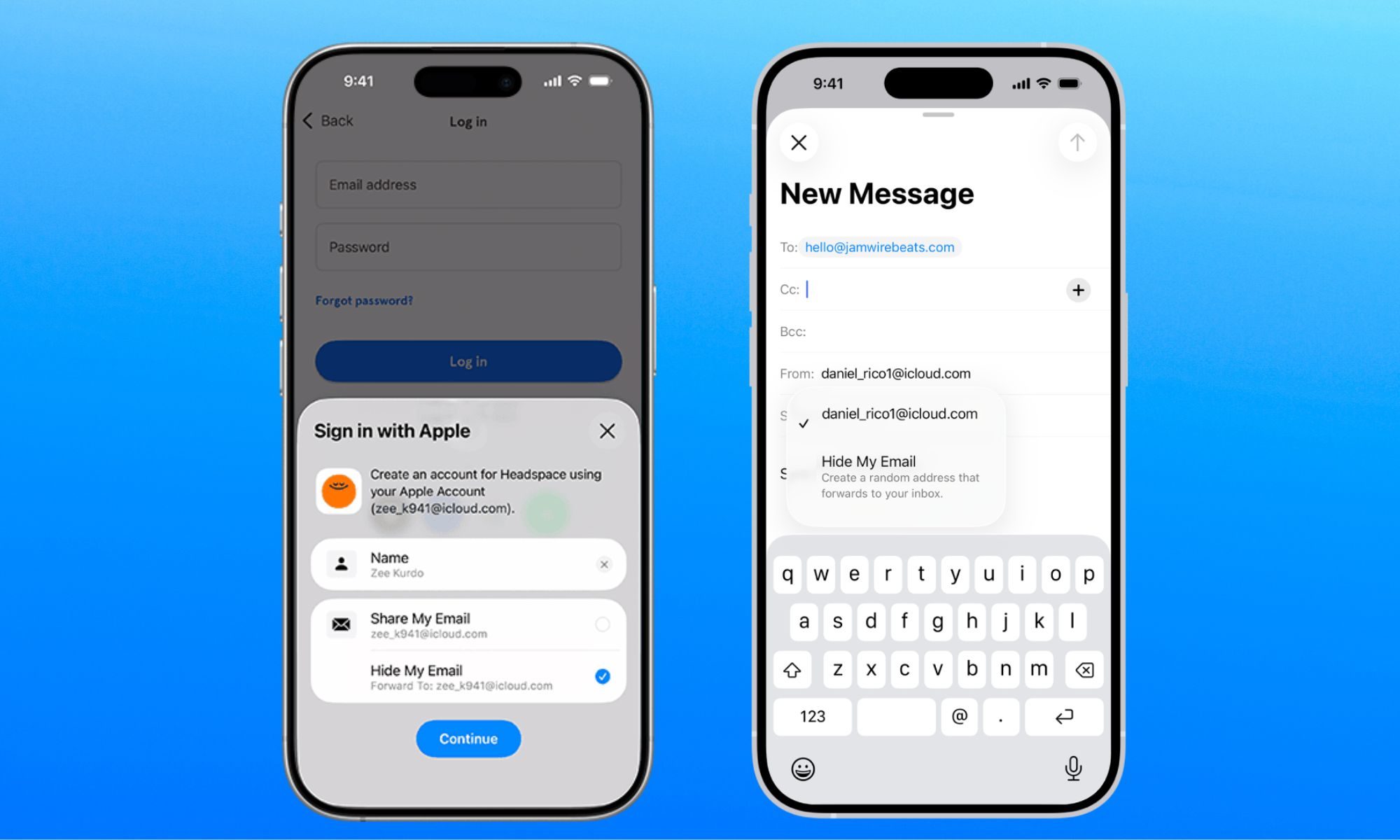
Apple fixes Hide My Email bug that exposed users’ real email addresses
Here's how Apple's Hide My Email flaw leaked real addresses for over a year, and why it only got fixed once the story went public.
apple-merging-sign-in-with-apple-hide-my-email-icloud+

Turns out the "Hide" part of Hide My Email wasn't doing its job quite as advertised, something that I covered early in July. Security researcher Tyler Murphy reported the flaw in June 2025, but despite Apple claiming it was resolved in March 2026, independent tests confirmed it remained exploitable, at least until July 3, 2026.

So how did this bug actually work?

Read more
Gemini Notebook’s new Collections arrive just as Google turns it into a bigger workspace
Google is cleaning up notebook organization as the former NotebookLM expands across Gemini and Search
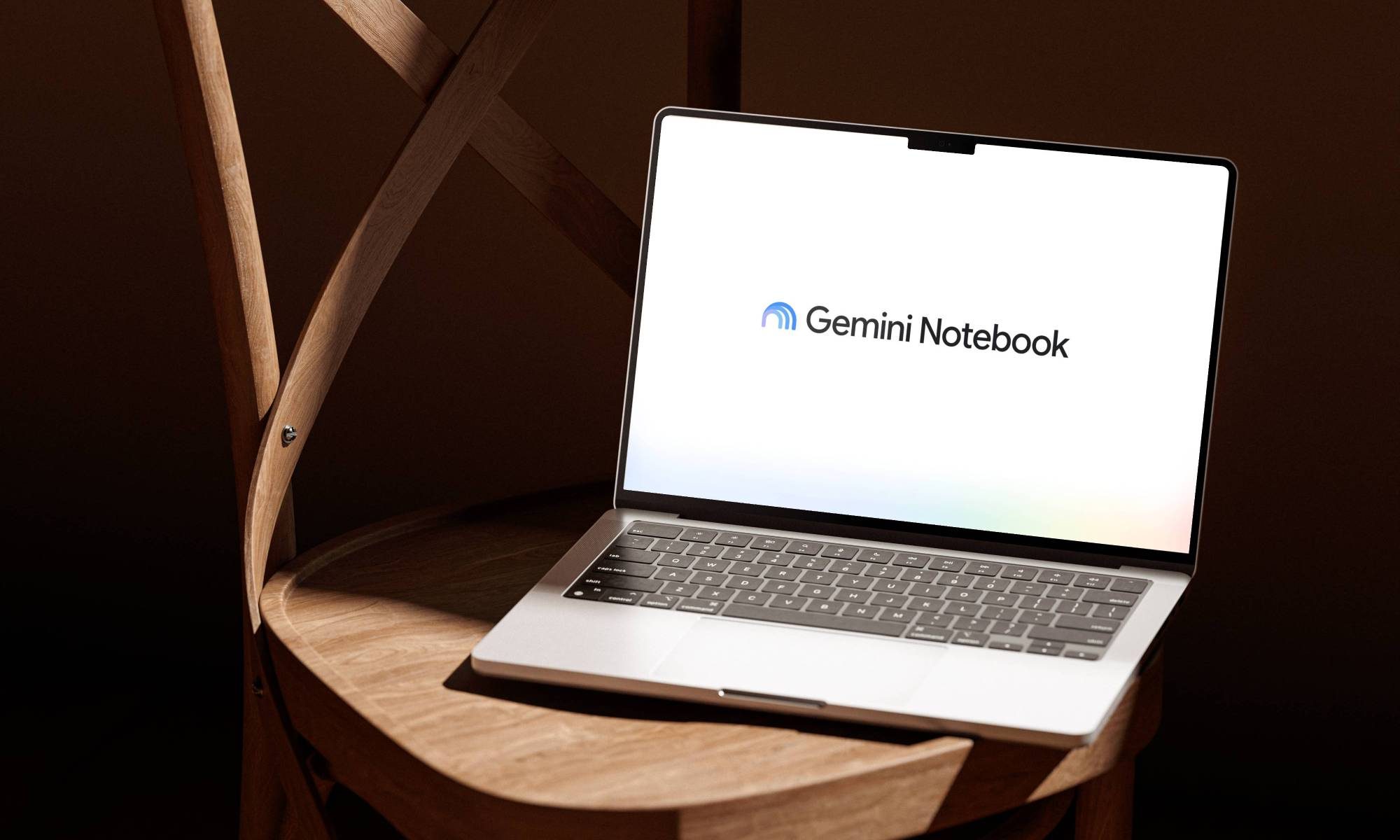
Gemini Notebook branding on a MacBook

Google has barely finished renaming NotebookLM, and it’s already addressing one of the headaches that comes with building a large research library.

Collections are rolling out to all Gemini Notebook users, giving them a way to group related notebooks while keeping everything visible under My Notebooks. The dashboard gets some structure without asking users to rearrange the library they’ve already built.

Read more
Samsung’s humanoid robot ambitions are real, but factories come first
Samsung’s new robotics division has humanoids in its sights, although its immediate business is far more practical factory automation
Robot Touch Human Finger

Samsung wants a place in the humanoid race, but its new robotics push begins with machines built for factories rather than homes.

The CEO-led RX robotics division will initially focus on manufacturing robots. Samsung has separately identified humanoids as a priority, although it hasn’t announced a commercial model or explained where one fits into the division’s immediate plans.

Read more