1. Home
  2. Emerging Tech
  3. Photo Galleries
  4. News

How a Dutch firm is going to 3D-print a bridge in Amsterdam

Add as a preferred source on Google

3D printing technology has been put to all kinds of weird and wonderful uses as it moves further towards mainstream use, and the latest ambitious project being tackled by the experts is a fully functioning bridge across one of Amsterdam’s canals.

3D printing research and development firm MX3D is in charge of the operation, getting help along the way from the likes of software developers Autodesk and construction outfit Heijmans. What makes the idea particularly interesting is that everything will be automated — 3D-printing robots will start on one bank and gradually make their way over to the opposite side, building as they go.

The bridge isn’t just showing off how far 3D printing has come, it actually has some practical value too — imagine robots being able to build their own supply lines through emergency disaster areas for example, where existing road and rail infrastructure has been disrupted for whatever reason.

MX3D to 3D print a steel bridge in Amsterdam

“What distinguishes our technology from traditional 3D printing methods is that we work according to the ‘printing outside the box’ principle,” says Tim Geurtjens, CTO at MX3D. “By printing with six-axis industrial robots, we are no longer limited to a square box in which everything happens. Printing a functional, life-size bridge is of course the ideal way to showcase the endless possibilities of this technique.”

The robots will be creating the bridge out of steel, heating up the raw material to around 2,732 degrees Fahrenheit (1,500 degrees Celsius) before welding the structure in place — the resulting bridge will be strong, sturdy, and protected against the elements. MX3D says a visitor center where people will be able to follow the progress of the robots is going to open in September, though as yet the exact location of the bridge hasn’t been confirmed.

Amsterdam seems to be the place to be as far as 3D printing innovation goes: You may remember we featured the story of a full-sized 3D-printed house under construction in the Dutch capital last year. The technology remains too cumbersome and too expensive for household use, but it’s set to become far more accessible and capable in the years to come.

Via Gizmag

David Nield
Former Contributor
Dave is a freelance journalist from Manchester in the north-west of England. He's been writing about technology since the…
Yet another study says AI is bad for elections, and the rabbit hole gets worse
AI may be an election bomb waiting for someone to light the fuse
Voters cast their ballots on Election Day

Another election, another study has concluded that asking an AI chatbot for political guidance is a spectacularly bad idea. Research conducted during Hungary’s 2026 parliamentary election found that ChatGPT and Google Gemini offered not just inaccurate but also inconsistent and unreliable voting advice. The chatbots misclassified voter profiles, overlooked relevant parties, recommended parties absent from the ballot, and sometimes produced materially different answers when given the same information repeatedly.

AI keeps failing the voter test

Read more
Samsung’s humanoid robot ambitions are real, but factories come first
Samsung’s new robotics division has humanoids in its sights, although its immediate business is far more practical factory automation
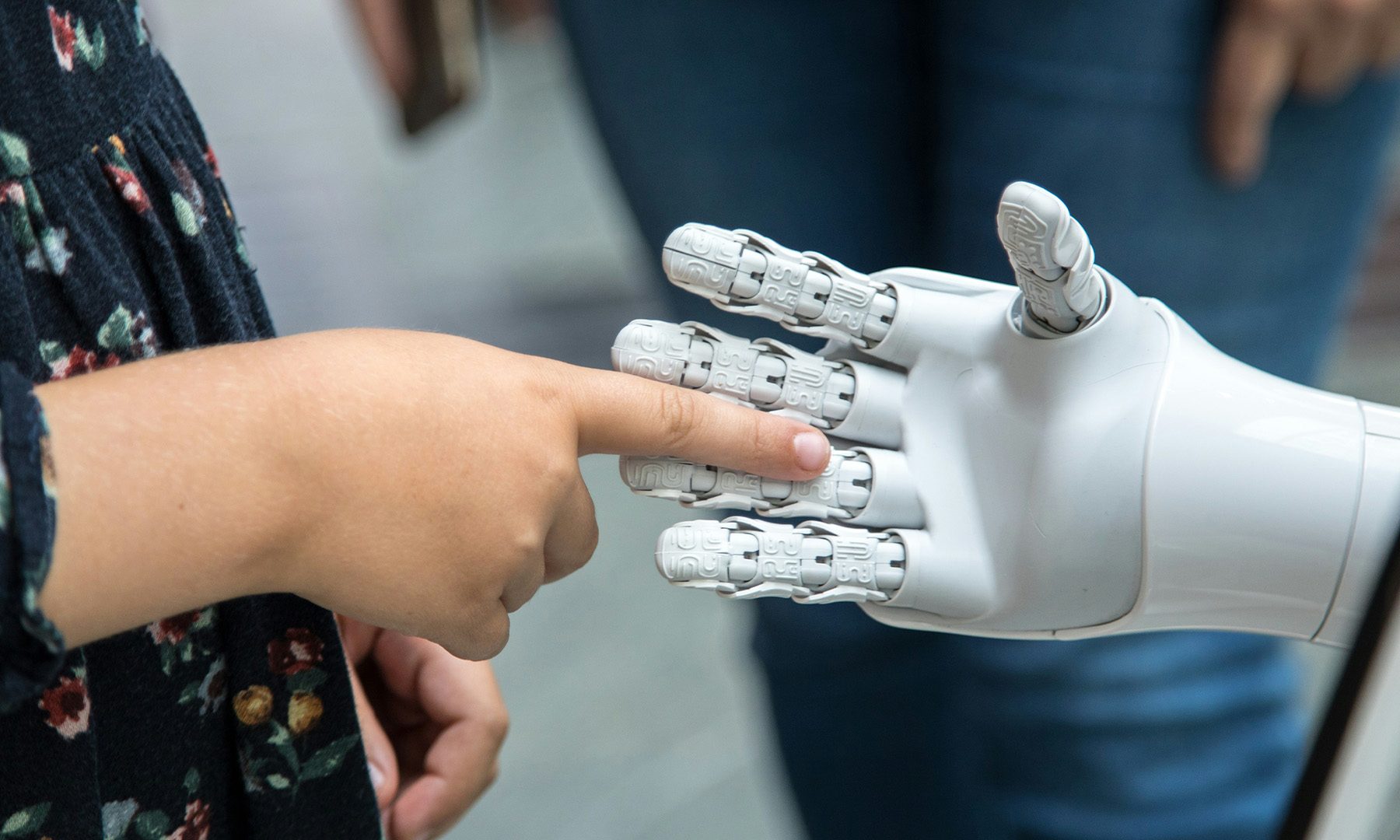
Robot Touch Human Finger

Samsung wants a place in the humanoid race, but its new robotics push begins with machines built for factories rather than homes.

The CEO-led RX robotics division will initially focus on manufacturing robots. Samsung has separately identified humanoids as a priority, although it hasn’t announced a commercial model or explained where one fits into the division’s immediate plans.

Read more
The future of AI may depend on this one behind-the-scenes change
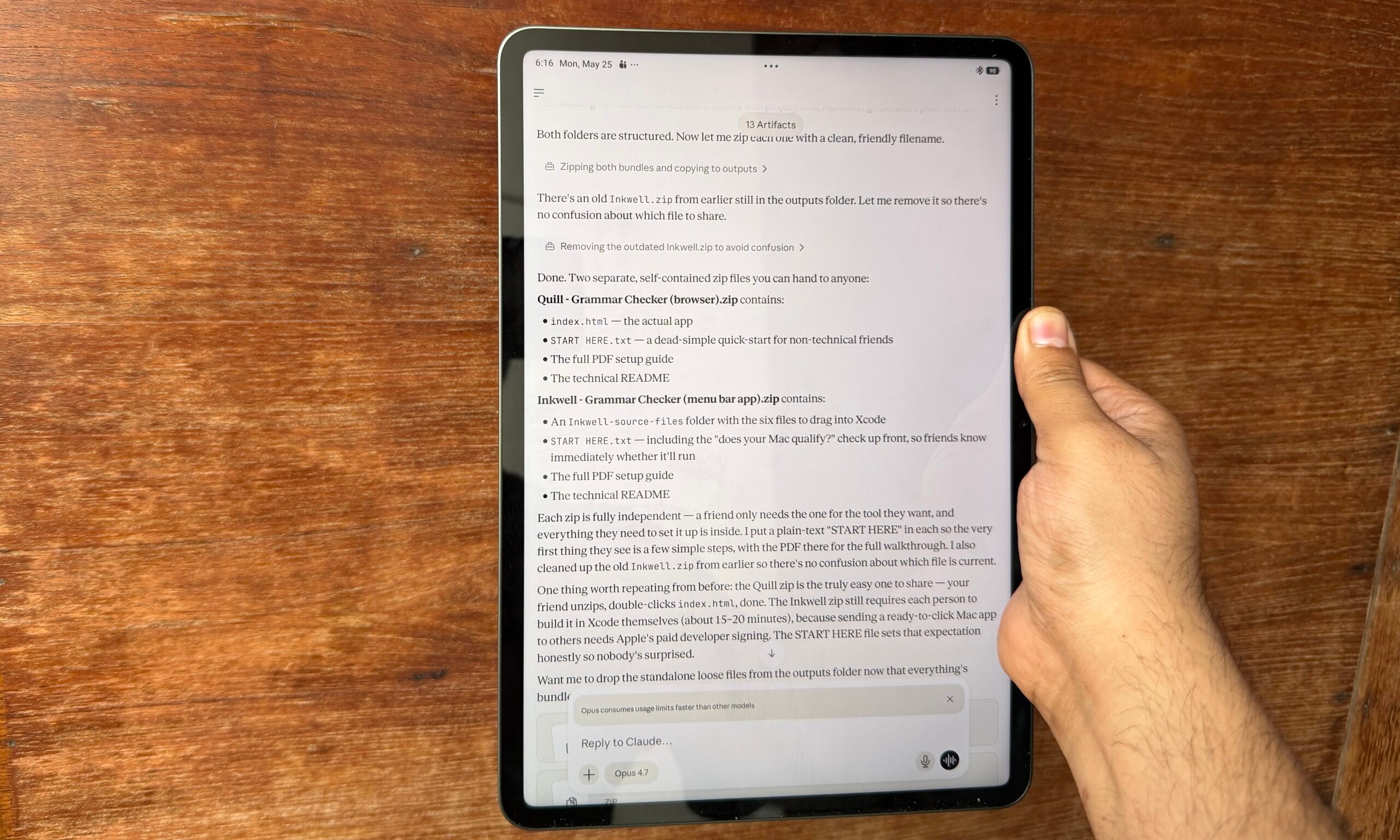
Running Claude on Android.

Whenever a new AI model arrives, it's easy to get caught up in the bells and whistles. We talk about how much smarter it is, how quickly it answers questions, or how realistic its images have become. But here's the thing: none of that matters much if the AI can't reliably work with the apps and services people use every day.

That's why an upcoming update to the Model Context Protocol (MCP) caught my attention. It isn't a new chatbot or a fancy AI model. In fact, most people will never even know it's happening. But it could quietly make the AI ecosystem a lot healthier. If you've never heard of MCP before, don't worry. Think of it as a shared language that lets AI assistants safely talk to apps like Gmail, Slack, calendars, databases, and countless other services. Instead of every company inventing its own way to make those connections, MCP gives everyone a common rulebook.

Read more