1. Home
  2. Emerging Tech
  3. Smart Home
  4. News

Like AirBnB for solar power, Yeloha lets you use other people’s rooftops for energy

Add as a preferred source on Google

Boston-based startup Yeloha has a novel idea for expanding solar power in cities — sharing. We already share apartments, cars, and bikes, so why not solar panels, too. Instead of using a central solar source like SolarPerks, Yeloha crowdsources the technology by connecting individuals together and encouraging them to share in the solar power revolution. Yeloha serves as a middleman helping people with rooftops to install solar panels and connecting these panel owners with consumers who want to utilize this sustainable energy source.

For the system to work, Yeloha relies on customers with solar panels, aka “Sun Hosts,” to provide the electricity that is shared among the Yeloha community. These Sun Hosts use the energy that is generated by their solar panels to reduce their own electric bills as well as share the supply with the community. To make it as easy as possible for Sun Hosts to join the network, Yeloha will take the lead in the solar panel installation process at no charge to the home or building owner. The company will find a local installer, apply for the required permits, and arrange for the full installation. They even will help with bill management so hosts can keep their same utility company.

Recommended Videos

Consumers who want to find a clean energy source, but don’t have a rooftop can join the Solar Sharing Network as a Sun Partner. The Sun Partner can purchase the cleaner and cheaper energy that is being produced by the solar panels on someone else’s roof. All you need is an Internet connection and a few minutes of your time to secure your solar energy source. It’s a win-win situation that brings solar energy and its cost savings to a broad range of people who would otherwise be using non-renewably generated electricity from the local utility company.

Yeloha is still in the beta stage, so its network of solar panel hosts is small, but growing rapidly as interest in the service climbs. It must be doing something right though, as the company recently received $3.5 million in funding to help it expand its network of Solar Hosts and Partners.

Kelly Hodgkins
Kelly's been writing online for ten years, working at Gizmodo, TUAW, and BGR among others. Living near the White Mountains of…
Google just canceled its AI Studio mobile app, and it’s not all bad news
Logo, Symbol, Disk

Google AI Studio was on track to make its way to Android and iPhone, giving developers and AI enthusiasts a dedicated place to build prompts and experiment with Google's latest models from their phones.

That's no longer happening. In a post shared by the official Google AI Studio account on X, Google confirmed that it's canceling the standalone AI Studio mobile app before launch. The announcement comes despite the company saying nearly 800,000 people had already pre-ordered the app across iOS and Android.

Read more
Google Earth’s AI misadventure lasted only a day. It was a tale of dangerous ignorance.
Nuclear reactors, tanks, and historical destruction on a life-like satellite map? Yeah, that's bad.
Nano Banana AI image generator representation.

Technology behemoths are clearly not reading the room, or they are just moving faster than they should when it comes to AI deployment. Google has already stuffed its Gemini AI in every corner of its software stack, from Android to daily productivity tools like Gmail that are used by hundreds of millions of users every day. AI is everywhere. Not all of it is bad, mind you. But in a few places, it just feels forced.

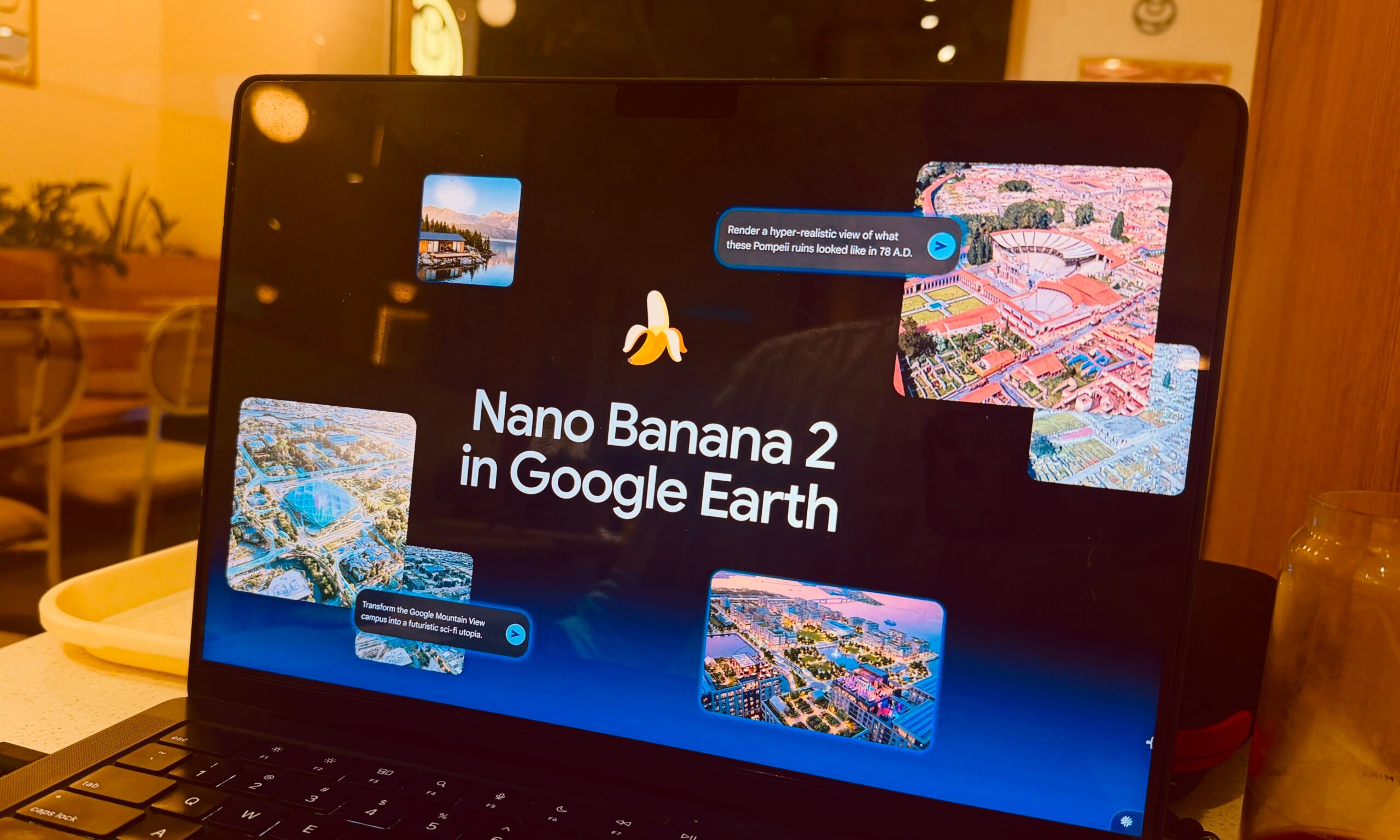
In its latest AI-fication experiment, the company targeted Google Earth. The idea was to let the audience use its Nano Banana 2 AI image generator and make images that can be placed on the map view. On paper, it's a cool idea. What would the Colosseum of Rome look like in your urban neighborhood? Yeah, fun stuff like that.

Read more
Google’s new AI gives robots better balance, smarter hands, and teamwork capabilities
Google just made robots a lot less clumsy and a lot more helpful.
Gemini robotics 2.0

Google DeepMind just brought sci-fi robots closer to reality, and it is very exciting. Building on its original Gemini Robotics model, the company has introduced Gemini Robotics 2, an AI system designed to help robots think, move, and even work together. Unlike most robots today, which rely on pre-programmed routines or someone controlling them remotely, this new system lets robots figure things out on their own when situations get unpredictable.

Can robots finally handle whole-body tasks?

Read more