1. Home
  2. Computing
  3. Gaming
  4. News

Oculus talks Touch at Connect 2, announces SDK 1.0 release

Add as a preferred source on Google

Input has long been the biggest obstacle that virtual reality faces as a medium. It’s one thing to make a virtual world appear around the user, but there are even bigger challenges associated with allowing them to interact with it in a meaningful and engaging way.

Today, Oculus made a pair of big announcements about how user input is going to be handled with regard to the Rift. The first pertains to the much-lauded Touch controllers that Oculus is showing off at the event, which will ship slightly later than the Rift itself in the second quarter of 2016.

Recommended Videos

Touch will include a separate Rift sensor, which is required for use. The hardware will be distributed to developers ahead of its consumer release, allowing some time for studios to implement controls using Touch sensors into their games and projects.

The Touch developer kit will also feature another handy tool intended to make creating VR experiences a little bit easier. The avatar hands used in the Toybox demo will be included, providing a useful shortcut for creators looking to create a truly immersive experience for the user.

In other development kit news, Oculus announced a firm release date of December for the Rift SDK 1.0. Games built with this in mind will reportedly be working from day one.

Oculus also announced Medium, a tool for artists. Using the Rift in conjunction with Touch input, it will give users the ability to sculpt with virtual clay. Medium is being demonstrated at the event, and is set to ship alongside the Touch controllers when they hit retail next year.

Amid all this talk of new tech and innovative experiences, there was also a renewed focus on a lovable hedgehog that stole plenty of hearts earlier in the year. Henry debuted as a short film earlier in the year, and a new trailer is being released today for anyone at home looking for new content to take in on their DK2.

Furthermore, everything needed to create the Henry short will be made available in Unreal Engine 4 to give creative types something to experiment with.

Brad Jones
Brad is an English-born writer currently splitting his time between Edinburgh and Pennsylvania. You can find him on Twitter…
Gemini in Chrome can now see exactly what you’re looking at on screen
Google's new "Select from screen" tool makes it easier to ask Gemini questions about text and images in a browser tab.
Google Chrome Gemini Featured

Google is making Gemini a lot more aware of what's happening inside Chrome. The company has started rolling out a new "Select from screen" feature that lets users highlight specific text or images from a webpage and send them directly to Gemini, making conversations with the AI assistant far more contextual.

Gemini can now focus on exactly what users want to ask about

Read more
Microsoft’s new Surface PCs are cheaper — but there’s a catch
Cardboard, Box, Carton

The tech industry’s favorite balancing act is getting harder by the month. Component prices are rising, memory costs refuse to settle down, and laptop makers are scrambling to keep sticker shock under control. Microsoft’s latest Surface refresh feels like a direct response to that problem.

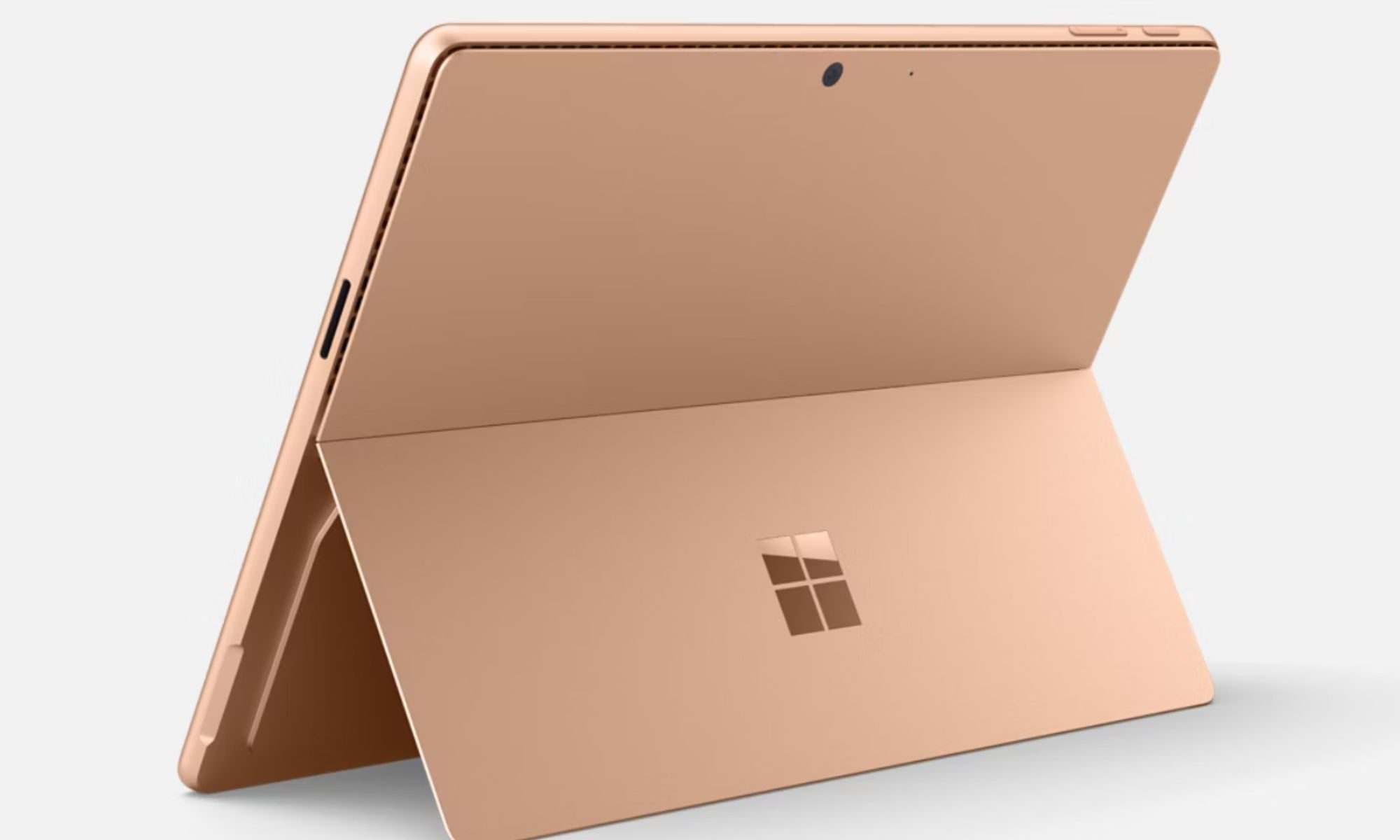
The company has introduced new entry-level versions of its 12-inch Surface Pro and 13-inch Surface laptop, offering lower starting prices without changing the processor or storage. On the surface, that sounds like good news for budget-conscious buyers. Dig a little deeper, however, and you’ll find a compromise hiding in plain sight.

Read more
A new supercomputer has dethroned the U.S — here’s why it matters
Crowd, Person, Architecture

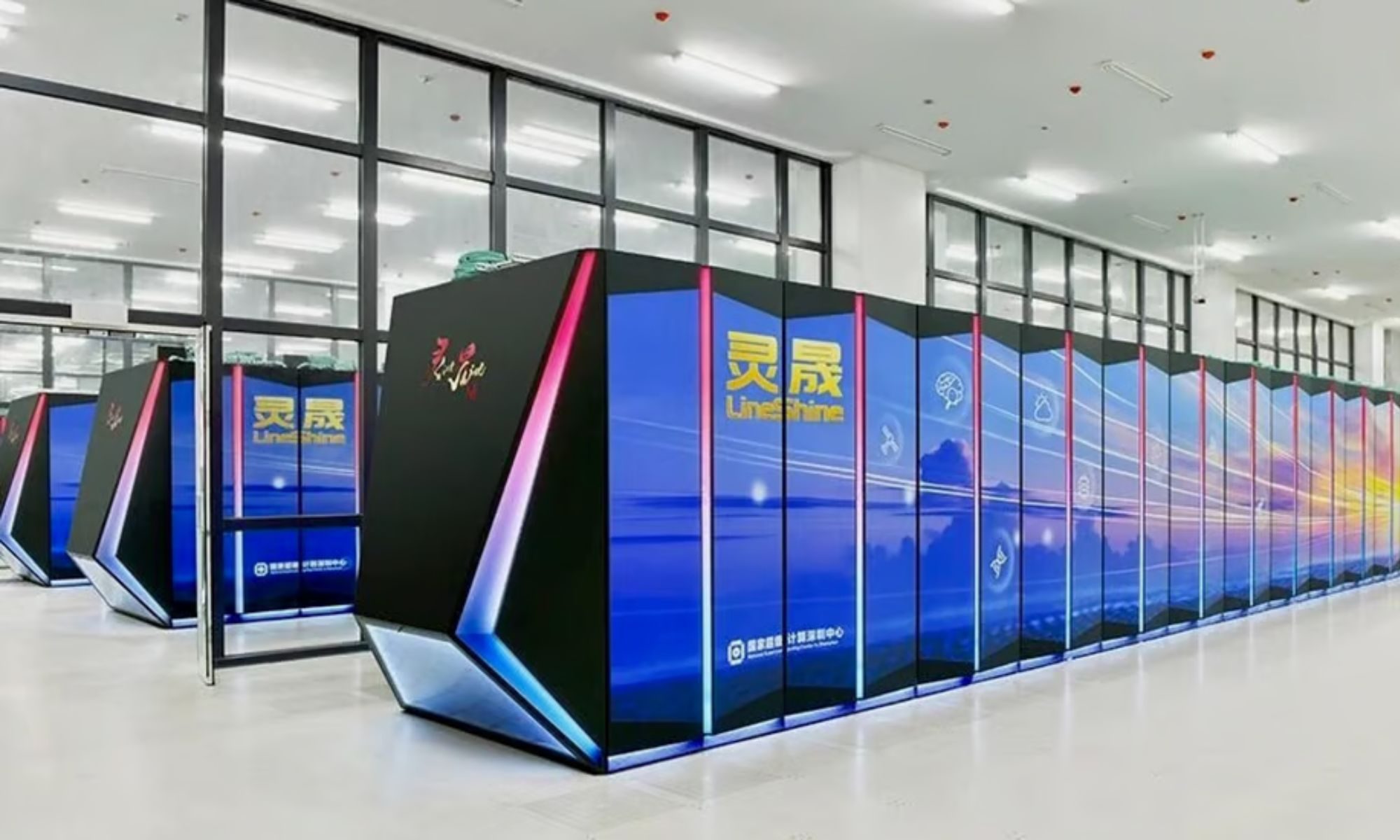
The race to build the world’s fastest supercomputer has been dominated by the United States. Now, China has stormed back into the lead. A newly ranked system called LineShine has claimed the No. 1 position on the latest Top500 list, a closely watched ranking of the planet’s most powerful supercomputers. The machine, located in Shenzhen, pushed past the U.S. government’s El Capitan system and became the first Chinese computer to top the list since 2017. That’s notable on its own. But what makes LineShine particularly interesting is how it got there.

The tortoise just outran the rocket

Read more