1. Home
  2. Emerging Tech
  3. Web
  4. News

Russia is installing Wi-Fi in its cemeteries

Add as a preferred source on Google

The deceased may have no use for Wi-Fi (yet), but their living visitors certainly do. Maybe that was the justification Russian officials used when they decided to install free Wi-Fi in three of the country’s most prominent and often-visited cemeteries. At some point during the first half of 2016, those paying their respects at Novodevichy, Troyekurovskoye and Vagankovo cemeteries won’t have to worry about shoddy cellphone service anymore — they’ll have free Wi-Fi so that they can Instagram tasteful pictures of their family members and friends, who may be present physically or spiritually.

Branded as “zones of psychological comfort,” these hotspots will be available in “rest areas” at what appears to be the request of Russian cemetery goers. “In a survey carried out by us in the summer, respondents complained about the lack of internet at the cemetery,” Yevgeny Abramov, head of telecommunications company YS System told the Klerk.ru website. “While we were thinking about how to implement this project with the greatest possible sensitivity and respect for the departed, an answer popped up by itself.”

Recommended Videos

Russian officials note that the prominence of many of the cemeteries’ inhabitants (author Anton Chekhov, Soviet leader Nikita Khrushchev, and former Russian President Boris Yeltsin are all buried at Novodevichy) may prompt curiosity in tourists and locals alike. “These cemeteries are like open air museums,” Lilya Lvovskaya, a spokeswoman from city-run funeral service Ritual, which runs Moscow’s graveyards, told AFP. “People often come and find themselves standing in front of a grave and want to know more about the person lying there.”

Sure, it may sound a bit like morbid curiosity, but you gotta give the people what they want.

If the introduction of Wi-Fi proves particularly popular, officials say they will consider expanding these services to the remaining 133 cemeteries located across Russia’s capital. Novodevichy and Vagankovo cemeteries have already embraced technology, and installed GPS systems designed to help visitors find famous graves.

And if that’s not a sign of the times, we don’t know what is.

Lulu Chang
Fascinated by the effects of technology on human interaction, Lulu believes that if her parents can use your new app…
Yet another study says AI is bad for elections, and the rabbit hole gets worse
AI may be an election bomb waiting for someone to light the fuse
Voters cast their ballots on Election Day

Another election, another study has concluded that asking an AI chatbot for political guidance is a spectacularly bad idea. Research conducted during Hungary’s 2026 parliamentary election found that ChatGPT and Google Gemini offered not just inaccurate but also inconsistent and unreliable voting advice. The chatbots misclassified voter profiles, overlooked relevant parties, recommended parties absent from the ballot, and sometimes produced materially different answers when given the same information repeatedly.

AI keeps failing the voter test

Read more
Samsung’s humanoid robot ambitions are real, but factories come first
Samsung’s new robotics division has humanoids in its sights, although its immediate business is far more practical factory automation
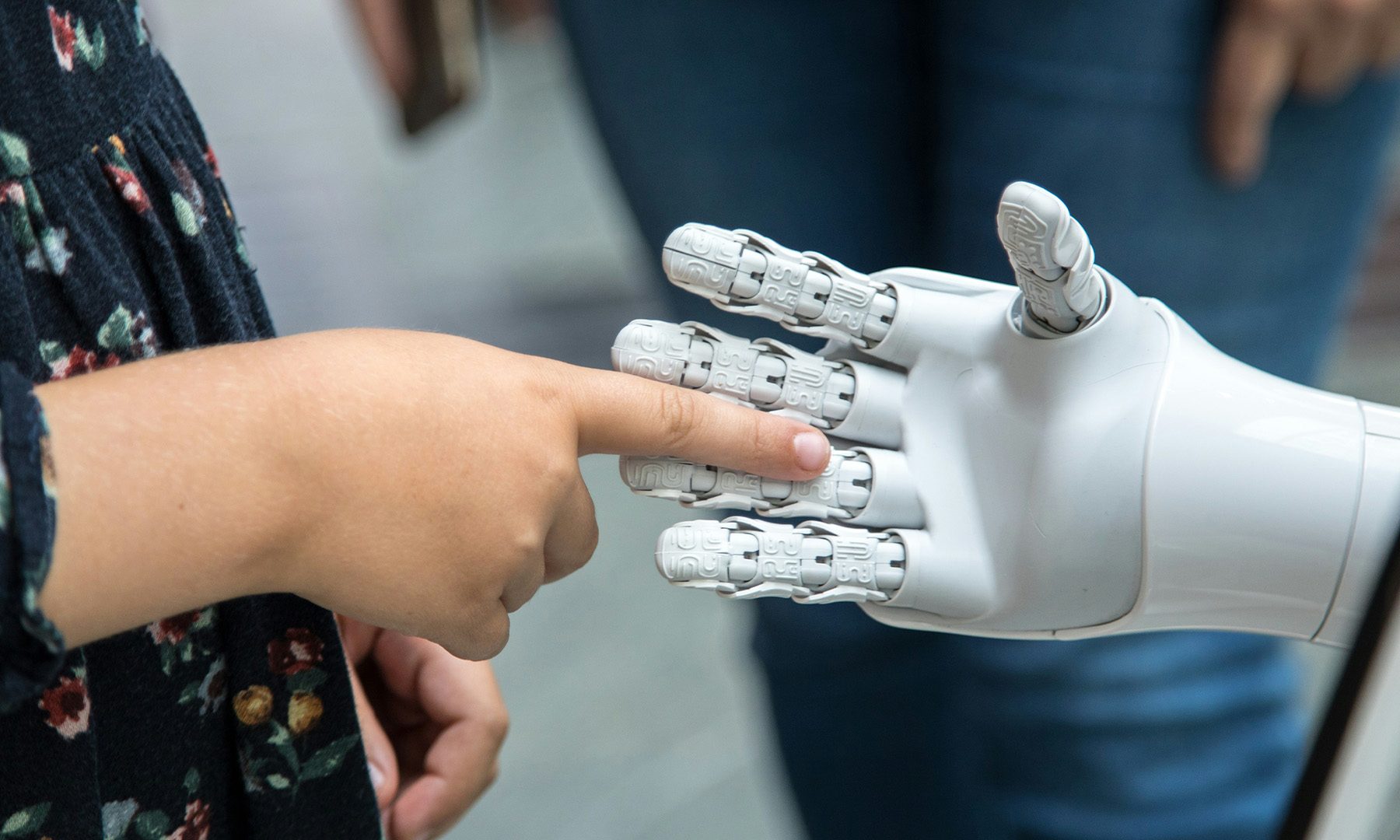
Robot Touch Human Finger

Samsung wants a place in the humanoid race, but its new robotics push begins with machines built for factories rather than homes.

The CEO-led RX robotics division will initially focus on manufacturing robots. Samsung has separately identified humanoids as a priority, although it hasn’t announced a commercial model or explained where one fits into the division’s immediate plans.

Read more
The future of AI may depend on this one behind-the-scenes change
Running Claude on Android.

Whenever a new AI model arrives, it's easy to get caught up in the bells and whistles. We talk about how much smarter it is, how quickly it answers questions, or how realistic its images have become. But here's the thing: none of that matters much if the AI can't reliably work with the apps and services people use every day.

That's why an upcoming update to the Model Context Protocol (MCP) caught my attention. It isn't a new chatbot or a fancy AI model. In fact, most people will never even know it's happening. But it could quietly make the AI ecosystem a lot healthier. If you've never heard of MCP before, don't worry. Think of it as a shared language that lets AI assistants safely talk to apps like Gmail, Slack, calendars, databases, and countless other services. Instead of every company inventing its own way to make those connections, MCP gives everyone a common rulebook.

Read more