The transportation industry is getting a bit crowded, and the space is about to get a whole lot tighter still. Tech talk this year has been dominated by the discussion of autonomous vehicles, and now, Google is taking its own related technology one step further. According to a report from Bloomberg, the newly branded Alphabet plans to spin off its self-driving car unit into a separate business that will go head-to-head with companies like Uber, Lyft, and Gett, offering ride for hire services. Because who doesn’t want to get into a driverless cab that you don’t have to tip?
Beginning in 2016, driverless cars will become a standalone division within Google, sources tell Bloomberg, and with more than one million miles logged on highways in Austin, San Francisco, and other cities, the technology seems more than ready to take on a new challenge. The prospective fleet will likely be comprised of a combination of large and small cars, much like other ride-for-hire and taxi services. And while this may be alarming news for other companies in the space, experts like Thilo Koslowski, vice president and automotive practice leader at Gartner Inc, believe this could be great news all around.
“These potential ride-for-hire services could allow consumers to experience the technology and embrace it in a bigger way,” he said. “That would help not just Google but the entire industry.” Uber is already toying with autonomous technology of its own, and with other countries looking to expand their self-driving vehicle capabilities (China is looking to put self-driving buses on the roads within five years), some healthy competition seems like an ideal catalyst for further innovation.
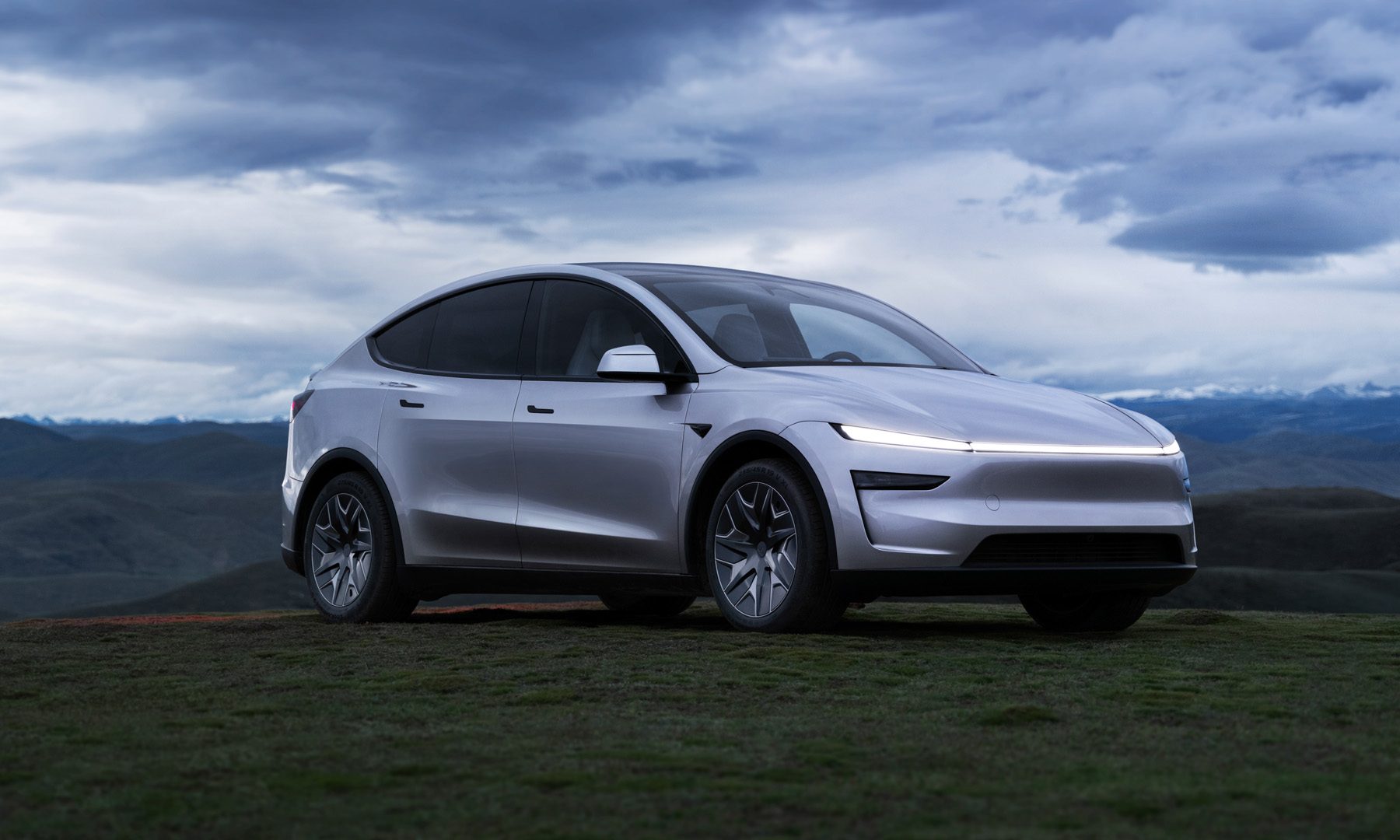
Of course, taxi services aside, it looks like self-driving technology is becoming more and more of a mainstay within the automotive industry as a whole. Ford recently announced that it would begin testing self-driving Fusion hybrid sedans, and both Tesla and General Motors are implementing technology that will allow the driver to sit back and relax on “well-tended highways.”
The future may soon be upon us, and it looks a whole lot like auto-pilot.