1. Home
  2. Emerging Tech
  3. Health & Fitness
  4. News

Watch this guy easily lift a Mini Cooper with his homemade robotic exoskeleton

Add as a preferred source on Google

YouTuber and self-described “hacker for hire,” James Hobson, has built the next-step in his quest for a fully functioning exoskeleton: powered legs. His homebuilt piston-supported appendages were able to lift up the rear of a Mini-Cooper, which weighs more than 2,000lbs in total.

This is just the latest development in Hobson’s dream to recreate the early days of Tony Stark’s Iron Man suit. He’s previously developed an upper body curling suit, which allowed him to bicep curl as much as 270 pounds, which is far in excess of what most humans are capable of without help.

Recommended Videos

The problem with that design, though, is that it was all attached to his upper body. Hobson’s actual skeleton still had to handle all that weight, which was fine for the relatively modest curl bar, but inadequate when he graduated from freeweights to lifting a small car. If he was going to progress, he needed a new design — and thus, his piston driven robotic legs were born.

These piston powered appendages are capable of lifting 800 pounds each, but as Hobson points out, they’re quite inelegant. What’s impressive about the build though is its use of locking joints to develop force and allow it to be maintained. Once in position, the skeleton can take hundreds of pounds of weight, without transferring any of it to the user (as per Hackaday).

This is really important, because as it stands, exoskeletons are held back by battery technology that limits their long-term use. What Hobson’s design could potentially lead to is a new generation of unpowered exoskeletons that not only provide support, but also on-demand strength for the user. It could let workers rest in strange positions without strain, or make carrying large objects easy once the initial lift was complete.

Theoretically, Hobson believes a system of gears and leverage could allow for augmented strength without a huge power pack. Currently though, his design is only possible because of the monstrous strength of those pistons. They’re entirely modular though, which suggests a future full exoskeleton design could be surprisingly versatile.


Jon Martindale
Jon Martindale covers how to guides, best-of lists, and explainers to help everyone understand the hottest new hardware and…
Yet another study says AI is bad for elections, and the rabbit hole gets worse
AI may be an election bomb waiting for someone to light the fuse
Voters cast their ballots on Election Day

Another election, another study has concluded that asking an AI chatbot for political guidance is a spectacularly bad idea. Research conducted during Hungary’s 2026 parliamentary election found that ChatGPT and Google Gemini offered not just inaccurate but also inconsistent and unreliable voting advice. The chatbots misclassified voter profiles, overlooked relevant parties, recommended parties absent from the ballot, and sometimes produced materially different answers when given the same information repeatedly.

AI keeps failing the voter test

Read more
Samsung’s humanoid robot ambitions are real, but factories come first
Samsung’s new robotics division has humanoids in its sights, although its immediate business is far more practical factory automation
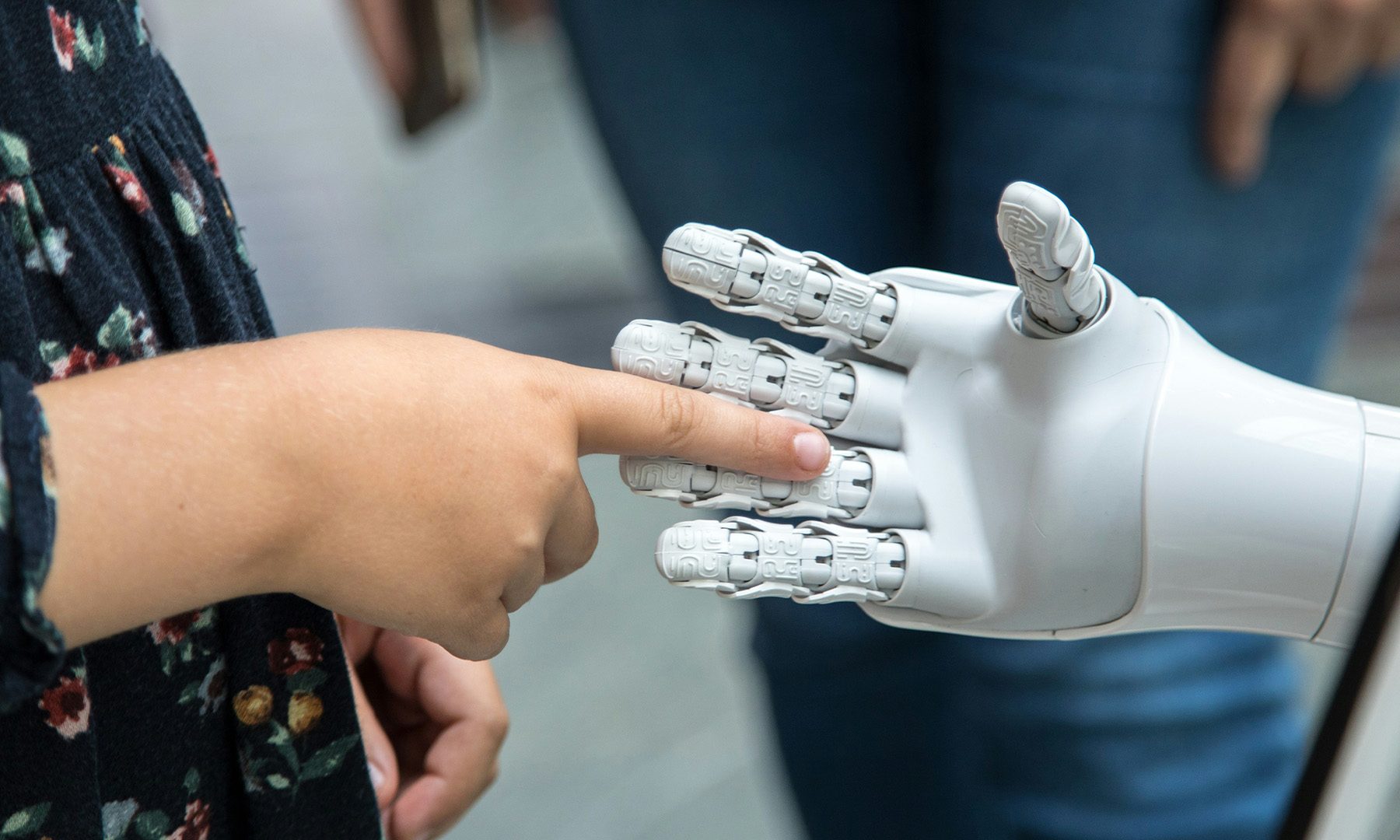
Robot Touch Human Finger

Samsung wants a place in the humanoid race, but its new robotics push begins with machines built for factories rather than homes.

The CEO-led RX robotics division will initially focus on manufacturing robots. Samsung has separately identified humanoids as a priority, although it hasn’t announced a commercial model or explained where one fits into the division’s immediate plans.

Read more
The future of AI may depend on this one behind-the-scenes change
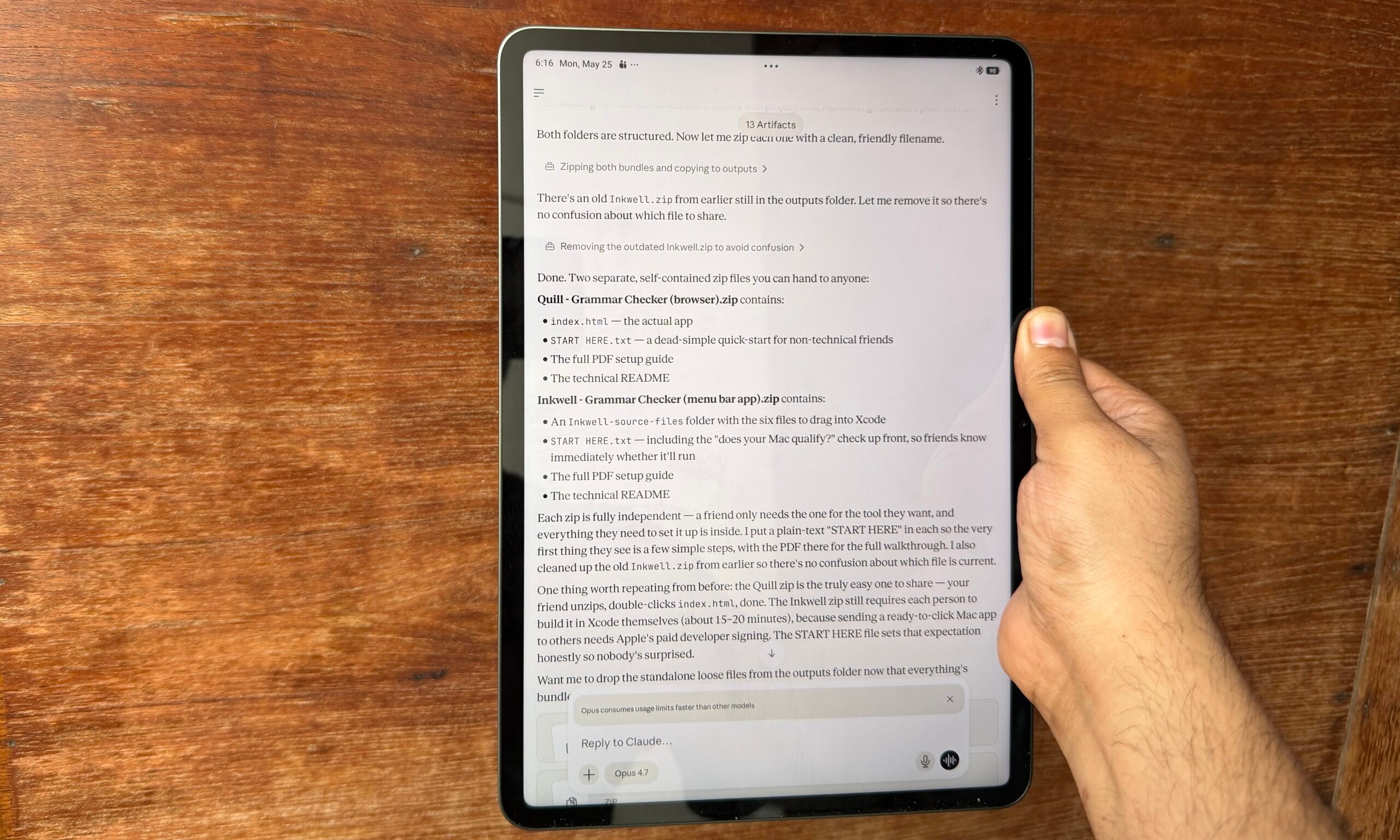
Running Claude on Android.

Whenever a new AI model arrives, it's easy to get caught up in the bells and whistles. We talk about how much smarter it is, how quickly it answers questions, or how realistic its images have become. But here's the thing: none of that matters much if the AI can't reliably work with the apps and services people use every day.

That's why an upcoming update to the Model Context Protocol (MCP) caught my attention. It isn't a new chatbot or a fancy AI model. In fact, most people will never even know it's happening. But it could quietly make the AI ecosystem a lot healthier. If you've never heard of MCP before, don't worry. Think of it as a shared language that lets AI assistants safely talk to apps like Gmail, Slack, calendars, databases, and countless other services. Instead of every company inventing its own way to make those connections, MCP gives everyone a common rulebook.

Read more